Phalaborwa accommodation and planning a stay: where to stay, what to do, and practical tips
Phalaborwa in Limpopo offers a gateway experience for travellers exploring northern South Africa and the Kruger region. The town is known for its hospitality options, from guest houses and lodges to mid-range hotels, all designed to help visitors enjoy a relaxed break amid savannah landscapes, riverine scenery and easy access to natural attractions. When choosing where to stay, consider the area’s proximity to key sights, the type of experience you want (private retreat versus social hub), and the amenities that will help you feel comfortable after a day of exploring.
Areas to consider for your stay include central Phalaborwa, where most guest houses and lodges cluster close to shops, eateries, and transport links. A stay closer to the Palala River and surrounding parks can offer a quieter, more nature-focused atmosphere with opportunities for early-morning bush walks, birdwatching, and sunset wildlife viewing. If you plan day trips into the Kruger National Park or around the Levhuvhu/Goewern dam areas, choosing a base with easy road access and reliable on-site parking can simplify your itinerary.
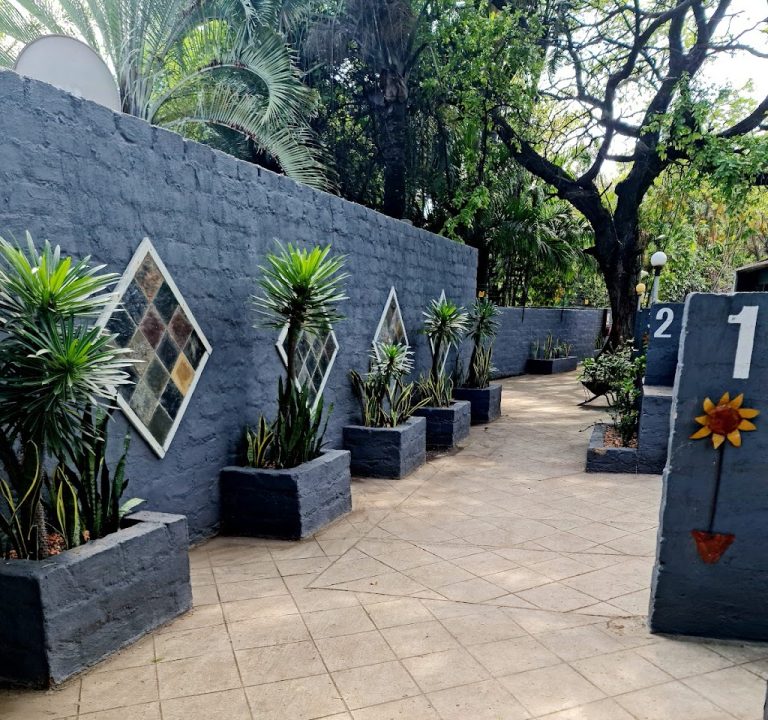
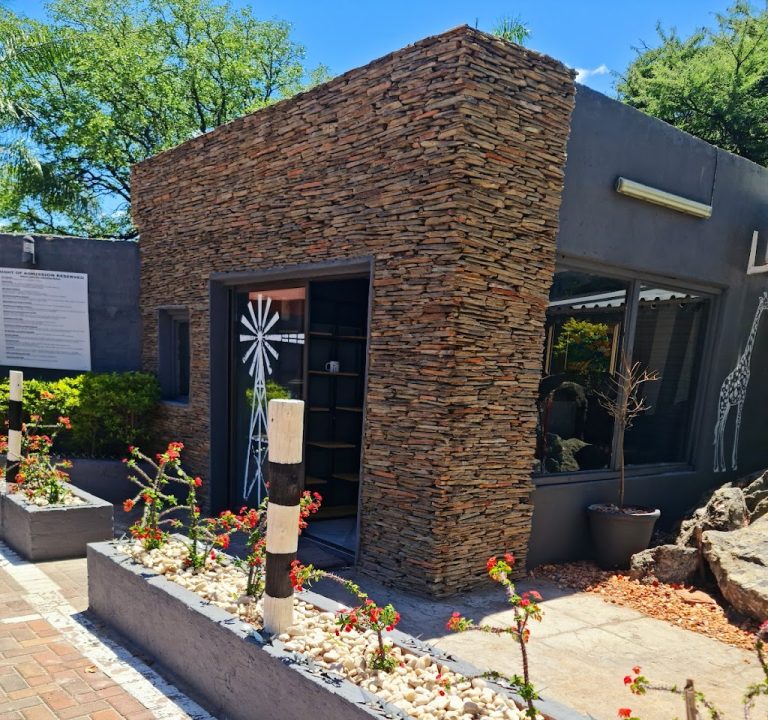
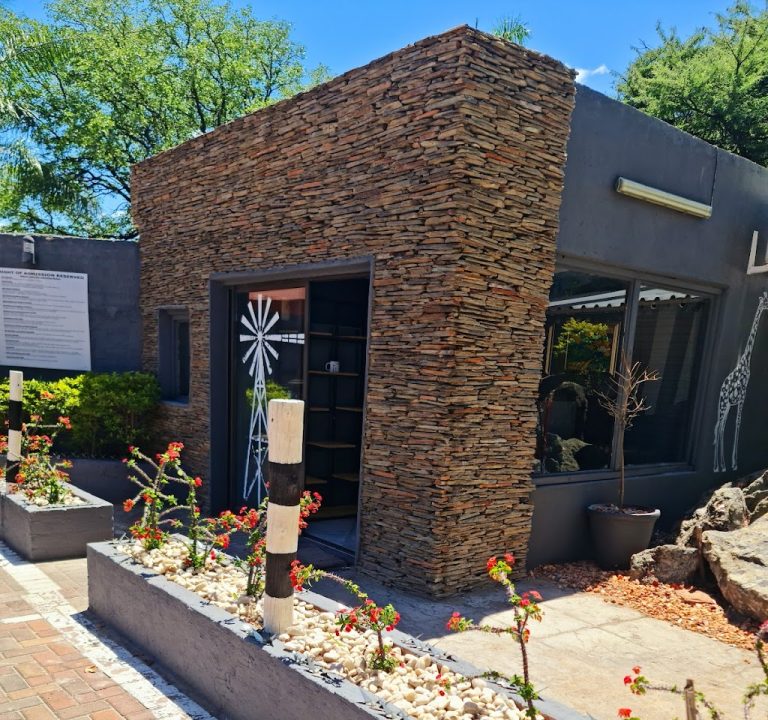
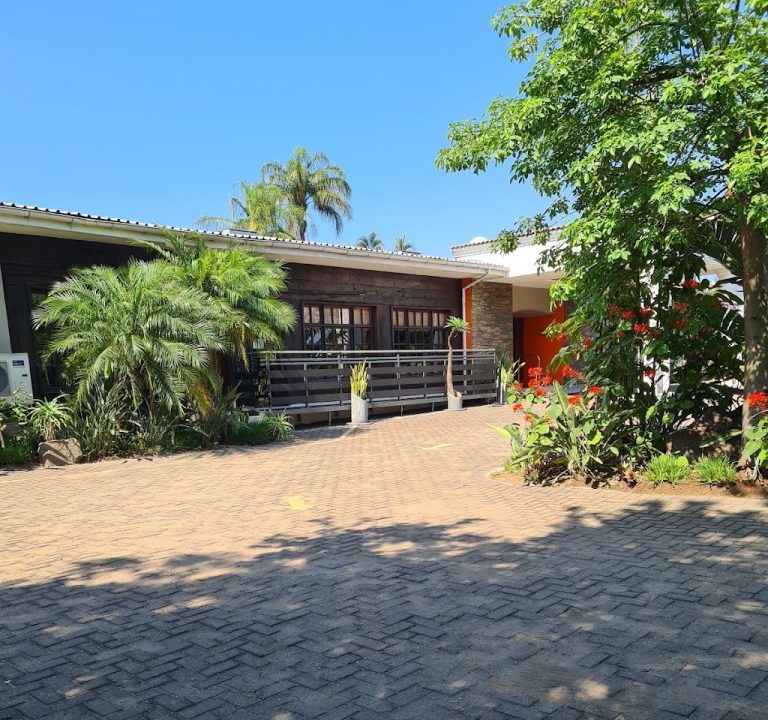
Typical amenities to look for include air conditioning or fans (important in warmer months), reliable wifi, secure parking, and en-suite bathrooms. Some properties offer breakfast inclusions or continental spreads, which can save time in the morning before full-day excursions. If you value outdoor space, consider guest houses or lodges with verandas or outdoor seating, where you can unwind after a day of game viewing. For families or groups, larger rooms or family suites, flexible dining options, and on-site leisure facilities (such as a pool or communal lounges) can enhance comfort and convenience.
Transport in and around Phalaborwa is straightforward for travellers with their own vehicle, as road connections to the R71 and surrounding towns are well established. If you fly in, you may arrive at a regional airstrip or the nearest domestic airport, with car hire readily available at most destinations. Town-centre properties often offer easy access to local conveniences, while more secluded lodges may provide transport to and from gate areas for park-based excursions. If you plan self-drive safaris, ensure your accommodation provides secure parking and clear directions for late arrivals.
The best time to visit Phalaborwa aligns with the broader Limpopo calendar. The dry season, typically from May to September, tends to offer cooler days and clearer wildlife sightings, making it popular for game drives and outdoor activities. The wet season brings lush vegetation and vibrant birdlife, along with higher humidity and occasional thunderstorms. Be mindful of malaria considerations in certain areas during the wetter months; if you plan bush experiences, consult your accommodation about necessary precautions and prophylaxis in line with current health guidance.
Practical planning tips to help you maximise your stay:
- Book in advance for popular periods, especially if you want a specific property type or location near parks or rivers.
- Check whether breakfast is included and if there are options for flexible dining during early mornings for early safari departures.
- Confirm parking arrangements and access times, particularly if you expect late arrivals after game drives.
- Ask about on-site or nearby dining options, as some guest houses partner with local eateries or provide self-catering facilities.
- Inquire about safety features, such as secure parking, room safes, and well-lit surroundings.
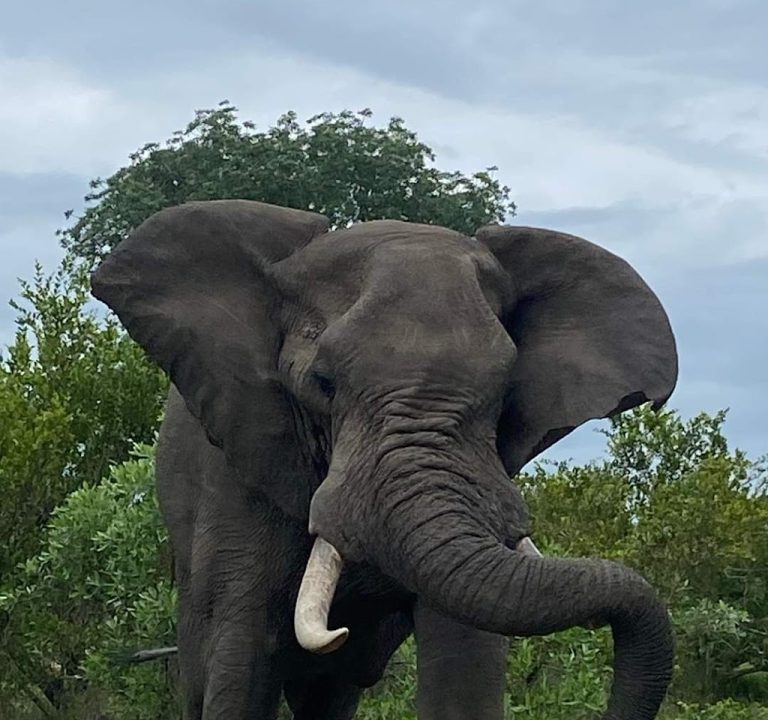
When it comes to attractions and experiences, Phalaborwa acts as a practical base rather than a single-location focus. Most visitors use the town as a starting point for safaris into Kruger National Park, where guided game drives and self-drive routes offer wildlife viewing from early morning to late afternoon. The surrounding region also features river landscapes and natural reserves that are excellent for day trips, hiking, and scenic viewpoints. Dining in Phalaborwa tends to be informal and family-friendly, with a mix of bistro-style eateries, grill houses, and cafés suitable for relaxed meals after a day outdoors. For those seeking culture and tradition, ask your accommodation about nearby communities or market stalls where you can learn about local crafts and flavours in a respectful, sustainable way.
Planning a stay around Phalaborwa’s practicalities helps you balance creature comforts with outdoor adventures. Look for guest houses or lodges that transparently describe their room configurations, dining options, and any guided activity services they offer. If you are curious about exploring wider Limpopo, you can pair your trip with a short visit to nearby natural or historical highlights, keeping your itinerary flexible to account for weather and wildlife activity.
Useful resources and pointers for planning include official tourism sites and travel guides that provide broad information on the region’s climate, accessibility, and outdoor opportunities. For inspiration on wildlife experiences and regional travel planning, you may wish to consult general travel sites and the Kruger-area information pages. When selecting a place to stay, prioritise properties that are clear about their location, available amenities, and the practicalities of getting around. Your Phalaborwa base should feel convenient, welcoming, and aligned with the pace of a memorable South African safari-style escape.