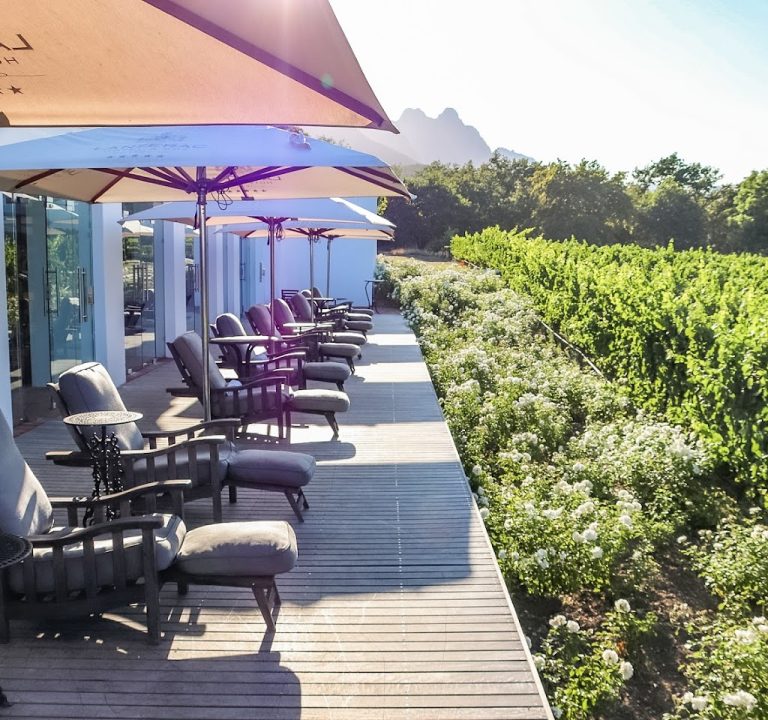
Exploring Stellenbosch: where to stay, what to do, and practical planning tips
Stellenbosch, in the Western Cape of South Africa, is renowned for its leafy streets, historic architecture and world-class wine estates. A stay here can be as relaxed or as active as you wish, with a range of accommodation options from boutique guest houses to comfortable lodges set in vineyard landscapes. Planning ahead helps you maximise your visit, especially if you aim to explore both the town centre and the surrounding winelands.
When choosing a place to stay, consider the area that best suits your plans. The town centre is convenient for strolls along hansom streets, easy access to restaurants and galleries, and a quick hop to the historic university campus. If you prefer a serene rural ambience, look for guest houses or small boutique hotels perched on hillside or vineyard estates just outside the centre. For a family-friendly choice or a longer break, some properties offer self-catering facilities or larger suites with private terraces. A stay at a guest house such as Topas Estate can provide a cosy, personalised experience that blends country tranquillity with easy access to town.
Key things to look for when booking include reliability and character. Read recent guest reviews to gauge consistency in service, housekeeping, and breakfast options. Check whether the property offers free parking, good transport links to the town and surrounding attractions, and whether meals are included or available on request. It’s also worth confirming the room layout and amenities you need, such as en-suite bathrooms, air conditioning, a quiet workspace, or a private outdoor area. A thoughtful property will clearly describe its position on the estate or in the village and provide practical details about access, security and cleaning protocols.
Typical amenities you may encounter include generous breakfast service (often with options for lighter bites or continental varieties), complimentary Wi‑Fi, off-street parking, and secure access. Some guest houses in Stellenbosch offer small libraries, cosy lounges, or shaded outdoor spaces for enjoying a glass of local wine after a day of exploring. If you’re visiting during harvest season or peak travel months, book early to secure preferred room types and dining times. A longer stay can sometimes be more economical, with discounts available for midweek or longer breaks.
Transport around Stellenbosch is straightforward but can influence your itinerary. Within the town, a lot of attractions are walkable from the centre, including historic buildings, boutiques and cafés. For broader exploration—such as tastings at several wine estates or visits to nearby towns—having access to a car is convenient. Alternatives include organised wine tours or rideshares, but planning your day to avoid peak traffic around the university and popular wine routes helps you maximise time. If you’ll rely on public transport, check the schedule in advance and ask your accommodation for the most reliable local options.
Best time to visit Stellenbosch depends on what you want from your trip. Spring and autumn offer mild weather and more comfortable exploring conditions, with a vibrant atmosphere as students return or settle into term. Summer brings longer days and excellent light for photographs of the town’s red-tile roofs and tree-lined streets, though it can be busier. Winter is quieter, with a chance to enjoy cosy dining rooms and wine tastings by the fire. Consider the seasonal nature of certain activities—flower displays, market days, and specific wine events can shape your plan and accommodation booking needs.
Top experiences fall into several broad categories. For food and drink, Stellenbosch is a gateway to South Africa’s celebrated wine routes, with many estates offering guided tastings, cellar tours and seasonal dining experiences. In town, you’ll find charming cafés and restaurants that showcase regional produce, often pairing menus with local wines. Arts and culture are visible in the architecture, galleries and museums around the central square and university area. Outdoor enthusiasts can enjoy scenic walks, nature reserves, and easy access to nearby hills and viewpoints. For families or longer stays, a mix of day trips to surrounding towns, a winery day with a picnic and a gentle river walk can create a balanced itinerary.
Practical tips to help you plan a smooth stay:
- Book accommodation with flexibility, especially for travel during peak seasons or during harvest events when availability can be limited.
- Check in advance what is included in breakfast and whether there are options for dietary needs. If you plan to sample local wines, confirm if the property can arrange transport or trusted tours.
- Ask about parking arrangements and access during the night, particularly if you are staying outside the town centre.
- Consider staying a few nights in the centre for walkable access to cafés, galleries and the university, with a couple of nights on a neighbouring estate for a more peaceful countryside feel.
- Pack layers for varying temperatures between day and evening, and bring comfortable footwear for uneven historic streets and vineyard paths.
For planning and inspiration, you can explore official tourism pages or local guides that offer overviews of Stellenbosch’s attractions, dining options and seasonal events. While specific venues and prices can change, the essence of a Stellenbosch stay lies in the blend of warm hospitality, verdant surroundings and a curated taste of South Africa’s winelands. Whether you choose a guest house such as Topas Estate or another well-appointed accommodation, you’ll find a welcoming base from which to discover the region’s beauty and flavours. For more information and current recommendations, visit local tourism sites or the official Stellenbosch accommodation listings.