Discover Stellenbosch: accommodation and experiences for a memorable stay
Stellenbosch, in the Western Cape of South Africa, blends a quintessential university town feel with rolling vineyards, historic streets, and mountain scenery. When planning a stay, visitors often balance easy access to wine estates, cultural attractions, and convenient dining options with the charm of intimate guest houses and boutique hotels. Whether you arrive for a weekend escape or a longer slow travel itinerary, Stellenbosch offers comfortable bases that make it easy to explore the surrounding Winelands, taste fine Southern African fare, and enjoy bike rides or scenic drives through the valley.
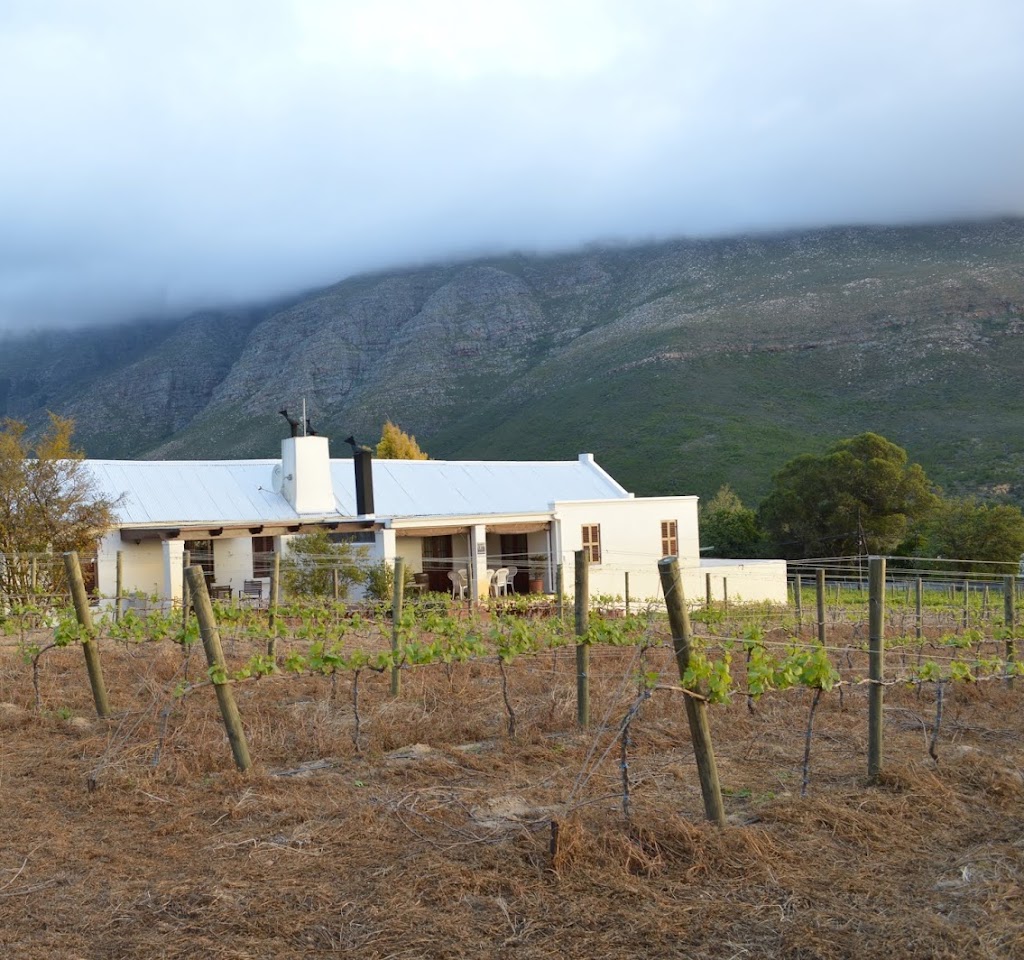
Accommodation in Stellenbosch spans restored heritage houses in the town centre, contemporary boutique hotels along the historic streets, and guest houses set in tranquil pockets near wine estates. In the centre, you’ll find properties that place you within walking distance of Dorp Street’s oak-shaded charm, the university precinct, and the bustling markets and cafés. The outskirts and surrounding valleys, such as the Banhoek and Jonkershoek areas, provide a different atmosphere: fewer crowds, countryside views, and opportunities to book rooms looking out towards vineyards or the rear of the dramatic Helderberg and Simonsberg slopes.
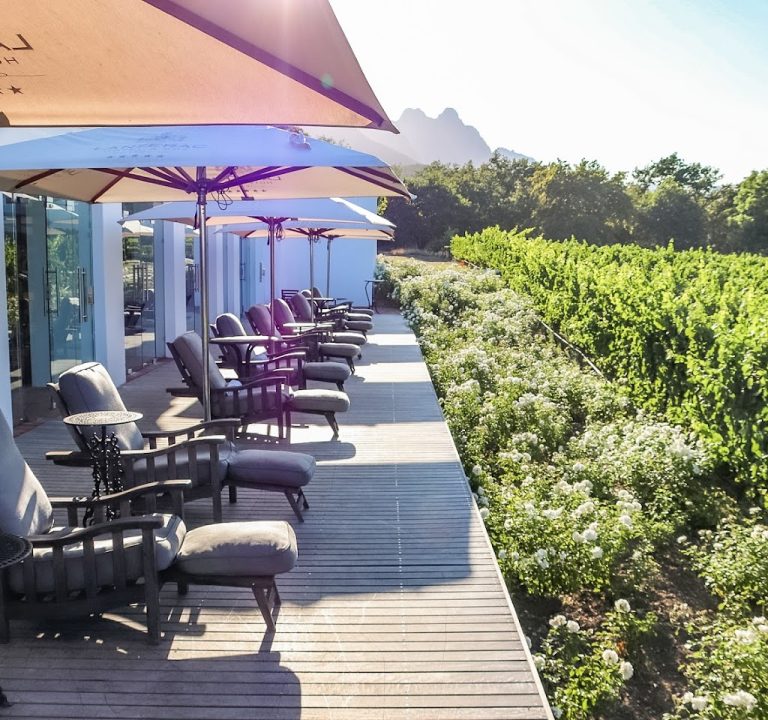
When selecting a base, consider proximity to the activities you favour. If wine tasting and estate dining are priorities, a stay near one of the many winelands on the Stellenbosch towns’ edges can reduce daily driving. If you’d like a more walkable experience with easy access to retail and restaurants, central Stellenbosch offers a compact, charming itinerary with the university’s leafy campus nearby and a network of streets to explore by foot or bicycle. For a peaceful retreat, look for guest houses and boutique lodges set back from the main roads, offering garden courtyards, verandas, and binocular-friendly places for birdwatching in the morning light.
Typical amenities across well-run accommodations include comfortable en suite rooms, free Wi-Fi, secure parking, and thoughtful touches such as hot beverage stations, locally sourced toiletries, and generous breakfasts that showcase fresh fruit, breads, and house-made treats. Some properties offer on-site dining, cellar tastings, or guided walks around the neighbourhood. If you’re visiting during peak season, it’s wise to book a little in advance, especially for properties with limited rooms or those that include personalised experiences such as guided walking tours or private tastings.
Transport around Stellenbosch is straightforward. A car is convenient for exploring the surrounding estates and nearby towns, but many places are reachable by taxi, rideshare, or cycling routes for the more energetic traveller. If you plan to visit multiple estates in a day, consider staying somewhere near a central hub with easy access to main roads, and check whether your accommodation offers shuttle services or a recommended route map. For visitors without a car, staying close to the town centre or near a main transport corridor can simplify day trips to vineyards and nature reserves while you relax in the evenings.
Best time to visit Stellenbosch tends to align with the wine harvest calendar and pleasant spring and autumn weather. Spring (August to November) brings fresh greens and blossoming gardens, while autumn (March to May) offers cooler days ideal for vineyard strolling and café hopping. Summer is lively, with longer days and outdoor dining, but it can be busier. Winter brings a quieter mood and clear views of the surrounding peaks, which can be a good time for a cosy stay with a focus on wine tastings and cultural events inside warm venues.
While in Stellenbosch, you are spoilt for choice when it comes to experiences beyond the guesthouse. The Stellenbosch valley is known for its scenic wine estates, where you can enjoy cellar tastings, estate dining, and vineyard walks in a peaceful setting. Town centre strolls reveal historic architecture, shaded courtyards, and markets offering local crafts and snacks. Cultural attractions include small museums and galleries housed in heritage buildings, as well as outdoor spaces for picnics and sunset views over the town and distant hills. For a relaxed day trip, venture into nearby Robyns or Tokai for additional countryside vistas, or explore nature reserves with well-marked trails and viewpoints.
When planning meals, consider a mix of experiences: plan a longer lunch or dinner at a wine estate with a scenic terrace, sandwich stops near central streets for a light bite during a day of sightseeing, and casual cafés for morning coffee and pastry. Many accommodation providers partner with local eateries and can suggest routes that combine wine tastings with art, architecture, and garden visits so you can enjoy a well-rounded South African day trip.
Practical tips for a smooth stay in Stellenbosch:
- Book well in advance if you’re visiting during peak harvest season or over long weekends.
- Check if your accommodation offers guided walks or curated winery itineraries to maximise your time.
- Confirm parking arrangements, as central properties may have limited on-site spaces.
- Ask about breakfast options, as some places showcase regional produce and fresh-baked goods.
- Pack layers for changeable weather and comfortable shoes for walking cobbled streets and vineyard paths.
- Explore nearby towns and valleys via a day-by-day plan to balance wine, culture, and outdoor time.
For more inspiration, explore Stellenbosch’s official tourism resources and browse individual guest houses and boutique hotels to find a stay that matches your pace and interests. Useful starting points include the town’s visitor information sites and regional tourism pages, which host practical travel guidance and links to local experiences. A well-chosen base in Stellenbosch sets you up for a relaxed, immersive experience of one of South Africa’s most beloved wine and heritage towns.