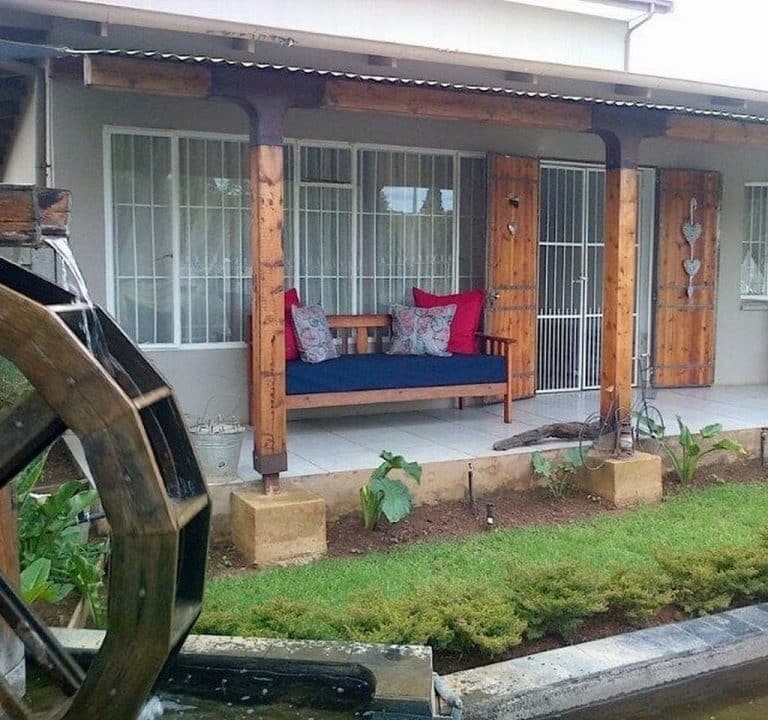
Accommodating Pretoria: where to stay, what to look for, and how to make the most of the City of Tshwane
Pretoria, the administrative heart of South Africa’s Gauteng province, blends grand historic streets with modern conveniences, green spaces, and a lively dining scene. When planning a stay, travellers typically weigh proximity to embassies and government precincts, access to transport links, and the character of the neighbourhood. Whether you favour a quiet guesthouse tucked behind a leafy avenue, a stylish boutique hotel near the city centre, or a self‑catering lodge on the outskirts, Pretoria offers options that suit short breaks, business trips, and longer explorations.
Areas to consider include the central government district and prep‑areas around Arcadia, and the tropical‑feel suburbs to the east and north. The eastern suburbs tend to offer more traditional guesthouses and family‑run establishments with a friendly, personalised touch, while the central and upscale districts are convenient for museums, historic sites, and embassies. For a calmer stay with easy access to nature, look to leafy northern neighbourhoods or the suburbs near the Magaliesberg foothills. When choosing where to stay, consider what you want to be close to: museums and gardens, parks and outdoor spaces, or business services and dining options.
Accommodation styles vary from guest houses and boutique hotels to comfortable self‑catering apartments and lodges. Common amenities include free Wi‑Fi, on‑site parking (important in a city where street parking can be limited), continental or full English breakfasts, and attentive hosts who can offer local guidance. Many guest houses pride themselves on personalised service, quietly ensuring guest rooms are clean, well‑equipped, and homely. If you value a peaceful night’s sleep, check room layouts to avoid high‑traffic areas, and ask about soundproofing if the site is near main roads.
Booking tips to help you plan effectively:
- Identify your priorities: proximity to the city centre, access to major transport routes, or a tranquil garden setting.
- Research transport options: Pretoria has a growing network of taxis, ride‑hailing services, and some bus routes. Some guest houses offer airport or railway transfers, which can simplify logistics.
- Read guest reviews with a discerning eye: look for consistent notes about cleanliness, quietness, and the responsiveness of hosts or staff.
- Check for essential amenities: reliable Wi‑Fi, secure parking, an on‑site kitchen or breakfast service, and options for late check‑in if your arrival time varies.
- Consider the layout and accessibility: ground‑floor rooms and lift access are useful for mobility considerations; family rooms or suites may suit extended stays.
Typical facilities you might encounter include en‑suite bathrooms, tea and coffee making facilities, air conditioning or heating for Pretoria’s warm summers and cool winter nights, and rooms with workspaces for travellers who combine work with leisure. Some properties offer small patios or shared gardens, which are particularly pleasant in the cooler months when outdoor socialising becomes appealing. If you’re travelling with children or require extra bedding, confirm room configurations and any additional charges in advance to avoid surprises at check‑in.
Transport and getting around are important planning considerations. Pretoria is well served by the major highways and tends to be easier to navigate by car than by foot in many districts. If you prefer not to drive, a centrally located accommodation with easy access to Uber or taxi services can save time. The city’s parks and cultural sites are well dispersed, so being within reasonable reach of main arterials will often save travel time. For day trips, you might plan a visit to natural reserves, historic estates, or art‑themed routes in nearby townships, and a place near public transit hubs can make these excursions smoother.
The best time to visit Pretoria depends on your interests. The city experiences warm summers with occasional afternoon showers, ideal for outdoor activities and admiring the Jacaranda season in late spring when trees bloom in a sea of purple. Autumn brings cooler temperatures and comfortable days for city roaming. Winter is mild by many standards, though evenings can be chilly, so ensure your accommodation provides a cosy heating option. If you’re planning a nature or garden‑focused trip, consider spring or autumn for lighter crowds and pleasant walking conditions.
When you arrive, practical tips can enhance your stay. Always confirm check‑in times, parking arrangements, and any access codes or gate instructions in advance. If you prefer a more personal introduction to the city, a guest house host or small hotel staff can offer tailored recommendations for dining, markets, and hidden gems that aren’t always listed in guidebooks. For a flavour of the local dining scene, you’ll find a mix of contemporary eateries and traditional South African roasters and bistros, particularly around central districts and up‑and‑coming neighbourhoods. And when it comes to planning excursions, you’ll discover that many attractions emphasise culture, history, and outdoor experiences—ranging from formal museums and memorials to scenic parks and gardens—so a well‑balanced itinerary often works best.
For further inspiration and practical planning resources, you can explore regional tourism information at official sites and visitor guides, which offer overview details on attractions, dining options, and travel tips. Pretoria’s blend of heritage and modernity makes it a versatile destination for both short stays and longer visits. With careful selection of the right neighbourhood and a thoughtfully planned itinerary, your stay in Pretoria can be comfortable, convenient, and richly rewarding. Gauteng Tourism Authority and regional guides are useful starting points for up‑to‑date information on attractions, events, and itineraries. You can also browse general South African travel resources for broader context and local recommendations.