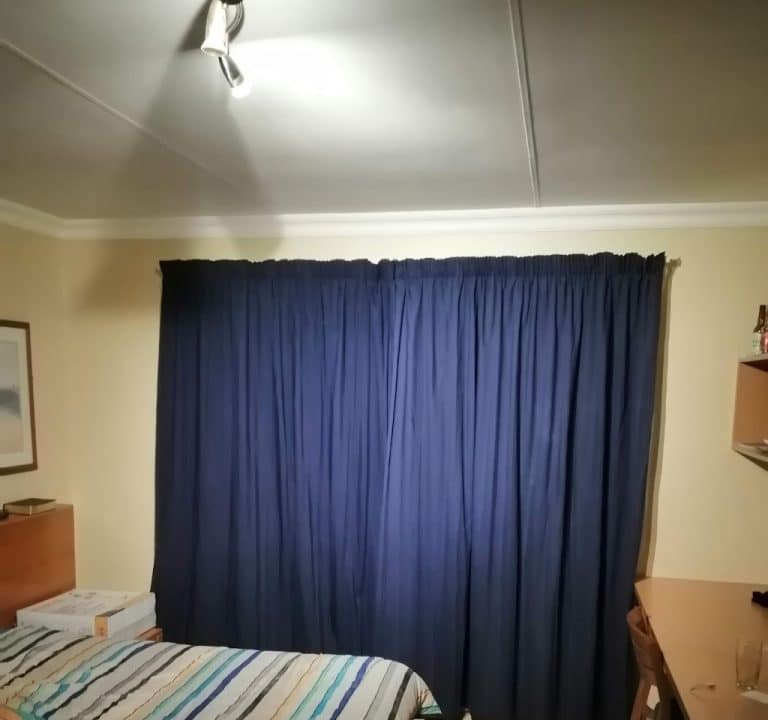
Accommodation in Pretoria, Gauteng: Where to stay and how to plan your visit
Pretoria, the administrative capital of South Africa, blends leafy suburbs with a rich cultural heritage and easy access to the wilds of neighbouring reserves. When planning a stay, consider the rhythm of the city and the surrounding hills, the pace of traffic in peak hours, and the type of experience you want—from quiet, boutique stays to convenient city lodging close to dining and nightlife. A well-chosen base makes it easier to explore the city’s attractions, while providing restful evenings after days out exploring nature reserves, museums, and heritage sites.
Accommodation options in Pretoria range from cosy guesthouses and purpose-built lodges to modern hotels and self-catering apartments. Many properties are nestled in tree-lined suburbs, offering a sense of tranquillity while still being close to key routes. For visitors who prefer a more residential feel, long-standing inner-city boutique guesthouses and lodges provide personalised service and an opportunity to watch daily life unfold in a bustling, cosmopolitan setting. When booking, look for properties that clearly outline accessibility, security, and local convenience in their descriptions, so you can balance comfort with a straightforward route to your planned activities.
Areas to consider do make a meaningful difference to your stay. Hatfield and Arcadia are popular with travellers seeking a lively dining and nightlife scene, as well as easy access to major sights. Menlyn offers a newer, more contemporary atmosphere with shopping centres and family-friendly amenities, while Waterkloof and Faerie Glen provide quieter, more residential surroundings. For those who want a close connection to nature, Groenkloof and the eastern slopes of the Magaliesberg foothills are ideal, often featuring guesthouses with garden spaces and scenic views. If you’re visiting for business or government-related events, central districts may give you quick access to conference venues and administrative buildings. Each area has its own rhythm, so choosing based on your priorities—quiet evenings, easy dining, or proximity to particular sights—will improve your overall experience.
Typical amenities you should expect or look for include reliable Wi‑Fi, secure parking, air conditioning or good ventilation, and a well-equipped kitchenette or tea-and-coffee provisions if you’re staying in a self-catering option. Many lodgings in Pretoria offer outdoor spaces, such as gardens or verandas, which are welcome in the warmer months. A generous breakfast or on-site dining options are common, as are wellness features like laundry services, in-room desks for worktravellers, and flexible check-in/check-out arrangements. If you are travelling with family or a group, inquire about rooms that connect or larger suites, as well as child-friendly facilities and safety features in the neighbourhood.
Transport is a practical consideration for staying in Pretoria. The city’s layout is car-friendly, with arterial routes linking suburbs to the central business district and major attractions. If you’re not driving, the Gautrain offers a fast link to Johannesburg and OR Tambo International Airport, while local taxis and ride-hailing services operate across the city. Some lodgings provide shuttle services or organised transfers, so it’s worth asking about these when you book. For longer stays, renting a car gives you the freedom to explore beyond the city limits, including nature reserves, botanical gardens, and potential day trips to nearby towns and viewpoints.
Best time to visit Pretoria tends to align with South Africa’s climate. The city experiences hot, dry winters and summer rains. May to September are typically cooler and dryer, with pleasant days for sightseeing. The vibrant spring months bring colourful jacaranda blooms, creating a scenic backdrop for strolls through parks and historic streets. If you’re planning outdoor activities or game viewing in nearby reserves, consider the seasons and possible afternoon thunderstorms in summer. Pack layers to cope with changing temperatures, and don’t forget sun protection for daytime exploration.
When planning your itinerary, balance museum visits, outdoor activities, and restaurant stops. Pretoria’s cultural scene includes a range of galleries, statues, and memorials that reflect the city’s history, along with modern art spaces and craft markets. For meals, consider trying a mix of casual eateries and more refined options that showcase South African flavours, regional produce, and contemporary takes on classic dishes. It’s wise to make reservations during peak travel periods, especially on weekend evenings or during public holidays, when demand for popular spots can be high.
Practical planning tips to help you stay ahead:
- Choose accommodation with clear, up-to-date guest reviews and transparent cancellation policies in case plans shift.
- Ask about security features in the neighbourhood, such as controlled access or on-site parking.
- Look for properties that provide a neighbourhood map or guidance on safe walking routes, plus tips on local restaurants and markets.
- Consider staying near a convenient transport hub or major road to reduce travel time between sights.
- Pack a small daypack for city walks and a light layer for cool evenings, especially in spring and autumn.
For further inspiration, Visit Pretoria’s official tourism resources offer ideas on craft markets, gardens, and heritage trails, along with practical visitor information. When you book, you’ll find a range of options that suit different budgets and preferences, from intimate guesthouses to stylish lodges, each providing a comfortable base from which to explore Gauteng’s dynamic capital. A well-chosen stay can enhance every aspect of your trip, turning a visit to Pretoria into a balanced blend of culture, nature, and relaxation.