Accommodation and exploring Oranjemund, Namibia: where to stay and what to do
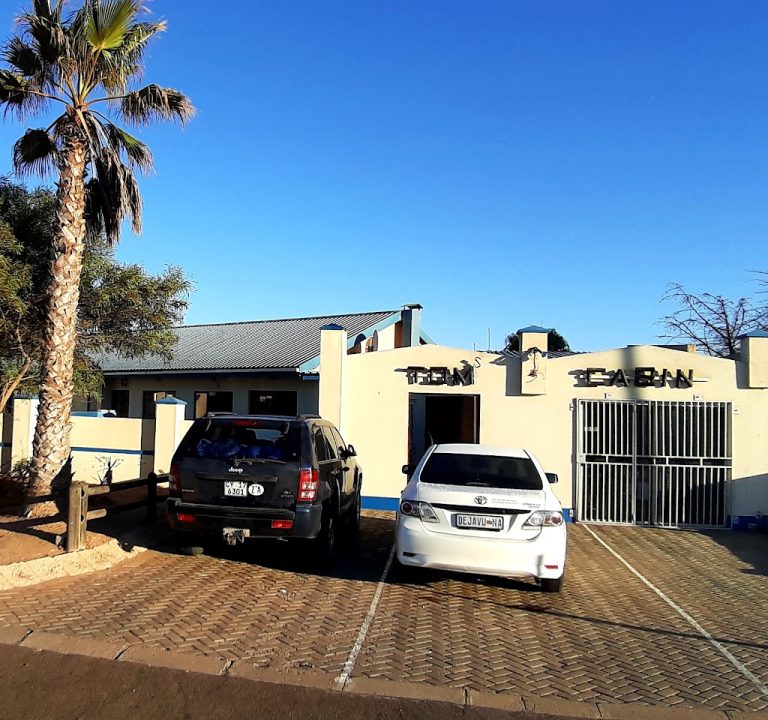
Oranjemund sits at the northern edge of the Namib Desert, where the Orange River meets the Atlantic sands. It is a compact, purpose-built town with a distinct mining heritage and a relaxed pace that suits travellers seeking a quiet base from which to explore the surrounding landscapes. When planning a stay, consider choosing a neighbourhood that aligns with your interests—whether it’s close to the river, near the town’s conveniences, or set against the wider desert scenery. Accommodation ranges from guest houses and small hotels to self-catering options, with a focus on comfort, practicality and a warm, welcoming atmosphere.
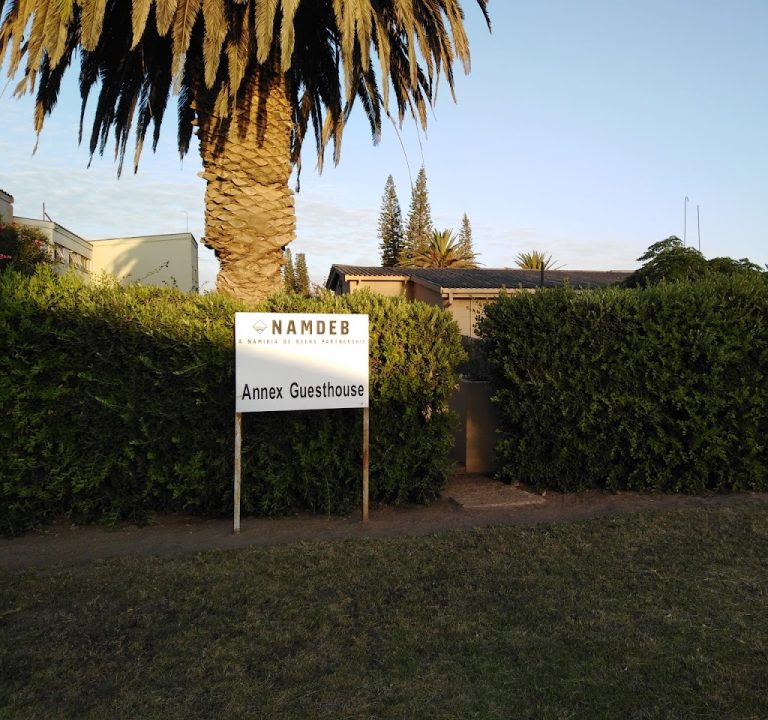
Booking considerations start with location and access. Oranjemund is best experienced with a car or organised transfers, as public transport is limited and many outings require a short drive into the outskirts or into neighbouring towns. Look for properties that offer secure parking, easy access to a petrol station, and proximity to the town centre where restaurants, shops and information points cluster. If you enjoy a quieter stay, seek out guest houses and lodges on the town’s periphery that overlook open desert or river views, providing an instant sense of space and sunrise lighting for photography.
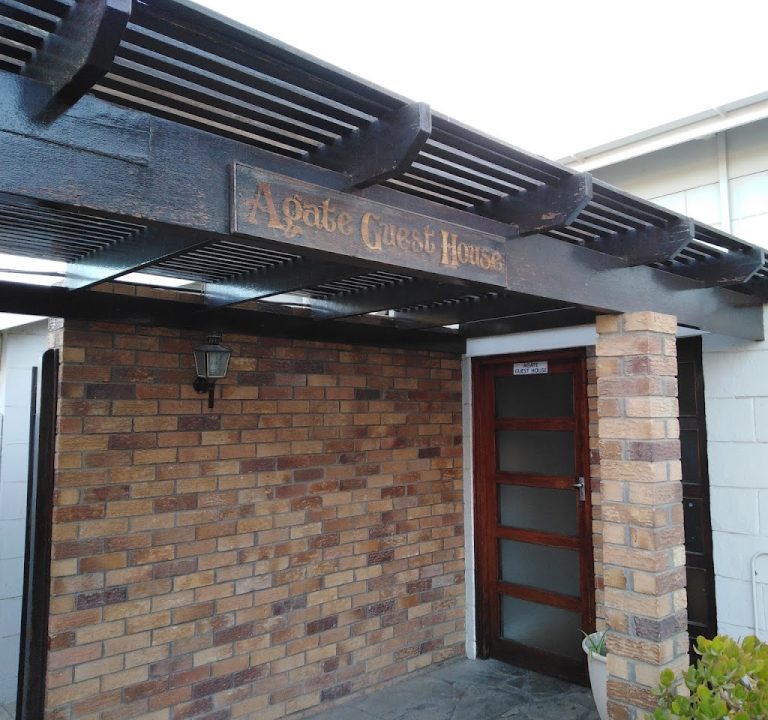
Typical amenities to prioritise include reliable Wi‑Fi, en-suite bathrooms, decent heating or cooling for the desert climate, and access to a shared lounge or dining area where guests can mingle. Simple comforts go a long way in Oranjemund: a well-equipped kitchen or kitchenette for self-catering can reduce city restaurant dependence, and a laundry facility is a practical addition on longer visits. For families or larger groups, a self-contained unit or a guest house with multiple bedrooms offers better value and privacy than a single hotel room.
When it comes to planning your days, a sensible approach is to balance river-adjacent activities with inland Desert and Sperrgebiet National Park experiences. The town serves as a gateway to the wider region’s dramatic landscapes, and many travellers enjoy early-morning walks along the riverbank or late-afternoon drives to vantage points where the light softens over the dunes. Guided excursions—whether on foot, by 4x4 or boat on the river—can enrich your understanding of the area’s geology, wildlife and colonial history. If you wish to include cultural insights, ask your host or accommodation provider for simple recommendations on local craftspeople, museums and informative displays that explain the town’s development and its mining past.
Transport arrangements are easier with a car, but if you prefer not to drive, look for accommodation that can organise airport transfers or guided day trips. Pack for variable weather: mornings and evenings near the river can be breezy and cool, while the day may bring strong sun. A lightweight jacket, sunhat, sunscreen, water bottle and sturdy footwear are practical essentials. In remote areas, plan each day with a clear route, inform someone of your plans, and carry a map or offline navigation in case mobile reception is inconsistent.
The best time to visit Oranjemund is shaped by the climate. Winters (May to August) are typically cooler and dry, suited to outdoor activities without the heat, while the hot, windy summer months (October to March) can be intense. Spring and autumn offer pleasant temperatures for exploring the surrounding desert and river landscapes. If you are keen on wildlife or migratory birdwatching, align your plans with seasonal patterns and locally available up-to-date information from your host or visitor centres.
Practical tips to help you make the most of your stay:
- Choose accommodation with clear, transparent policies about meals, housekeeping, and any included transportation or guided excursions.
- Ask about blackout periods or site-specific access restrictions, particularly during periods when some roads may be restricted or quarry activity is underway.
- Consider a guest house or small hotel with a friendly staff matrix who can provide tailored advice on day trips, local eateries and safe routes for exploring on your own.
- Opt for flexible booking terms where possible, as regional travel plans can shift with weather or local events.
- In terms dining, expect a range of casual eateries and modern cafés offering simple, hearty meals. Restaurants often reflect a blend of Namibian and neighbouring cuisine, with emphasis on fresh ingredients and regional flavours.
For activities, you’ll generally find that most tours and excursions are weather-dependent and operate in daylight hours. While specific venues and operators vary, many visitors enjoy experiences that highlight the day-to-day life of Oranjemund and its surroundings: river views, desert vistas, and the chance to learn about the town’s mining heritage in a relaxed setting. Before booking experiences, confirm inclusions, duration, and what is required in terms of fitness or mobility. A well-curated stay combines rest, exploration and the chance to meet local hosts who can offer practical tips and authentic recommendations, making Oranjemund a thoughtful, approachable destination for travellers seeking a quiet, scenic Namibian break.