Oranjemund, Namibia: practical guidance for a comfortable stay and memorable exploring
Oranjemund sits on the southern edge of Namibia, where the mighty Orange River meets the Atlantic coast. As a small, purpose-built town rooted in mining history, it offers a quiet base for travellers who want to experience a remote corner of the Namib Desert with river scenery, wide skies and a relaxed pace. The surrounding landscape is starkly beautiful, with opportunities to observe birds, wide river views and vast horizons. When planning a stay, it helps to think about where you will base yourself, how you will get around, and what kind of pace you prefer during your visit.
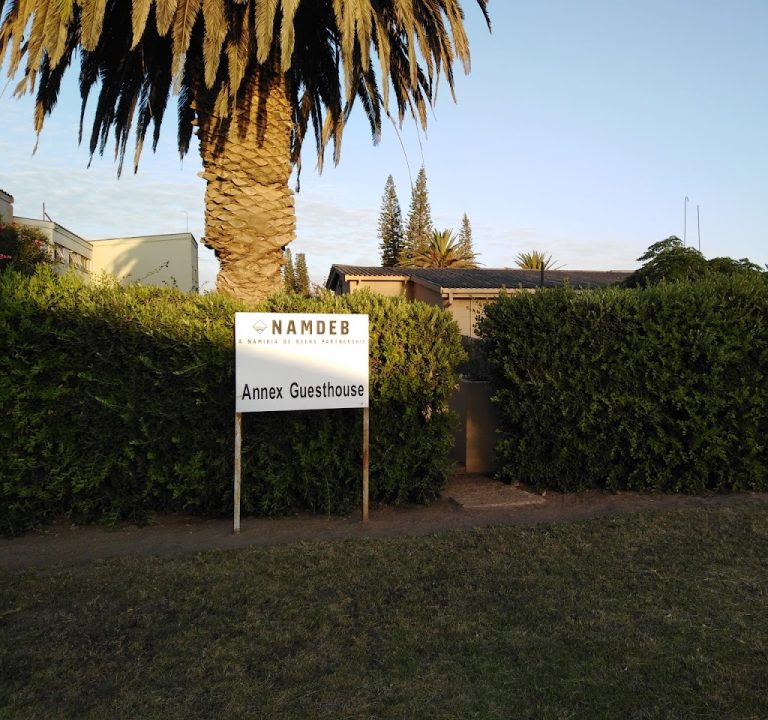
Accommodation in Oranjemund ranges from guest houses to lodge-style options and self-catering stays. A notable example is Annex Guest House, recognised for providing a comfortable, approachable base with a friendly atmosphere. Such properties typically offer practical amenities for travellers, including clean rooms with private bathrooms, reliable power, and straightforward dining or kitchen facilities. Because facilities can be modest, it is wise to manage expectations and confirm details like heating or air conditioning, Wi‑Fi availability, and on-site parking when you book. If a property has a small on-site restaurant or common dining area, you’ll often find a friendly, informal environment that makes it easy to meet other visitors.
Areas to consider when choosing where to stay include proximity to the riverfront and any town amenities. A central location can save time for daily errands and provide pleasant, easy walks to cafés or shops. A quieter, more rural stay on the outskirts may offer larger rooms and more solitude, which can be ideal if you’re travelling with a hire car and prioritising stargazing or birdwatching at dawn. If you are planning longer excursions into the surrounding region, check whether your chosen option provides parking and easy access to a reliable road network.
Typical amenities you can expect in Oranjemund’s guest rooms and lodges include en-suite bathrooms, secure on-site parking, sometimesush facilities for laundry, and dependable electricity supply. In remote areas of Namibia, it is common to encounter occasional limited connectivity, so plan accordingly—download maps and essential documents beforehand. Meals may be available on-site or nearby, and there is usually a simple selection of snacks and beverages in guest areas. For those who prefer home comforts, a self-catering option or apartment-style accommodation can be a convenient choice, offering flexibility for travellers who wish to eat when and how they please.
Transport is a key planning factor. Most visitors rely on a rental car to move between points of interest and to explore beyond the town. Having a vehicle gives you the freedom to set your own schedule, visit viewpoints, and reach riverbanks or birdwatching sites at the best times of day. If you arrive by air, check the local airstrip or connecting flights to larger hubs and arrange transport in advance if possible. Inside town, walking is pleasant for short trips to lodges, guest houses, or the riverfront, but longer distances or rugged routes will usually require a vehicle. Pack a spare fuel plan and keep water handy, as service stations can be sparse in more remote stretches of the region.
The best time to visit Oranjemund largely aligns with Namibia’s dry season, from May to October. During these months you can expect clearer skies, cooler mornings and warm, pleasant days. This is also the period when wildlife viewing and bird activity are often more noticeable, and the riverfront scenery can be particularly striking at sunrise and sunset. If you plan to endure the heat of the peak summer months, bring sun protection, light layers, and ample water, but be mindful of shorter daylight hours in winter and potential chilly evenings.
Practical planning tips:
- Book well in advance during peak travel periods, especially for popular dates or family stays, to secure a comfortable room with the features you need.
- Confirm heating or cooling arrangements, electrical capacity, and Wi‑Fi availability with your chosen property.
- When researching dining options, identify a couple of nearby cafés or take-away venues so you’re not reliant on a single supply point.
- Source a reliable map and keep offline copies of essential information, including directions to key viewpoints and nearby towns.
- Consider a guided river or nature excursion if available, to gain context on the local ecology, wildlife and mining heritage.
Attractions and experiences in general terms include river-based viewpoints, birdwatching along the banks, and the stark beauty of the surrounding desert landscapes. The area’s history as a mining town lends a quiet backdrop to modern-day exploration, with opportunities to learn about the region’s development and the role of the river in daily life. Dining in Oranjemund tends to be straightforward, with small eateries and local cafés offering simple, comforting meals after a day of sightseeing. For broader choices, you may travel to nearby towns or plan day trips to regional highlights, always bearing in mind travel times and fuel availability.
In short, Oranjemund offers a serene retreat with practical, comfortable accommodation and the chance to experience a distinctive corner of Namibia. By choosing a suitable base, planning transport, and aligning your visit with the best-season conditions, you can enjoy the river’s quiet ambience, open skies and the surrounding landscapes with ease. If you are seeking a relaxed yet enriching Namibian stay, consider Annex Guest House as a welcoming starting point and tailor your itinerary to the pace and places that speak most to you.