Plettenberg Bay: where to stay, explore and dine in the Western Cape
Situated along the Garden Route, Plettenberg Bay offers a relaxed coastal vibe combined with panoramic views, golden beaches and easy access to nature-filled activities. When planning a stay, consider the different neighbourhoods and what they offer: the central hub near the town centre provides convenient access to shops and restaurants, while neighbouring bays and reserves offer quieter beachfront options and scenic trails. Whether you prefer a stylish boutique guesthouse, a family-friendly lodge or a self-catering apartment with sea views, Plettenberg Bay has choices to suit most travellers and budgets.
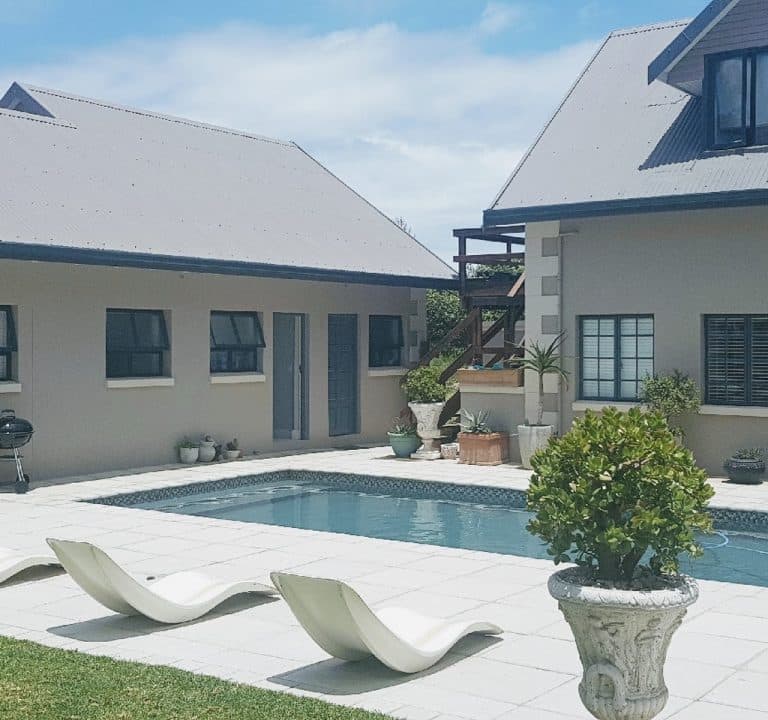
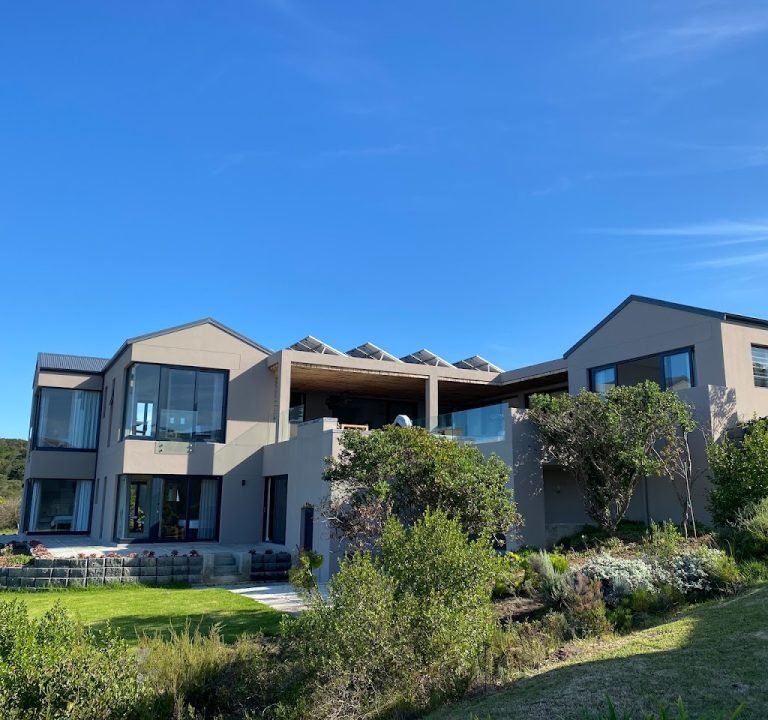
Accommodation in Plettenberg Bay tends to prioritise comfort and location. Expect features such as guest-only lounges, outdoor terraces, swimming pools, and, in many properties, secure parking and strong Wi‑Fi. Some coastal stays may offer sea-facing rooms, balcony areas for sunset gazing, and easy access to beach paths. For families or groups, self-catering units or serviced apartments are a practical option, while couples and solo travellers often favour intimate guesthouses with personalised service. In peak season, it pays to book well in advance, particularly for properties with limited off-street parking or beachfront access.
Areas to consider when choosing where to stay:
- Beachfront or beachfront-adjacent locations for long walks and close access to the water.
- Town centre or main strip bases for easy dining, cafés, and short strolls to shops and markets.
- Neighbourhoods near conservation areas or nature reserves for early-morning wildlife and trailheads.
- Family-friendly pockets with larger suites, gardens, and kid-friendly amenities.
When booking, think about access to daily necessities, transport and how you plan to move around. Plettenberg Bay is walkable in parts, but many adventures and beaches are best reached with a car or organised tours. If you prefer not to drive, check whether your accommodation offers shuttle services, bike hire or easy access to local taxis. Some properties will provide information about seasonal shuttle links to popular beaches or viewpoints, while others may recommend reputable tour operators for activities such as whale watching (seasonal) or guided nature walks.
Typical amenities you can expect include comfortable beds with quality bedding, private bathrooms, and reliable hot water. Many properties provide well-equipped kitchens or kitchenettes, daily housekeeping or mid-stay refreshes, and outdoor seating areas to enjoy the sea breeze. A few guesthouses and lodges may feature on-site dining rooms or small cafés, offering light meals and breakfast options. If you rely on technology, look for properties with strong Wi‑Fi and charging points in bedrooms or living areas. An early check-in or flexible check-out policy can also be a welcome perk when your plans depend on flight times or tides.
Best time to visit Plettenberg Bay depends on what you want from your trip. The summer months bring warm weather and busy beaches, ideal for swimming and water-based activities. Spring and autumn offer pleasant temperatures for outdoor exploration and hiking, with fewer crowds and more wildlife sightings in nearby reserves. Winter is cooler and quieter, a good time for coastal walks,код and indoor-relaxing stays, provided you’re prepared for breezier conditions. If your itinerary includes marine life watching or certain outdoor pursuits, align your dates with the seasons and tidal patterns, and always check local advisories before heading out.
Key attractions and experiences in general terms include lounging on pristine beaches, scenic viewpoints over the bay, and traversing nature reserves with coastal trails. Family-friendly options often combine beach time with gentle nature walks and animal encounters in safe settings. For those who enjoy food and drink, Plettenberg Bay has a relaxed café culture, with menus that highlight local produce, seafood and regional flavours. Restaurants generally offer a mix of casual favourites and more refined options, with menus that change with the seasons. To plan outings, consult the accommodation host or a reliable local tourism site for suggestions on routes, opening times and transport options.
As for planning your stay, a practical approach is to map out a few anchor points—a comfortable base near the town centre, a day dedicated to a coastline drive or nature reserve, and one evening set aside for sampling a couple of dining venues. A suggested approach is to choose a primary base for your first few nights and then consider day trips to nearby attractions, such as coastal viewpoints, walking trails, and nature reserves. Booking a property that offers both comfort and flexibility helps you adjust plans if weather or tides influence your activities. If you’d like to explore a specific listing to compare features and availability, you can view options on booking platforms, including pages such as https://book.nightsbridge.com/17312.
Practical tips for travellers:
- Pack layers for variable coastal weather—even in summer, sea breezes can feel cool in the evening.
- Bring a reliable sunhat and sunscreen for long days on the beach or at the viewpoints.
- Check parking arrangements and ease of access if you plan to drive to nearby reserves or beaches.
- Book activities and restaurant reservations in advance during peak seasons to secure preferred times.
- Respect conservation guidelines at nature areas and stay on designated paths to protect wildlife and habitats.
Overall, Plettenberg Bay offers a balanced blend of comfortable accommodation, scenic beauty and accessible dining. Whether your stay is a leisurely coastal retreat or a gateway to the wider Garden Route, planning with attention to area, amenities and timing will help you make the most of your visit while enjoying a relaxed South African coastal experience.