Plettenberg Bay: where to stay, and what to see and do
Plettenberg Bay, tucked along the Garden Route in the Western Cape, offers a compelling blend of coastal beauty, outdoor adventures and relaxed Jámbé-style hospitality. From boutique guesthouses and family-friendly lodges to remote camping sites and glamping options, the town provides a range of accommodation to suit different budgets and styles. When planning a stay, consider the layout of the area, access to beaches, and how close you want to be to the town centre, the Robberg Nature Reserve or architecturally interesting hillside neighbourhoods.
Accommodation options and what to look for when booking
Plettenberg Bay is well-served by a mix of lodging, including self-catering apartments, B&Bs, eco-friendly lodges and tented camps. For hilltop sites, expect panoramic views and a sense of seclusion; beachside stays tend to offer quick access to golden sands and gentle surf. If you’re travelling with family, look for two-bedroom units or apartment layouts that provide separate sleeping spaces and a kitchen. For couples seeking a quiet getaway, smaller guesthouses with attentive hosts can provide a personalised experience and insider tips.
Typical amenities to expect include well-equipped kitchens or kitchenettes, dependable Wi‑Fi, private parking, and outdoor spaces such as verandas or courtyards. Some properties provide air conditioning, which can be nice during warmer months, while others balance airflow with ceiling fans in bedrooms. Pools are common at larger lodges and guesthouses, and many lodges offer communal lounges, dining areas and outdoor braai (barbecue) facilities. If you rely on a vehicle, choose accommodation with off-street parking or easy access for loading luggage.
Areas to consider when choosing where to stay
- Town centre and the main commercial strip for ease of dining, shopping and short walks to the beach.
- Beachfront or seafront pockets for direct access to the coast and sunset views.
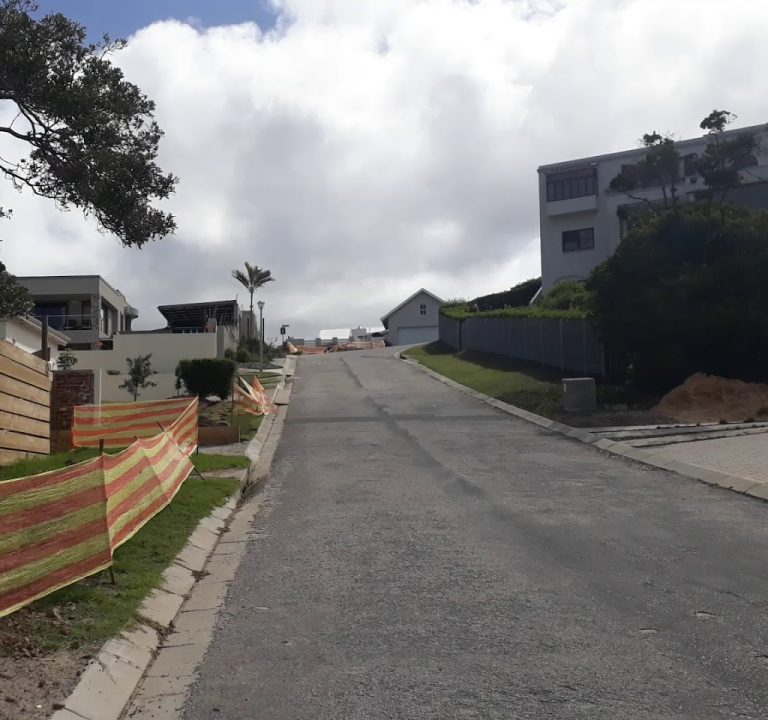
- Hillside or forested ridges for longer, scenic walks and a more tranquil atmosphere.
- Robberg Peninsula area for wildlife-watching and an active outdoor itinerary.
- Holiday villages and gated lodges for a family-friendly environment and a broader range of facilities.
Transport and getting around
Having a car is convenient for Plettenberg Bay, given the spread of beaches, viewpoints and nature reserves. Public transport is limited in some areas, so many visitors rely on private transfers or organised tours for day trips. If you prefer not to drive, look for properties that offer proximity to walkable routes to the town centre, cafés and beaches or consider staying at a lodge that can arrange guided excursions.
Best time to visit and practical planning
Plettenberg Bay enjoys a mild climate with warm summers and cool winters. Peak beach season runs through the southern Hemisphere summer, typically December to February, when sea conditions are pleasant and the town buzzes with outdoor activities and markets. The shoulder seasons of spring and autumn are excellent for whale watching and quieter beaches, with comfortable temperatures for hiking and boating. Spring flora can be vibrant, and autumn often brings calmer seas that are suitable for marine-based activities.
What to do: attractions and experiences in general terms
- Nature and wildlife: The area is known for generous coastal scenery, rugged peninsulas and nature reserves where you can observe birds, native flora and marine life. Walking or hiking along coastal trails and wooden boardwalks is a popular pastime.
- Beaches and water activities: Expect a mix of sheltered coves and expansive beaches suitable for sunbathing, swimming and gentle paddling. Surfing lessons, stand-up paddleboarding and boat-based excursions are common ways to enjoy the coastline.
- Scenic viewpoints: hillside roads and lookouts offer sweeping panoramas of the ocean and surrounding mountains; a few stops along the route provide memorable photo opportunities.
- Family-friendly outings: Many lodging options are well placed for easy access to safe beaches, playgrounds, and parks where younger visitors can expend energy between sea swims and snacks.
- Food and dining: Plettenberg Bay has a lively hospitality scene with a range of cafés, casual bistros and fine dining venues. Local restaurants emphasise fresh regional produce and seafood, paired with South African wines.
Where to eat and what to expect
In general, expect menus that highlight fresh seafood, grilled dishes and garden produce. There are spots that specialise in light lunches and a range of desserts, alongside venues offering more substantial menus for dinner. It’s common to find places with outdoor seating and garden settings, especially during warmer months. If you are staying in a self-catering option, many local stores stock essential goods and regional products to assemble simple meals or picnic platters for day trips.
Practical tips for a relaxed stay
- Book early for peak periods and school holidays, particularly if you have a specific room type or sea view in mind.
- Check cancellation policies and whether you can adjust dates without penalty if plans change.
- Confirm the availability of parking and accessibility features if you require them.
- Consider combining a beach day with a short hike or a boat trip to balance rest and activity.
- Pack light layers for early mornings and evenings, even during the summer, and bring sun protection for long days outdoors.
A note on exploring responsibly
Plettenberg Bay’s natural beauty is best enjoyed with respect for wildlife and coastal environments. Stick to marked paths, follow local guidelines for litter and waste, and support operators and venues that prioritise sustainable practices and community benefits.
If you’re planning a stay, you can find a range of lodging styles to suit different itineraries, from intimate glamping nooks to contemporary lodges with family-friendly layouts. For ideas, browse reputable local websites and tourism pages that offer practical planning tools, suggested itineraries and current listings. More information about Plettenberg Bay and the wider Garden Route region can be found at official tourism resources and regional guides, which often feature practical planning tips and suggested routes.
Website references for planning and inspiration:
- https://www.plett.co.za
- https://www.gardenroute.co.za
Hillcrest Lodge Tents – Sandstone and similar lodging types offer a reminder that Plettenberg Bay can be enjoyed with a balance of comfort, nature and coastal charm.