Stay, explore and savour Plettenberg Bay: a guide to accommodation, attractions and local dining
Plettenberg Bay, on the scenic Garden Route of the Western Cape, offers a coastline of golden beaches, ancient forests and an inviting laid‑back atmosphere. Whether you prefer a quiet guest house perched above the bay, a boutique hotel in town, or a self‑catering lodge near the forest, the area suits a range of travel styles. Planning a stay here means balancing comfortable, bookable spaces with easy access to natural splendour, coastal activities and friendly, unpretentious dining.
Accommodation in Plettenberg Bay spans several distinct areas, each with its own character. The main town and beachfront areas are convenient for wandering to shops and eateries, while the hillside neighbourhoods offer tranquil views and more self‑contained stays. Whichever option you choose, most properties provide a welcoming base from which to explore the coastline, Marine Protected Areas and the surrounding nature reserves. For those seeking a traditional guest house experience, be sure to look for hosts who can offer local tips on beaches with lifeguards, family‑friendly coves, and short walks suitable for all ages.
When choosing where to stay, consider the following areas and what they typically offer:
- Beachfront or near‑beach locations for direct access to sand and sea.
- Town centre options that are walkable to cafés, restaurants and shops.
- Hillside or forest edge properties with panoramic views and a sense of retreat.
- Outlying lodges or guest houses closer to nature trails and wildlife opportunities.
Booking considerations help ensure a smooth stay. Look for guest houses and smaller hotels that clearly state their included amenities, such as free Wi‑Fi, secure parking, housekeeping frequency, and on‑site dining options. If you value a self‑catering element, check kitchen facilities and private entrances. For families, confirm child policies and available crèches or play areas. For couples seeking a romantic break, seek quieter rooms with private terraces or garden access. Clear cancellation policies and transparent pricing are particularly important during peak seasons when demand rises and rooms can fill quickly.
Typical amenities you might encounter include en‑suite bathrooms, well‑equipped рестораns, comfortable lounges, outdoor seating areas, plunge pools or small pools, and garden or terrace spaces. Many Plettenberg Bay properties emphasise outdoor living: sun decks, braai facilities, and easy access to the outdoors are common. If you’re planning activities, ask hosts whether they can arrange or advise on guided walks, boat trips, dolphins or whale watching (seasonal), and readily accessible beaches with lifeguards or safe swimming areas.
Transport around Plettenberg Bay is straightforward but warrants a little planning. Most visitors arrive by road, often via the N2 from Cape Town or Port Elizabeth, with car rental providing the greatest flexibility for beach days and forest drives. Within the town, a short drive or a pleasant stroll takes you between beaches, shops and eateries. For guests staying outside the urban core or in inland lodges, a vehicle is almost essential. Some accommodation providers offer shuttle services or can arrange taxis and private transfers, which can be convenient after a long day of sightseeing or a late dinner.
The best time to visit Plettenberg Bay generally aligns with its mild climate and outdoor appeal. Summer (December to February) brings longer days and warm sea temperatures, making beaches perfect for swimming and water sports. Spring and autumn offer calmer seas and fewer crowds, ideal for hiking in the nearby forests and nature reserves. Winter (June to August) is cooler and wetter, but still pleasant for coastal walks and cosy evenings in a guest house with a fireplace. If wildlife viewing is high on your list, consider seasons when whale watching or dolphin sightings are more common, and always check recent wildlife activity reports when planning a day trip.
Dining and experiences in Plettenberg Bay tend to favour fresh seafood, local produce and laid‑back eateries with sea views. Expect menus that balance classic South African flavours with modern twists, often highlighting seasonal ingredients sourced from nearby farms and coastlines. For visitors, the pleasantries of the town extend beyond meals: guided nature walks, forest outings, and gentle coastal rambles can be arranged or recommended by your host. If you enjoy markets or artisan produce, seek out opportunities to sample local wares and regional cheeses, breads and wines at nearby venues or seasonal pop‑ups.
Practical tips to make the most of your stay:
- Book early for peak periods and long weekends, as Plettenberg Bay attracts visitors year‑round for both relaxation and outdoor adventures.
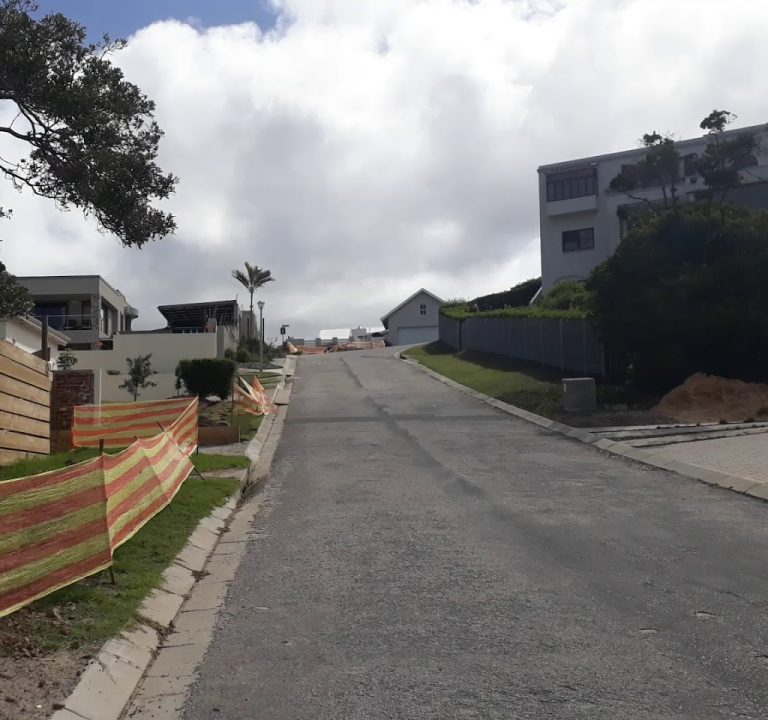
- Confirm proximity to beaches and access routes when selecting a property—some lanes are steep or pedestrian‑friendly rather than car‑friendly.
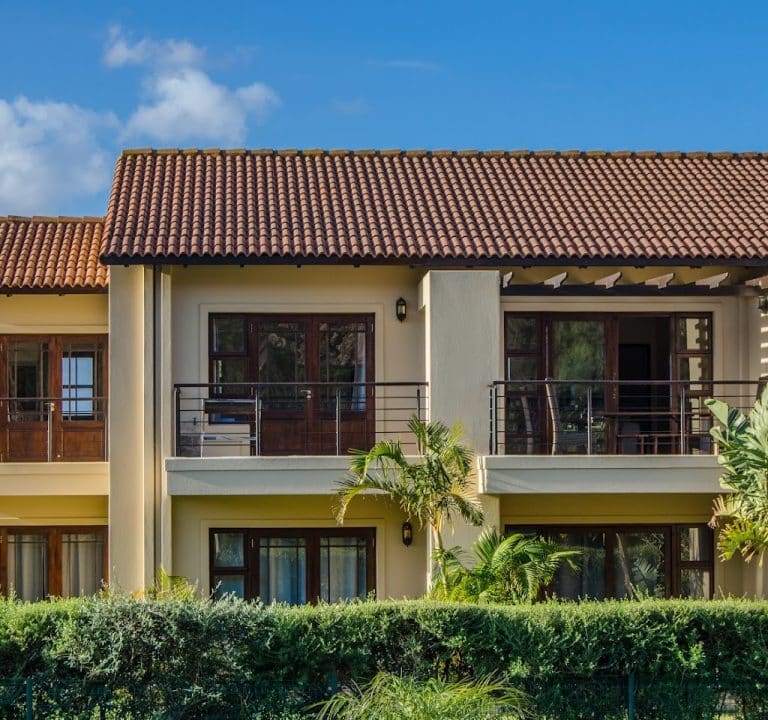
- Ask about outdoor facilities and privacy, especially if you value quiet mornings on a balcony or garden seating area.
- Pack light layers; coastal weather can shift quickly, and mornings may be cooler even in warmer months.
- Respect local environmental guidelines when visiting coastal and forest areas, and carry water and sun protection for day trips.
For a representative example of Plettenberg Bay hospitality, consider staying at a guest house such as Whale Rock Guest House, which offers a warm, personal approach to accommodation with easy access to the coast and surrounding natural beauty. More details can be found at their website: Whale Rock Guest House. Whichever option you choose, Plettenberg Bay presents a balanced mix of comfortable stays, natural splendour and relaxed dining, making it an ideal base for exploring the Garden Route at your own pace.