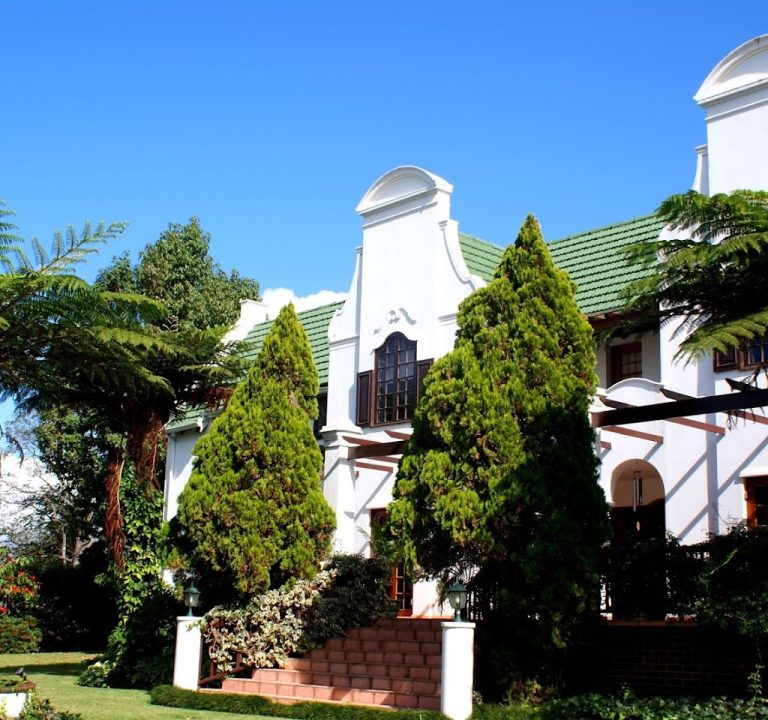
Staying in Kloof, KwaZulu-Natal: a guide to accommodation and local experiences
Nestled in the rolling foothills north-west of Durban, Kloof is a leafy, residential neighbourhood that provides a relaxed base for travellers seeking easy access to the city while enjoying a more tranquil rural atmosphere. The area offers a range of accommodation styles—from boutique B&Bs and guesthouses to self-catering cottages and small hotels—each with a distinct flavour that echoes the local landscape and South African hospitality. When planning a stay, consider what you want most: a cosy breakfast before a day of exploration, a pool for a sunny afternoon, or a quiet base from which to explore the surrounding valleys and reserves.
Areas to consider within or near Kloof include Kloof Village itself, with its village atmosphere and convenient access to local shops and eateries; the nearby Assagay and Waterfall regions, which offer more secluded, countryside settings; and the valley routes that lead into the Valley of a Thousand Hills. If you expect to spend time in Durban city or along the coast, staying in Kloof can cut travel time during peak hours and provide a calmer morning routine before heading out.
What to look for when booking a property in Kloof:
- Breakfast options and amenities: decide whether you want a dedicated breakfast service, or if you prefer a self-catering setup where you can prepare your own meals.
- En-suite bedrooms and privacy: many B&Bs offer comfortable, warmly decorated rooms with private bathrooms, while larger guesthouses may provide shared facilities or common lounges.
- Parking and security: check whether there is on-site parking and whether the property has secure access, especially if you plan to return late from day trips.
- Wi‑Fi and workspace: for travellers who need to stay connected, confirm reliable internet access and a practical workspace if required.
- Proximity to attractions and transport links: consider the distance to the Valley of a Thousand Hills, local nature reserves, and main routes to Durban, as well as transfer options or easy taxi access.
Typical amenities you may encounter in Kloof accommodation include wifi, private or shared lounges, and well-kept gardens that invite morning coffees on a veranda. Many bed & breakfast and guesthouse options feature personalised touches—from friendly morning chats to guided tips about the area. Some properties may offer seasonal outdoor pools, shaded outdoor seating, and laundry facilities for longer stays. If you are travelling with family, look for family-friendly rooms or suites, and inquire about child-friendly policies or play areas.
Transport and access: Kloof is well connected to Durban by road, making car hire a practical option for most visitors. If you prefer not to drive, several accommodation providers can arrange airport transfers or local shuttle services. For day trips, you’ll find simple routes into the city or into the nearby valleys, where scenic drives and short hikes are common. Public transport is available in the region, but a private vehicle often offers the most flexibility for exploring the surrounding countryside and less-travelled roads.
Best time to visit Kloof depends on preferences for weather and crowds. The region enjoys mild winters and warm summers. Summer (roughly November to March) can bring humidity and showers, which green the hills beautifully but may affect outdoor plans. Winter (May to August) tends to be dry and sunny, ideal for outdoor walks and scenic viewpoints. The hillsides are especially attractive after rainfall, when the landscape looks lush and vibrant. If you plan to enjoy long walks or outdoor breakfasts on a veranda, pack sun protection for the day and a light warm layer for cooler evenings.
What to plan around attractions and experiences (in general terms):
- Nature and scenery: the Kloof area is well suited to gentle hikes, birdwatching, and scenic drives through nearby reserves and valleys. Many properties offer direct access to gardens or short nature walks, and guides may be available locally for longer hikes.
- Cultural and scenic experiences: you’ll find opportunities to learn more about the local Zulu heritage and the surrounding landscapes through guided tours or viewpoint stops along the hills.
- Dining and refreshments: expect cosy eateries and local cafés in Kloof Village, with options ranging from light meals to hearty, home-style cooking. For broader choices, Durban offers a wide array of restaurants featuring regional South African and international cuisines.
- Shopping and essentials: local shops and markets within easy reach can supply fresh produce and provisions if you prefer self-catering or picnics during day trips.
Practical tips for a smooth stay:
- Book ahead, especially in peak holiday periods, to secure your preferred room type and breakfast options.
- Review cancellation policies and inclusions so you know what to expect if plans change.
- Confirm parking arrangements and access routes, particularly if you arrive after dark.
- Ask hosts about the best local day trips, viewpoints and driving routes to avoid heavy traffic and maximise your time.
- Pack for changeable weather: even in summer, evenings can be cooler in the hills, so a light jacket is useful.
For a stay that blends restful comfort with proximity to Durban’s energy and the region’s natural beauty, Kloof offers an inviting mix. A stay at a well-rated bed and breakfast or guesthouse—such as a charming, locally run option like Tilly Mouse’s Bed & Breakfast—can provide a warm, personalised welcome and easy access to both countryside explorations and city amenities. To plan your visit, you might explore regional tourism pages for up-to-date ideas on activities, dining options, and routes that suit your timetable and pace. Websites that focus on KwaZulu-Natal and South African regional travel can be useful starting points, offering practical guidance on where to stay and what to do in and around Kloof.