Accommodation and Attractions in Kloof, KwaZulu-Natal: A Traveller’s Guide to Planning a Stay
Nestled on the northern slopes of the Durban Hills, Kloof offers a relaxed base from which to explore the KwaZulu-Natal coast and inland landscapes. Its leafy avenues, convenient access to the city centre, and a selection of guesthouses, B&Bs and small hotels make it a popular choice for visitors who want comfort without the bustle of a larger town. When planning a stay in Kloof, balance location with the kind of amenities you value most, and consider how you will get around to make the most of your time here.
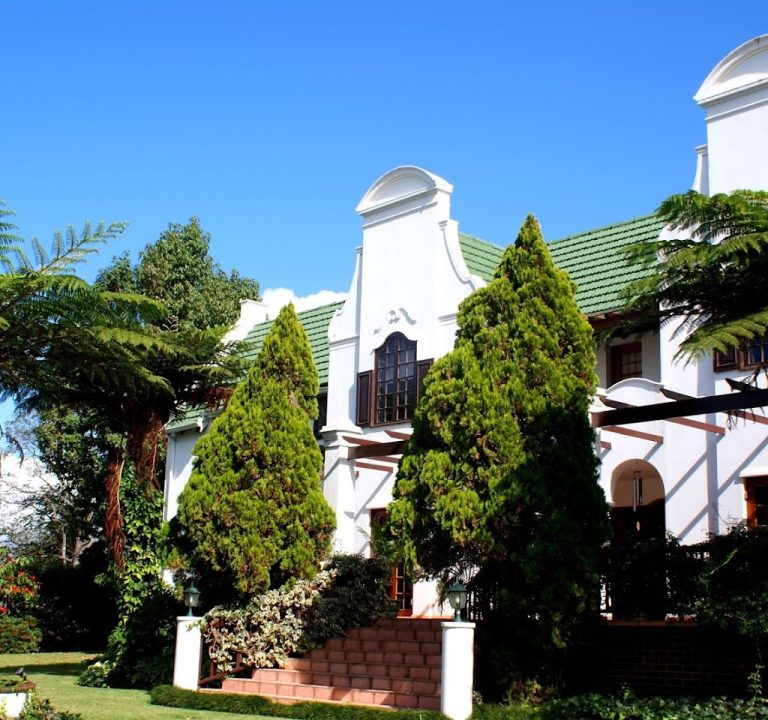
Accommodation in Kloof tends to cluster in a few distinct settings. The village fringe offers traditional B&Bs and guesthouses with personalised service and hearty breakfasts, often in charming, characterful buildings with garden spaces. There are also modern guesthouses and smaller boutique hotels set back from the main roads, sometimes with panoramic views over valleys or rolling hills. If you are travelling with family or a group, seek self‑catering options or larger suites, which can provide flexibility for meal times and social space after day trips. For a truly rural-urban blend, a stay in Kloof can feel like a countryside retreat while still being a short drive from central Durban, the Golden Mile beaches, and regional parks.
Key areas to consider when choosing where to stay include:
- Near the village centre, where easy access to cafés, shops and a handful of eateries is convenient for daily strolls.
- Along hillside lanes offering quieter, more secluded residences with views of the valleys and forested slopes.
- Close to main routes for straightforward day trips to coastal destinations such as Durban’s harbour, beaches and popular attractions, as well as to inland reserves for nature activities.
Typical amenities to look for include private en‑suite bathrooms, reliable Wi‑Fi, secure parking, and a generous breakfast service. Many B&Bs in Kloof emphasise thoughtful hospitality, with locally sourced ingredients, comfortable communal areas, and garden or balcony spaces where you can unwind after exploring the area. If you are travelling with pets or children, check whether properties allow four‑legged friends or offer family‑friendly layouts. Some places provide on‑site parking, shaded courtyards, and easy access to scenic walking trails nearby.
Transport in and around Kloof is straightforward but warrants a little planning. If you plan to rely on taxis or ride‑hailing, confirm that your accommodation can assist with bookings or provide guidance on the best options for the area. Several properties are a short drive from central Durban, making day trips by car efficient. If you intend to explore beyond Kloof, a hire car offers the most flexibility, especially for visiting natural reserves or coastal towns on the KwaZulu‑Natal North Coast. For those who prefer not to drive, check whether your stay includes guided tours or can arrange local shuttle services to popular day‑trip destinations. Public transport within and around Kloof is limited, so a plan for future journeys is wise.
The best time to visit Kloof depends on your preferences for weather and activities. The KwaZulu‑Natal region enjoys a subtropical climate, with warm summers and mild winters. Summer (November to March) brings longer daylight and lush, green scenery after rain but can also be humid with occasional afternoon storms. Winter (May to August) is typically mild and drier, with cooler mornings and comfortable daytime temperatures; this period can be ideal for scenic walks, forest trails, and enjoying indoor hospitality at B&Bs. Shoulder seasons—late spring and early autumn—often combine pleasant weather with quieter streets and better value for accommodation.
When planning your itinerary, consider combining a stay in Kloof with nearby attractions. The area’s proximity to the Durban hills and forested reserves makes it a convenient base for nature walks, birdwatching, and short drives to coastal beaches. For a relaxed day, enjoy a morning stroll through tree‑lined streets, followed by a leisurely breakfast at a guesthouse or local café. In the afternoon, you might explore scenic viewpoints, gardens, and local craft shops, before returning to your accommodation to unwind in its garden or lounge area. Dining options typically range from casual bistros and family‑run eateries to more refined restaurants showcasing farm‑to‑table produce and contemporary flavours—often adjacent to or within easy reach of your chosen stay.
Practical tips to enhance your stay:
- Book in advance during peak travel periods, especially weekends and school holidays, to secure preferred rooms and good breakfast options.
- Communicate any special requests (dietary needs, mobility considerations, quiet hours) ahead of arrival so your hosts can tailor the stay.
- Ask about local walking paths, safety considerations, and parking arrangements to optimise your days and reduce stress.
- Plan day trips with flexible timings—Kloof is a gateway to both nature and coastal destinations, so leaving some room for spontaneous stops can be rewarding.
- Pack comfortable footwear for hillside paths and shaded trails, and bring a light layer for cooler mornings or evenings.
In summary, a stay in Kloof offers a blend of restful accommodation, verdant scenery, and convenient access to Durban and the North Coast. Whether you prefer a traditional B&B experience with home‑cooked breakfasts, a modern guesthouse with contemporary comforts, or a small boutique hotel with tasteful interiors, you’ll find options that suit a range of budgets and travel styles. Plan thoughtfully, balance your time between nature and city conveniences, and you can enjoy a memorable KwaZulu‑Natal visit enriched by the tranquillity and beauty of Kloof.