Cape Town: Where to stay and how to plan a memorable visit
Cape Town is a city of contrasts, offering a mix of dramatic coastline, mountains, vibrant neighbourhoods and a welcoming hospitality scene. When planning a stay, consider choosing a neighbourhood that matches your style of travel—whether you want panoramic harbour views, easy access to beaches, or a compact base with culture and dining on your doorstep.
Popular areas to base yourself include the City Bowl for easy access to museums and nightlife, the Atlantic Seaboard for beaches and scenic drives, and Green Point or the V&A Waterfront for a waterside atmosphere and good transport links. For a wine-focused or relaxed rural feel, Constantia or the Durbanville area provide tranquil escapes just outside the city hustle. If colour and character appeal, don’t overlook Bo-Kaap and adjacent neighbourhoods for history, architecture and markets. Each area has its own rhythm, so plan a mix of days in the city and days to explore the coastline or winelands if your schedule allows.
When booking, think about how you plan to move around. Cape Town’s steep streets and scenic routes reward a car for flexibility, especially if you want to explore the Cape Peninsula or Constantia Valley at your own pace. If you prefer not to drive, look for accommodation with easy access to reliable public transport or a short ride from central hubs. Some areas offer dedicated shuttle services or organised tours that can simplify day trips to top sights.
Typical amenities to look for include a well‑equipped kitchen for self‑catering stays, strong Wi‑Fi, secure parking or access to safe street parking, hot water reliability, and good heating or cooling depending on the season. For families or groups, a separate living space and multiple bedrooms can be a practical feature. Check whether your hosts provide local guides, maps, and recommendations for self‑guided walks, markets and eateries—these can save time and reveal lesser‑known gems.
Self‑catering stays and boutique guesthouses often offer a warm, home-from-home feel with thoughtful touches. If you are aiming for a waterfront or harbour vibe, look for properties with balcony or terrace space to enjoy the views. For travellers prioritising sustainability, inquire about water-saving measures, energy-efficient appliances and recycling options. If you travel during peak season, book well in advance and consider flexible rates or slightly alternate dates to secure better availability and value.
Food and dining are central to Cape Town experiences. In addition to a wide range of casual bistros and stylish eateries, you can expect coastal seafood spots, farm-to-table cafés and international dishes in cosmopolitan hubs. When planning meals, you might choose a base near a vibrant street or market district to sample a variety of options without long travel times. For special occasions, many neighbourhoods offer access to acclaimed fine‑dining venues, while casual harbourside eateries provide relaxed settings with a sense of place.
Attractions span natural beauty, heritage, art and adventure. The area’s coastline offers dramatic drives and viewpoints, with opportunities for scenic walks, penguin colonies, and coastal hikes. Within city limits, you’ll find museums, markets, galleries and theatres reflecting South Africa’s diverse heritage. A short drive or organised trip can take you to iconic landscapes, wildlife reserves and wine experiences, balanced with restful afternoons in parks or waterfront promenades. When planning days out, consider whether you want viewpoint moments, guided tours, or self‑paced exploration, and align them with your energy levels and weather expectations.
To help you plan, here is a quick checklist of practical steps:
- Define your priorities: beach time, city culture, or winelands day trips.
- Choose 2–3 neighbourhoods to use as bases based on transport links and scenery.
- Assess kitchen facilities and laundry options if you’re staying in self‑catering accommodation.
- Check accessibility, parking, security arrangements and proximity to markets or eateries.
- Look for flexible cancellation policies in case plans change.
- Consider whether you want organised tours or complete independence.
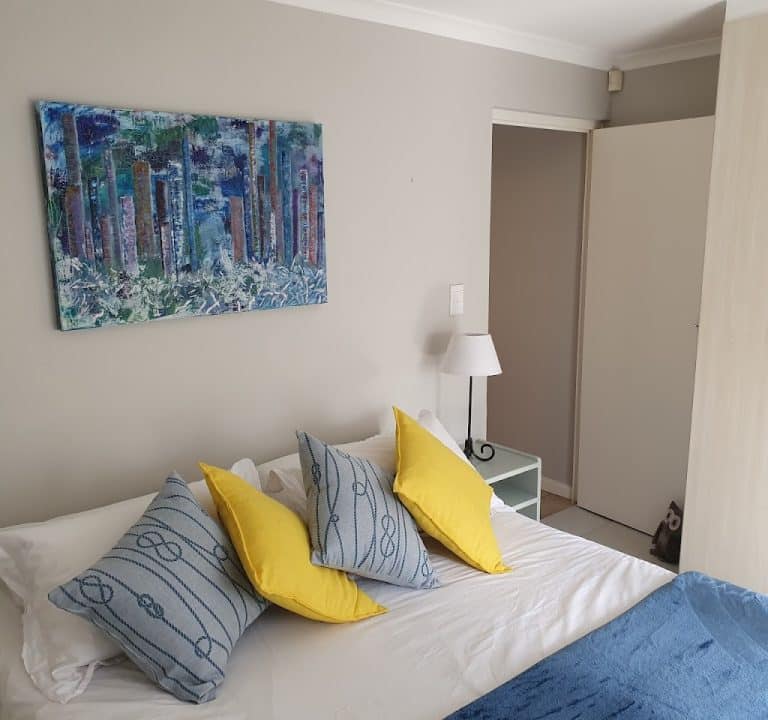
For a flavour of the local accommodation scene, you might encounter self‑catering options that emphasise comfort and privacy, with hosts who can share tips on hidden beaches, sunrise viewpoints, and markets worth exploring. An example is Tide & Time, a self‑catering option that illustrates how guests can enjoy a relaxed, home‑from‑home stay with convenient access toCape Town’s coastline and urban amenities. More information can be found at the listing page on the travel platform.
When it comes to planning a stay, think in terms of a balanced itinerary: a couple of days spent exploring the harbour and city sights, a day or two for a scenic drive along the Atlantic Seaboard, and perhaps a half‑day or full day dedicated to the winelands or the Cape Peninsula. Book accommodation that gives you a retreat after busy days, with quiet rooms, good privacy and a comfortable living area to unwind. Remember to check travel times between your base and the attractions you most want to visit, and allow for potential delays in peak travel periods.
Finally, remember that Cape Town is a city of contrasts but also of generous hospitality. By choosing a well‑located base, planning with flexibility, and prioritising comfort and practicality in your accommodation, you can enjoy a rewarding stay backed by easy access to outstanding scenery, friendly neighbourhoods, and a broad spectrum of experiences. For more information and to explore options, you can visit the listing page linked to with Tide & Time or similar self‑catering stays and plan a memorable Cape Town visit.