Accommodation and Experiences in Cape Town, Western Cape
Cape Town offers a diverse range of places to stay, from elegant hotels in the heart of the city to cosy guesthouses in scenic coastal neighbourhoods. When planning a visit, consider not only your budget but also the character of the area and how easy it will be to reach the sights you want to see. Whether you prefer a stylish boutique property with city views or a family-run guesthouse close to the beach, Cape Town has options that can suit most itineraries.
Areas to consider for a stay include the City Bowl, which puts you within walking distance of museums, markets and vibrant nightlife; the Atlantic Seaboard for sweeping sea views and quick access to beaches; and the iconic V&A Waterfront, where modern accommodation blends with harbour scenery and convenient transport links. For a quieter, more relaxed base, towns and suburbs such as Fish Hoek on the False Bay coast offer a different pace, with easy access to nature reserves and coastal walks. If a wine-focused break appeals, Constantia and nearby Constantia Valley provide verdant countryside settings within easy reach of the city, renowned for peaceful stays and cellar door experiences.
When booking, look for properties that clearly communicate accessibility, transport options and nearby amenities. A good hotel or guesthouse will outline parking arrangements, whether a shuttle service is available, and proximity to commuter routes or tram, bus or rail links. In coastal districts, check for on-site parking or secure access to ensure ease of arrival after sunset. For families or longer stays, request details about multi-room arrangements, laundry facilities and kitchen access or meal options. For solo travellers, consider properties with social spaces, guest information desks or staff who can offer tailored recommendations for day trips.
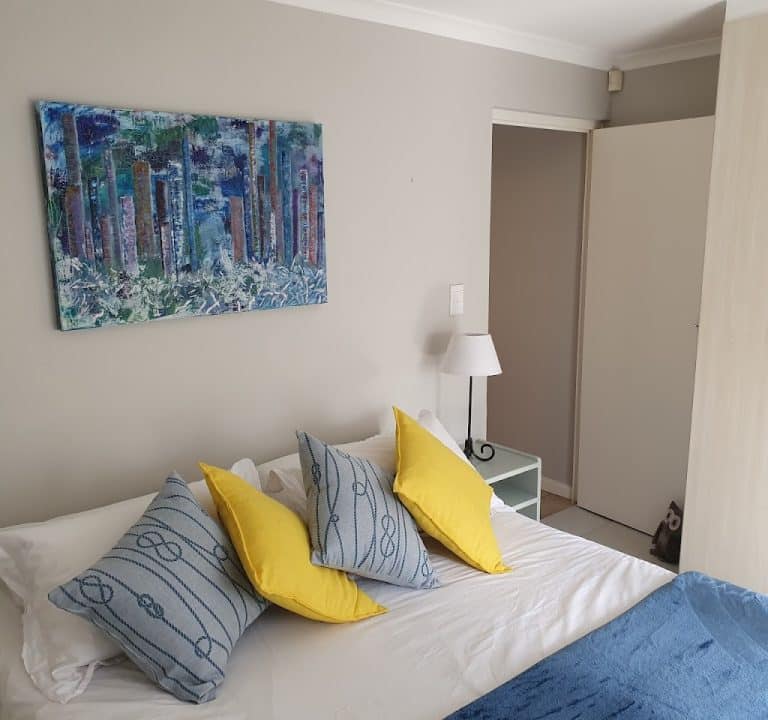
Typical amenities that can enrich a stay include reliable Wi-Fi, comfortable en-suite bathrooms, climate control, and generous communal areas. You may also encounter properties offering breakfast included, speciality coffee and tea facilities, and curated local guides. In some areas, you’ll find terraces, balconies or courtyards that maximise outdoor living—an appealing feature in a city famed for its scenery. For travellers seeking sustainability, enquire about energy use, recycling practices and water-saving measures. A view from a room or a balcony often elevates a stay, but equally important are quiet rooms, good soundproofing and well-maintained public spaces.
Transport is a practical consideration. Cape Town’s attractions are spread out, so assess whether your base is close to a lift, taxi service, or public transport routes. If you plan day trips to the Cape Point peninsular, the Cape Winelands, or Robben Island, look for property with easy access to major roads or a recommended tour operator. In urban settings, active travellers may enjoy staying within a short walk of shops, markets and restaurants, plus reliable ride-hailing options for late evenings. If you rent a car, confirm on-site parking availability and any access restrictions in busy neighbourhoods.
The best time to visit Cape Town depends on your priorities. The late spring to early summer period (October to December) brings long days and blooming landscapes, ideal for outdoor activities and hiking. The summer months (December to February) are lively, with warm weather suitable for beaches and harbour strolls. Autumn (March to May) offers mild conditions and quieter streets, while winter (June to August) delivers cooler days with the occasional rain shower—an excellent time for museum visits and more indoor experiences. Note that peak tourist months can see higher rates and fuller properties, so booking well in advance is often wise for popular areas and prime properties.
Top attractions and experiences in general terms include the iconic Table Mountain and surrounding nature reserves, pristine beaches along the Atlantic Seaboard and False Bay, and scenic drives to viewpoints and coastal towns. The V&A Waterfront area provides shopping and harbour views, while the historic Robben Island experience offers a cultural perspective on the city’s past. For gastronomy, Cape Town’s dining scene ranges from casual cafés near the shoreline to refined establishments offering seasonal menus with local produce. You’ll also find markets and street food that showcase South Africa’s diverse flavours, along with wine-tasting rooms in nearby valleys for day trips from the city.
Practical tips for a smooth stay:
- Confirm check-in and check-out times and whether there is flexibility for late arrivals.
- Ask about breakfast options, kitchen access and self-catering facilities if you prefer a self-contained stay.
- Check the neighbourhood’s safety profile and plan evening journeys back to your accommodation accordingly.
- Pack layers for variable coastal weather, plus sun protection for the beach and outdoor activities.
- If visiting with a car, verify parking arrangements and any tolls or local driving regulations.
When it comes to planning a stay near Fish Hoek or in any Cape Town suburb, balance your priorities between scenery, transport convenience and the pace you want to enjoy. Read recent guest reviews to gauge service quality and room comfort, and use official tourism sites to explore attractions and day trips. With thoughtful selection, you can tailor a stay that feels both relaxing and culturally enriching, every day offering something new to discover in this storied corner of the Western Cape. For ideas on places to stay and to help map your itinerary, you can explore reputable travel resources and official tourism pages linked below: Cape Town Tourism, SA-Venues.