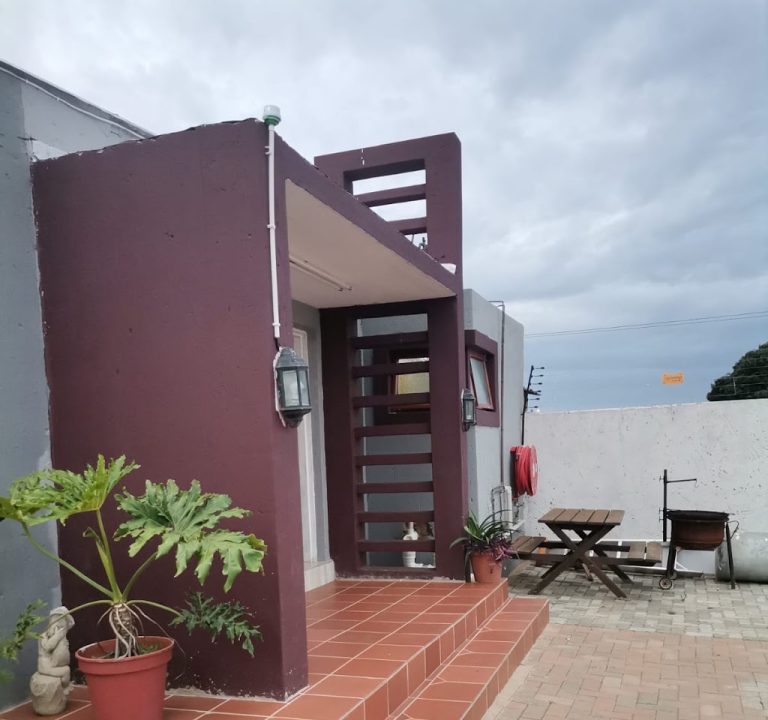
Soweto: Where to stay and what to explore in Gauteng
Soweto, a vibrant gateway to Johannesburg’s history and culture, offers a range of accommodation options that suit different budgets and style preferences. From boutique guesthouses tucked in tree-lined streets to family-friendly lodges with easy access to the city, planning a stay in Soweto can be as relaxed or as adventurous as you like. When choosing where to base yourself, consider how you want to move around, what neighbourhood atmosphere you prefer, and how close you want to be to key sites and walking tours.
Areas to consider for lodging include the central clusters around Orlando, Diepkloof, and Kliptown, each with its own character. Orlando West provides proximity to well-known heritage routes and lively markets, while areas closer to central Soweto can offer quick access to transport hubs and practical amenities. If you’re seeking a quieter residential feel, look for guesthouses or small hotels in suburban pockets that still offer easy taxi or ride-hailing access to the main sights. For many visitors, staying near a main thoroughfare with reliable transport links makes day trips and evening meals more convenient.
Typical amenities in Soweto accommodation range from comfortable en-suite rooms and continental breakfasts to self-catering facilities and secure parking. Many guesthouses and lodges emphasise a warm, homely atmosphere, with hosts who are keen to share practical tips about getting around, local dining options, and must-see stops. Look for properties that offer clean, well-maintained rooms, reliable hot water, and good security measures. If you plan to explore at night, inquire about transport arrangements or on-site parking, and check whether the property arranges guided tours or transfers.
Convenience and accessibility are often tied to transport arrangements. The most practical approach for many visitors is to base themselves near a major bus or taxi route, or to book accommodation that can help organise transfers from the city centre or the airport. In Soweto, a combination of rideshare services, local minibus taxis, and organised tours can cover most itineraries. It helps to ask about near-by pickup points or if the property can arrange trusted drivers for day trips to larger attractions or markets. If you plan to visit the central business district or suburbs with cultural centres, ensure you have a clear sense of travel times, particularly during peak traffic periods.
Best time to visit Soweto tends to be flexible, with pleasant temperatures in the shoulder seasons. Spring and autumn offer comfortable daytime heat and cooler evenings, ideal for outdoor markets and walking tours. Summers can be lively with occasional showers, while winter mornings can be crisp but sunny. If you’re particularly interested in live music, street food, or cultural events, align your stay with local venues’ schedules and open-air markets. Much of Soweto’s charm is tied to neighbourhood life, so a stay that lets you stroll, chat with residents, and sample affordable meals is often the most rewarding.
When planning your itinerary, a balanced mix of heritage sites, vibrant markets, and local dining is ideal. You might structure a day around a guided walking tour that highlights historical milestones and street art, followed by an afternoon exploring craft stalls or a food court that showcases informal eateries. For evening meals, look for venues that offer traditional-inspired dishes alongside contemporary twists, and be open to recommendations from hosts or residents. While restaurants and cafés can vary greatly in style and price, the emphasis in Soweto remains on hospitality and community atmosphere rather than formal fine dining alone.
Practical tips for a smooth stay:
- Book accommodation with clear guest policies, secure access, and concise directions from major transport hubs.
- Ask hosts about local safety recommendations and the best time to explore particular neighbourhoods.
- Carry small change for local markets and street vendors who may not accept card payments.
- Bring a light jacket for cooler evenings, even in warmer months, and comfortable walking shoes for uneven streets.
- Plan a couple of half-day explorations rather than trying to cover too much in a single day.
For those seeking a taste of the local culture, Soweto is rich with experiences that connect visitors with communities. While specific attractions and dining options can vary, visitors should look for guided tours that include authentic stops and storytellers who can illuminate the area’s complex history and its ongoing cultural vibrancy. Rather than large-scale attractions, the most memorable experiences often come from friendly introductions, live music venues, and markets where traders share stories as they sell handicrafts and snacks. Many accommodation providers curate recommendations and may arrange short, informative tours that respect the community and its pace.
Finally, a practical note on planning and staying connected. Bring a map or rely on offline navigation if data access is limited, and confirm any included breakfast or meal options with your host. A well-chosen Soweto base should feel welcoming, secure, and connected to the broader Johannesburg area, with straightforward routes to the airport, main shopping districts, and the city’s transport network. With thoughtful planning, a stay in Soweto can be both comfortable and deeply rewarding, offering a meaningful glimpse into South Africa’s past and its dynamic present.