Soweto: Accommodation, attractions and a flavour of local life in Gauteng
Soweto, standing just to the south-west of central Johannesburg, offers a compelling mix of history, culture and contemporary South African energy. When planning a stay, consider how you want to experience the area: whether you prefer a quiet, homely bed & breakfast in a residential neighbourhood, or a more sociable guesthouse close to the activity of township streets. Both can provide comfortable rooms, friendly hosts and practical insight into daily life beyond the tourist trail.
If you’re choosing a place to stay, look for properties that offer a genuine sense of welcome and a knowledgeable host who can help you navigate the area. A well-run B&B or guesthouse often includes breakfast with local flavours, safe parking, reliable Wi‑Fi, and tips on public transport or easy taxi arrangements for evenings out. For some visitors, staying in a family-run guesthouse near Vilakazi Street offers convenient access to core sights while still feeling part of the community. Other parts of Soweto, such as residential zones a short drive away, can also provide a quiet base with easy access to main roads into Johannesburg.
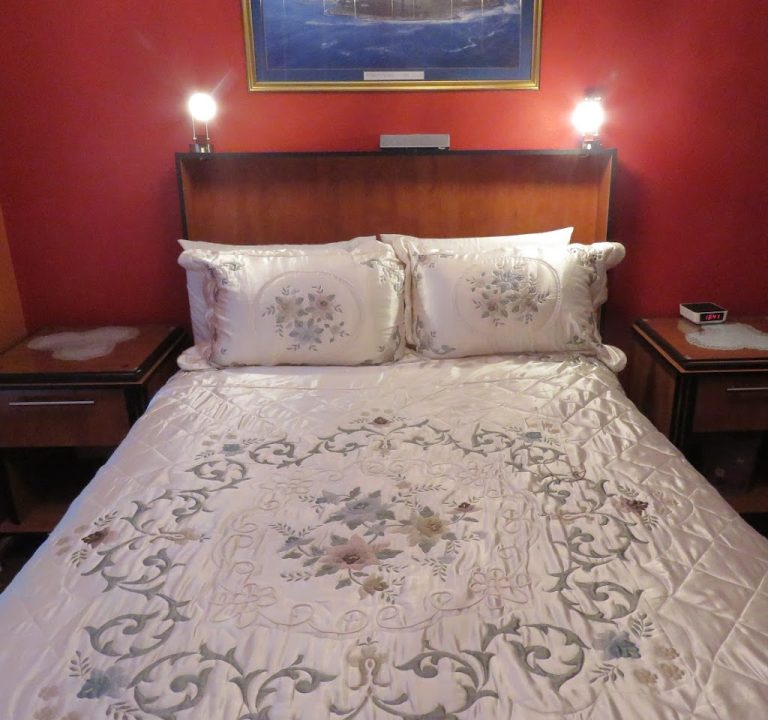
Typical amenities to expect include comfortable beds, clean en-suite or shared bathrooms, and common spaces where guests can chat or relax. Some guesthouses and small hotels can arrange guided walks, cultural experiences, or short tours that shed light on the area’s layered history. If you’re travelling with family or a group, check whether the property can accommodate multiple guests in a single unit or offers connecting rooms. Storage for luggage, secure parking, and public transport information are all helpful when planning a day out in Soweto.
Transport options in Soweto range from local taxi services to ride-hailing apps, with some areas connected by commuter routes into central Johannesburg. For visitors who want to combine city visits with a taste of township life, staying near main routes and easy-to-reach transport hubs helps reduce daily planning time. If you enjoy the outdoors, ask hosts about safe walking routes or short, guided excursions that reveal parks or viewpoints with views across the township landscape. Remember to have a copy of a map or a route plan, and to negotiate a price or confirm a fixed fare before hiring a driver for longer trips.
The best time to visit Soweto tends to align with South Africa’s seasons. Dry, mild months are generally pleasant for city exploration and outdoor meals, while the warmer, wetter months bring lush greenery and afternoon thunderstorms. Each season has its own charms: winter can be crisp and comfortable for walking, while spring and autumn offer light crowds at popular sites. If you’re planning to attend any local events or markets, check ahead for seasonal schedules and opening times, as some venues operate on more limited hours outside peak periods.
When planning a stay, consider areas to focus on based on interests. Vilakazi Street is famed for its historical associations and lively atmosphere, making it a convenient base for visitors who want to walk to several cultural sites and small eateries. For a calmer pace, look for guesthouses in quieter residential pockets where hosts can offer personal recommendations and arrange authentic meals—often a highlight of a stay in Soweto. If you’re drawn to a day trip to central Johannesburg or the city’s northern suburbs, staying near main arterials or transport hubs can minimise travel time and maximise time for sightseeing.
Sample planning tips
- Choose accommodation with good reviews for cleanliness, helpful hosts, and clear transport guidance.
- Ask about breakfast options, including whether traditional local dishes are available and sourced ingredients.
- Request directions to key sights and practical tips on safe travel in and around Soweto after dark.
- Check if the property can arrange a guided walk or a short, authentic cultural experience nearby.
Where to base your stay: beyond the historic core, consider a guesthouse that offers a comfortable home-from-home feel in a residential area. This can provide a more relaxed pace, with hosts who know the best places to sample traditional dishes, enjoy a sunset view, or visit a community project that welcomes visitors.
Attractions and dining in general terms: Soweto is rich with heritage sites, museums and community-led initiatives that tell the story of resilience and creativity. Visitors typically mix a few core sights with time to wander the streets, browse markets for crafts, and sample informal meal spots offering local flavours. Dining options range from simple, wholesome meals to seasonal dishes prepared with regional produce. Rather than fixed itineraries, allow room for serendipity—the small conversations with locals, a detour to an informal gallery, or a pause at a courtyard cafe where the day’s chatter drifts through the air.
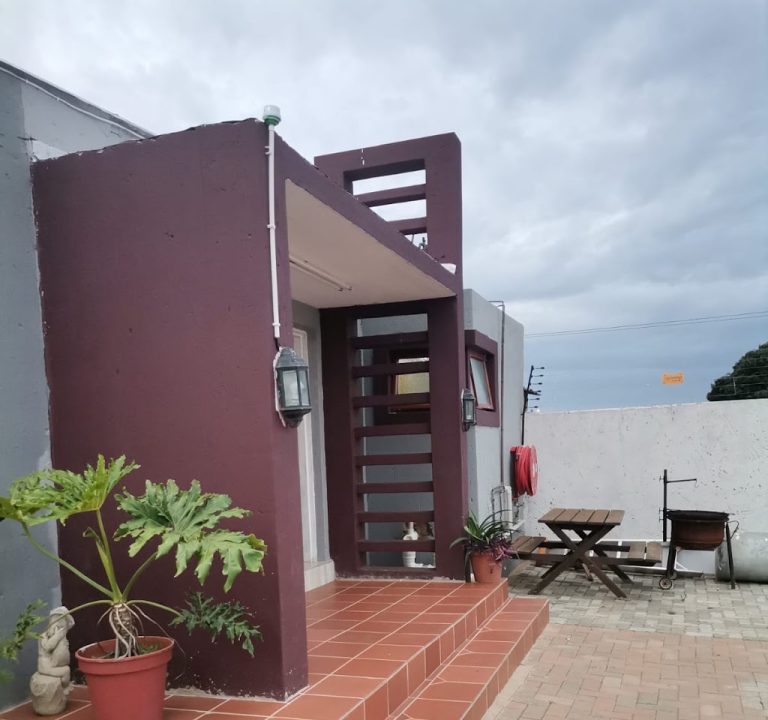
For accommodation inspired by Soweto’s spirit, consider a bed & breakfast such as Rukza's guest house, which can provide a flavoursome introduction to local life through the welcome of a family-run guest space. While specific services vary, such stays typically balance comfortable rooms with hospitable hosts who can help tailor your days to include both historical insights and current community experiences. If you are researching options, browse guest reviews and the property’s own description to understand what makes a stay in Soweto both convenient and meaningful, then plan around a mix of guided experiences and independent exploration. Website information, where available, can offer further practical details about location, transport links and nearby facilities.