Staying in Soweto: accommodation, neighbourhoods, and what to do
Soweto, in Gauteng, offers a rich mix of history, culture and warm hospitality. When planning a stay, consider choosing a base that puts you within easy reach of the main sites while providing a comfortable, authentic experience. Guest houses, B&Bs and boutique lodges in Soweto range from modest, family-run properties to stylish, modern retreats. An stay can be both convenient and immersive if you balance location, safety, and the level of interaction you prefer with local hosts.
Areas to consider include the northern townships where many guest houses cluster near major thoroughfares and transport links. Closer to the historic and cultural zones, you’ll find lodges and B&Bs that offer breakfast and personalised service, often with hosts who can arrange guided walks, cultural tours and recommended eateries. If you value a quieter setting, look for properties a short drive from the most-travelled corridors, while still staying within easy reach of Soweto’s highlights by taxi, rideshare, or organised tours.
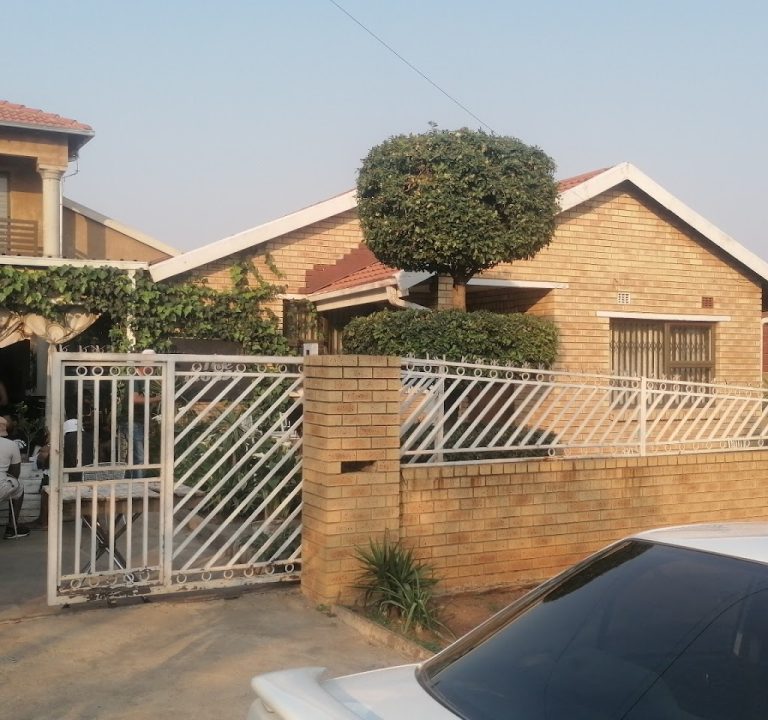
When booking, verify the essentials: secure entry, on-site parking if you’re driving, and access to reliable transport options. Read recent guest reviews to gauge consistency in service, cleanliness and support from hosts. Note the level of self-catering versus full board, as well as whether morning meals are included, since breakfast can be a highlight of a stay in Soweto. Clarify policies on check-in times, late arrivals, and whether staff can assist with arranging day trips or authentic experiences with local guides.
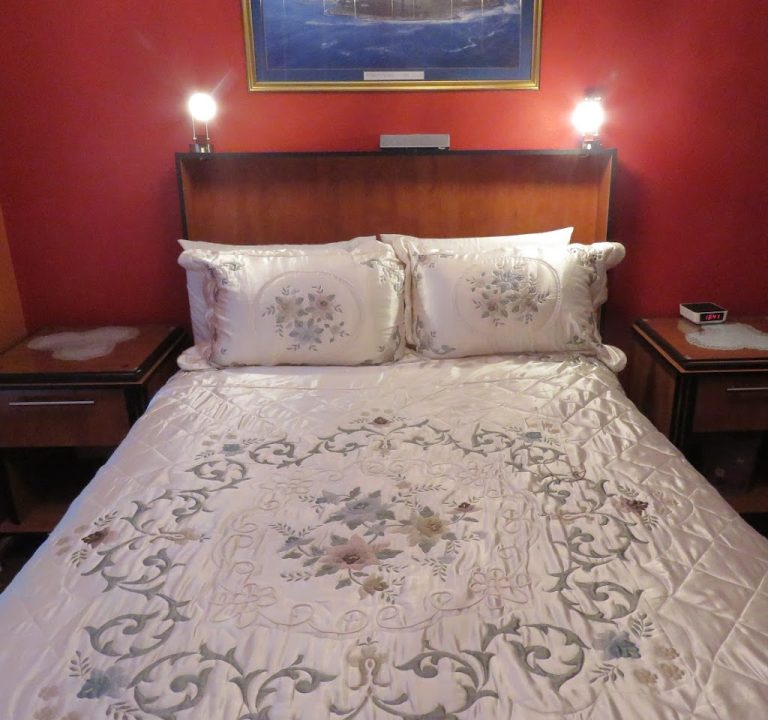
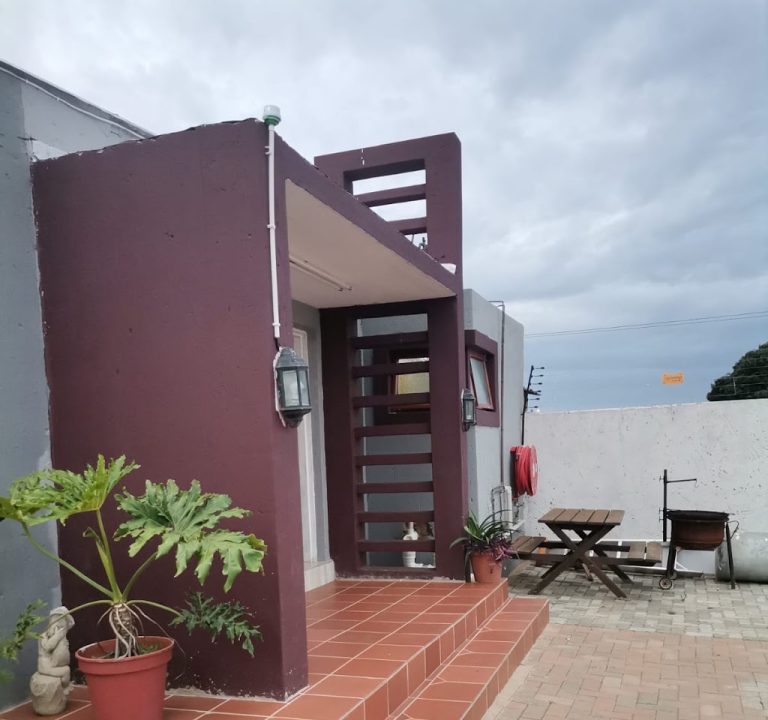
Typical amenities you may encounter include comfortable rooms with en-suite bathrooms, clean linen, and daily housekeeping. Many properties offer free Wi‑Fi, a communal lounge or courtyard, and shaded outdoor spaces perfect for sipping coffee before venturing out. Some guest houses provide secure parking, garden areas, and insider tips on public transport routes or private transfer options. If you’re seeking a cultural focus, look for hosts who can arrange or recommend walking tours, visits to local markets, or conversations with long-standing residents about the township’s history and day-to-day life.
Transport is a practical consideration. Soweto is well served by road networks and taxi routes, but traffic can be heavy at peak times. A convenient accommodation choice is one with easy access to major roads or near a taxi rank or bus route. Rideshares are common in the area, and some hosts can help arrange private transfers for day trips to central Johannesburg or other nearby attractions. If you enjoy walking, you may prefer a location close to core cultural sites or markets, but be mindful of safety and personal belongings, especially after dark. Always confirm the best way to reach your planned venues with your host or tour operator.
The best time to visit Soweto generally aligns with mild, dry periods in the Gauteng region. Spring and autumn offer comfortable daytime temperatures for outdoor exploration, while summer can bring occasional showers. Winter is typically cool but still pleasant for daytime sightseeing. Consider aligning your stay with any local events or markets to maximise your cultural experiences, while also budgeting for electricity and water contingencies in some neighbourhoods during periods of load shedding. Your host can offer practical tips on planning around these factors.
In addition to the accommodation, there are many engaging experiences to consider. Visitors often enjoy learning about Soweto’s past through guided walks, museum visits, or community-led storytelling sessions. Markets, street food stalls, and casual dining options provide opportunities to sample local flavours in informal settings. For a balanced itinerary, mix cultural education with time for relaxation at your lodging, whether that’s a sunny courtyard, a quiet garden, or a comfortable lounge with a book or a favourite drink.
When planning meals, you’ll find a range of options from simple, home-style breakfasts at guest houses to casual eateries serving traditional South African dishes. Look for venues and hosts that emphasise a welcoming, neighbourhood atmosphere and offer authentic, uncomplicated menus. If you have dietary preferences, most hosts can advise on suitable options nearby or can accommodate reasonable requests when possible.
Example accommodation in Soweto may feature a guest house or B&B with a guest-centric approach, offering a personal welcome and local insights. For a stay with a dedicated online presence, you can explore dedicated hospitality pages that highlight room types, breakfast offerings, and nearby attractions. One such example is Botle Guest House B&B, which maintains a simple, guest-focused profile online to help visitors understand what to expect during their stay. For further details and the latest information on availability and services, you can visit their official page at Botle Guest House B&B.
To maximise your Soweto stay, consider a short, flexible plan that includes a mix of guided experiences and independent exploration. A practical itinerary might feature a neighbourhood stroll in the morning, a curated cultural site visit or museum afternoon, and a relaxed, late-afternoon meal at a local eatery. Always leave some time in your schedule for spontaneous discoveries—the best flavour of Soweto often comes from conversations with residents, market hues, and friendly faces along the way.
- Choose accommodation with a clear emphasis on safety, convenient transport access, and genuine hospitality.
- Look for hosts who can arrange or facilitate authentic cultural experiences and guided introductions to local areas.
- Plan your transport in advance, especially for evenings, and discuss ride options with your host or accommodation staff.
- Prepare for variable network access and basic amenities; confirm breakfast and self-catering options when booking.
- Check seasonal considerations and plan around local events to enrich your visit.