The Wild Fig is a Guest house establishment in Cape Town, Western Cape, South Africa
The Wild Fig Guesthouse, Durbanville, Cape Town
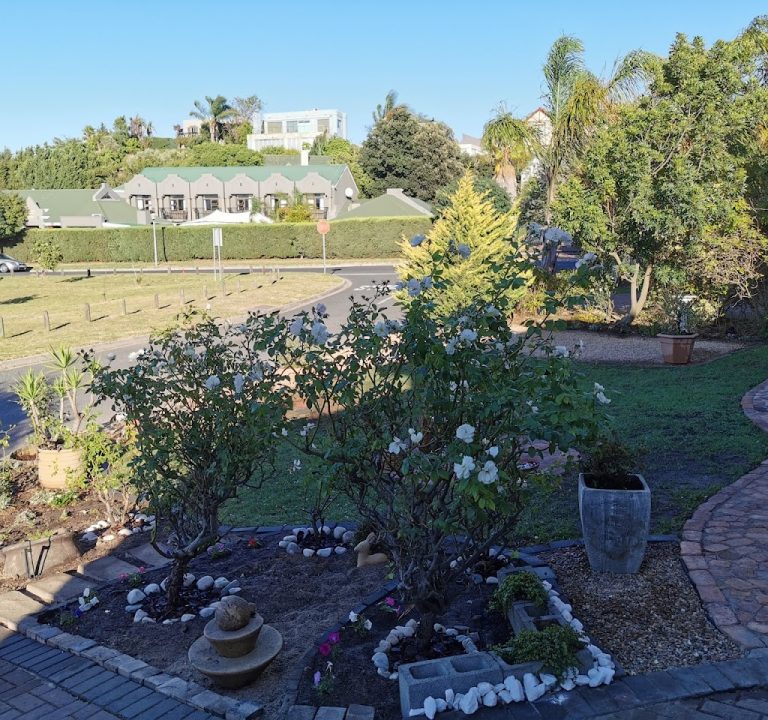
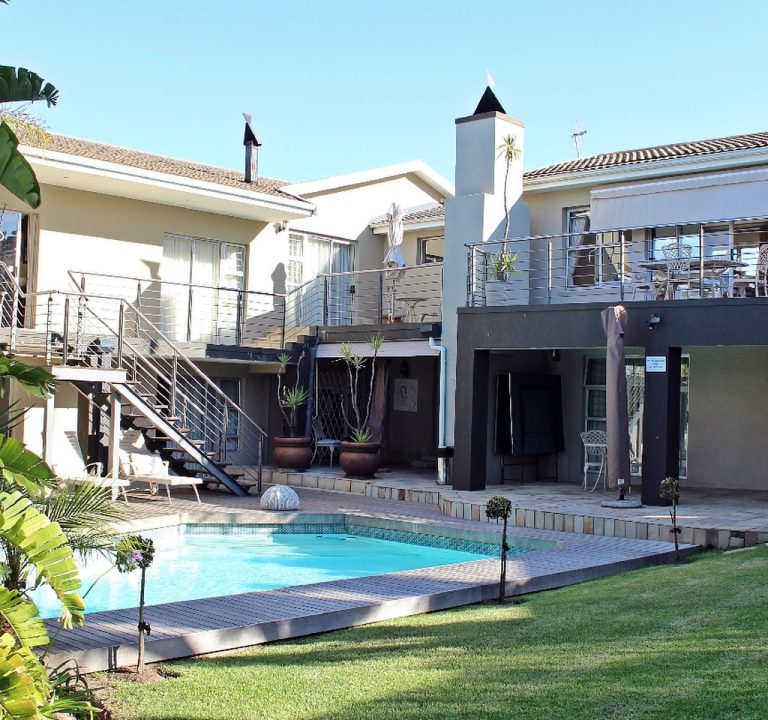
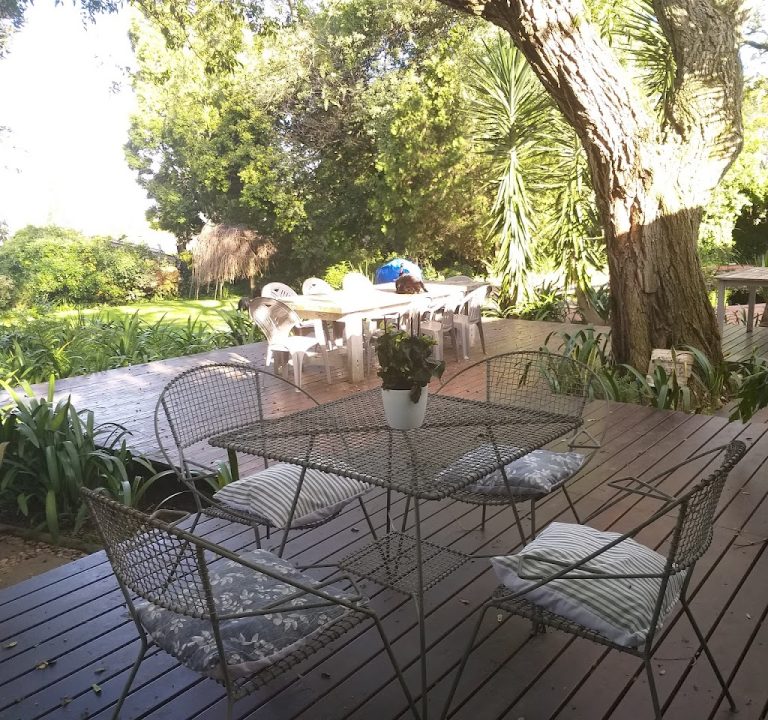
Set in a quiet residential enclave within Eversdal, The Wild Fig Guesthouse offers a private, relaxed base for visitors exploring the Western Cape. Housed on a private residence, the guesthouse presents a peaceful sanctuary framed by a lush garden and a notable Wild Fig tree. It is positioned to attract travellers who value a home-from-home atmosphere while remaining within easy reach of city and countryside highlights.
The property divides into two distinctive units designed to cater to different stay preferences. A two-bedroom guest suite provides ample space for groups or families, featuring comfortable, well‑appointed rooms that overlook a large patio and the surrounding greenery. For guests seeking independence and self-sufficiency, the one-bedroom garden apartment offers a private, self-catering option with views across the garden. Each unit reflects a neat, uncluttered style that emphasises comfort and practicality, making it suitable for short breaks or longer stays.
Guest comfort is supported by practical amenities designed for contemporary travellers. WiFi is available to support remote working or streaming needs, ensuring that guests can stay connected while enjoying the tranquil surroundings. Breakfast can be arranged upon request, presenting a convenient option for those who prefer a leisurely start to the day without venturing far from home base. The overall atmosphere is described as private and relaxed, with guests able to wake to birdsong from the garden and enjoy the natural ambience of the fig tree and lush greenery.
The location places The Wild Fig within a convenient radius of essential amenities and travel hubs. The guesthouse is situated in a quiet neighbourhood, yet it sits within about 1 kilometre of several shopping centres, offering easy access to everyday goods and conveniences. For wine enthusiasts, the Durbanville wine route is within reach—an appealing draw for day trips and tastings in the region renowned for its boutique wineries and scenic vineyard landscapes. The broader Cape Town area is accessible within roughly 25 kilometres, making it feasible to combine a restful stay at The Wild Fig with visits to city attractions, beaches, and additional countryside experiences. The drive to Stellenbosch is similarly straightforward, opening up opportunities for winery tours, restaurants, and charming town exploration.
In terms of nearby travel considerations, the guesthouse is positioned about 13 kilometres from Cape Town International Airport, which helps to streamline arrivals and departures for travellers seeking a straightforward start or end to a Western Cape itinerary. While the property focuses on a peaceful, guesthouse experience, its proximity to major routes and amenities ensures that guests can balance downtime with explorations of nearby highlights and more distant destinations.
Who might find The Wild Fig particularly appealing? It suits travellers who value privacy and a relaxed home-away-from-home feel, whether visiting as a couple, a small family, or a small group seeking a comfortable base for exploring Durbanville’s wine country and the greater Cape Town region. The two-bedroom suite accommodates groups seeking shared living space with private sleeping areas, while the self-catering garden apartment offers independence and flexibility for guests who prefer to manage meals themselves or simply enjoy a quiet, private setting.
Booking tips and practical insights help shape a smooth stay. The property makes the most of its garden and birdlife, with an inviting atmosphere that suits those who appreciate natural surroundings alongside convenience. For travellers who need to stay connected or work remotely, the available WiFi supports essential online tasks. Breakfast, when arranged, adds a touches of convenience without requiring a full dining plan. The close proximity to shopping centres and the Durbanville wine route invites shared day trips or relaxed afternoons exploring local shops and vineyards. With major attractions within a short drive, guests can easily structure a mix of restful time at The Wild Fig and excursions into Cape Town’s urban scene or the Cape Winelands.
- Two-bedroom guest suite with garden views (sleeps 2 accommodation options highlighted)
- One-bedroom private garden apartment with self-catering facilities
- Quiet neighbourhood setting on a private residence
- Lush garden with notable wild fig tree and birdlife
- WiFi available for remote work or online needs
- Breakfast available on request; self-catering option available
- Close to shopping centres, Durbanville wine route, and Cape Town city centre
- Approximately 13 km from Cape Town International Airport
For more details or to arrange a stay, prospective guests can visit The Wild Fig’s official website to explore the two available units, check current availability, and view location highlights. The site provides practical information on how the guesthouse integrates into a Durbanville-base itinerary, balancing tranquil accommodation with convenient access to urban amenities and vineyard experiences.
Cape Town
Western Cape
7550
South Africa


Staying in Cape Town: a guide to accommodation and getting the most from your visit
Cape Town is a city of contrasts, where sweeping ocean views meet rugged mountain scenery, and lively neighbourhoods blend with peaceful residential suburbs. When planning a stay, consider the variety of areas in and around the city—from the bustling City Bowl and the stylish Atlantic Seaboard to the wine-rich suburbs of the northern reaches and the tranquil leafy precincts of the southern suburbs. Each area offers a different pace and access to attractions, dining and activities, so choosing the right base can shape your whole trip.
Accommodation options range from boutique BnBs and guest houses to stylish hotels and self-catering apartments. In Cape Town and the Western Cape, many guest houses offer a personal touch, with hosts who can advise on local experiences, routes for scenic drives, and off-the-beaten-path dining. Facilities commonly include private ensuite rooms, Wi‑Fi, and sometimes self-catering options or breakfast on request. If you need to balance work and travel, look for reliable Wi‑Fi, comfortable workspaces, and convenient locations near transport links or car hire hubs.
When choosing where to stay, consider the following:
- Proximity to your planned activities—Table Mountain, Robben Island tours, and the V&A Waterfront are popular anchors, but many visitors also enjoy day trips to the Cape Winelands or Cape Point. A stay near major transit routes or hiring points can save time.
- Quiet versus nightlife—city centre neighbourhoods tend to be busier, while suburban areas can offer quieter evenings and a more residential atmosphere.
- Self-catering versus full board—self-catering units provide flexibility for early starts and casual meals, whereas BnBs offering breakfast can simplify mornings before a day out.
- Family-friendly versus romantic escapes—look for family suites or multi-room units, as well as couples’ retreats with comfortable living spaces and private outdoor areas.
One example of a guest house in the area is a property situated in the Durbanville neighbourhood, known for its proximity to the renowned wine route and easy access to central Cape Town. Such a property typically offers a choice between a two-bedroom suite and a self-catering one-bedroom garden apartment, with features like a lush garden, on-site parking, and complimentary or paid breakfast options. Modern conveniences—Wi‑Fi suitable for remote working, clean and well-kept accommodation, and attentive hosts—are common traits, helping guests feel at home while exploring the Cape region. For those travelling by air, the distance to Cape Town International can influence your transport plan, with a choice of private transfers are to be arranged or convenient taxi services nearby.
Typical amenities to look for include reliable Wi‑Fi, a private entrance or dedicated workspace, comfortable beds with quality linens, and climate control suitable for Cape Town’s changing seasons. Outdoor spaces such as gardens or patios are a big plus, particularly if you enjoy morning coffee with birdsong or an evening wind-down in a tranquil setting. If breakfast is offered, check whether it is continental, full English-style, or a light option, and whether there are options for special dietary needs.
Transport in Cape Town is convenient but not universal. If you’re staying in the city centre or along the Atlantic Seaboard, rideshares, bicycles, and on-foot explorations can work well. For broader explorations such as the Cape Winelands, Cape Point, or the Cape Peninsula, renting a car provides the most flexibility. Always check parking provisions at your accommodation, as some areas have limited street parking or require a permit. If you prefer public transport, plan ahead for MyCiTi bus routes and the possibility of scenic rides on the coast, but be prepared for occasional delays and variable schedules outside peak hours.
The best time to visit Cape Town depends on your priorities. Summer (roughly November to March) offers long days and ideal beach conditions, with more outdoor events and strolling opportunities along the waterfront and the city’s promenades. Winter (June to August) brings cooler weather and occasional rain, which is still a good time for museums, galleries, and the vibrant food scene, often with quieter streets and lower accommodation rates. Spring and autumn offer mild temperatures ideal for hiking Table Mountain or exploring the coastal parks, with fewer crowds than the peak season.
When planning an itinerary, mix outdoor adventures with culinary discoveries. In addition to cosmopolitan dining options along the waterfront and in the city bowl, the surrounding areas offer relaxed eateries and markets that celebrate local produce. Look out for seasonal menus, farm-to-table concepts, and wine-tasting experiences that showcase the Western Cape’s famed products without needing to venture far from your base. If you enjoy unique stays, consider properties that blend guest comfort with a sense of place—often hosts can point you toward hidden gems in the wider Cape Town region.
For more information about specific stays and to explore options like the example guest house mentioned above, visiting the property’s website can be helpful. You’ll often find details on room configurations, nearby attractions, and practical planning notes that complement guidebook wisdom and hotel reviews. Whether you’re seeking a quiet garden apartment for a week of remote work, or a two-bedroom suite as part of a longer family holiday, Cape Town offers a range of traveller-friendly options to suit most itineraries. The key is to align your accommodation choice with your pace, your interests, and your practical needs, so you can enjoy the best that the Mother City and its surroundings have to offer.
Sorry, no records were found. Please adjust your search criteria and try again.
Sorry, unable to load the Maps API.
Why Claim Your Listing?
Claiming your listing on the B&B Finder directory website is a valuable opportunity for business owners. Here are five reasons why you should consider claiming your listings:
Control Over Business Information: By claiming their listing, business owners can ensure that all the information presented is accurate and up-to-date. This includes details such as contact information, address, pricing, and available services or amenities. Accurate information helps prevent customer confusion and improves overall satisfaction.
Enhance the Listing: Once a listing is claimed, owners can enhance it by adding more comprehensive information and rich media, like high-quality photos and videos. These additions can make the listing more attractive and engaging to potential customers, thereby increasing the likelihood of bookings.
Marketing Opportunities: Claiming a listing can also open up additional marketing opportunities. Owners may be able to participate in promotional campaigns, special offers, and other marketing activities organized by the directory. This can increase visibility and attract more customers to the business.