Cape Town: Accommodation planning, neighbourhoods and experiences in the Western Cape
Capable of suiting a wide range of tastes and budgets, Cape Town offers a rich tapestry of places to stay, from intimate guest houses to contemporary boutique hotels and family-friendly lodges. When planning a visit, think about how you want to spend your days: whether you’ll be channelling your adventures from a central hub in the city, or base yourself along the dramatic Atlantic Seaboard with easy access to beaches and scenic drives. A well-chosen neighbourhood can set the rhythm of your whole trip, so it’s worth weighing options like City Bowl for nightlife and museums, the V&A Waterfront for convenience, Constantia for lush scenery and wine, or Cape Town’s Atlantic corridor for sun-washed beaches and dramatic coastlines.
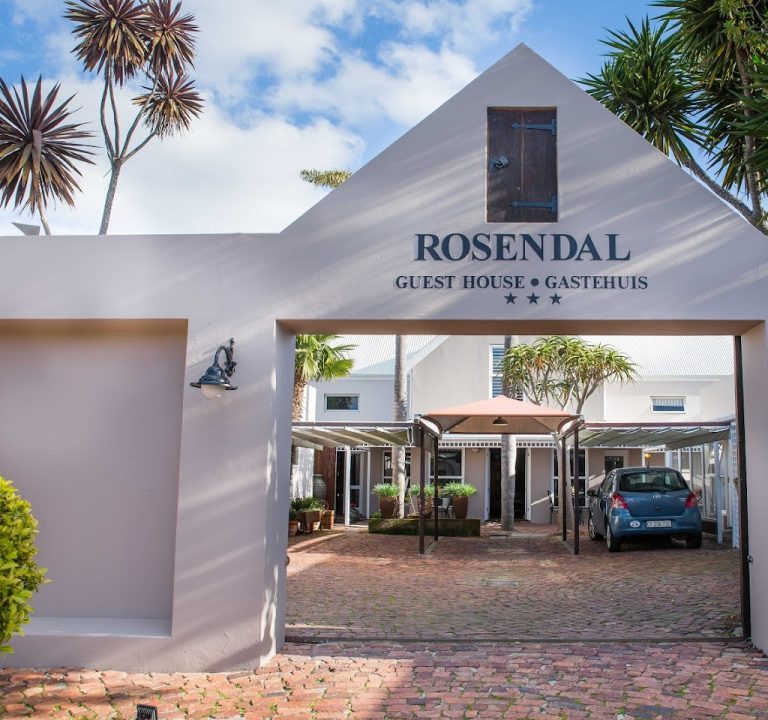
For a stay that blends comfort with convenience, consider a guest house such as Tygerview Guest House, which exemplifies the approachable charm of smaller properties. These establishments often offer a more personalised experience, with hosts able to share local tips on routes, markets, and day trips, while still providing reliable amenities such as private en-suite rooms, free Wi‑Fi, daily housekeeping, and on-site parking. If you prefer something with a modern edge, look for hotels that balance stylish interiors with practical features like reliable breakfast options, friendly reception staff, and accessible public transport links.
When booking, clarity about location and transport is key. Cape Town’s top sights are widely dispersed, so a central or well-connected base can save you time. The city is served by a network of buses, along with ride-hailing options, and a growing number of hotels provide shuttle services or easy access to major routes. If you’ll be driving, ensure your accommodation offers secure parking and easy ingress to main roads leading to the Table Mountain National Park, the Constantia Valley, and the scenic Atlantic coastline. For walkers and cyclists, choose a neighbourhood with well-lit streets, pleasant promenade routes, and proximity to cafés or markets where you can pause for a snack or a restorative cup of coffee.
Typical amenities you might expect include a comfortable bed with quality linens, a private bathroom, and climate control. Breakfast is a standout feature at many guest houses and small hotels, ranging from light continental options to full cooked spreads with fresh fruit. In-room extras such as a tea-and-coffee station, a mini-fridge, an iron, and a safe can make a significant difference on longer stays. Thoughtful touches—like an outdoor seating area, a pool, or a cosy lounge—enhance relaxation after a day spent exploring one of the world’s most dramatic cityscapes. If you need flexibility, look for properties offering late check-in, express check-out, or the ability to arrange packed lunches for day trips.
Seasonality shapes value and crowd levels. Cape Town’s peak season runs during the European summer months and around major holidays, when higher occupancy can mean fuller streets and popular attractions. If you’re seeking calmer conditions and potentially better rates, consider the shoulder seasons of spring (September to November) and autumn (March to May). The city’s climate tends to be warm and dry in summer, with cooler, wetter winters; packing layers will help you enjoy outdoor activities year-round, from coastal walks to mountain hikes.
Planning the “must-do” mix depends on interests. Iconic natural highlights await: a guided ascent or cable ride around Table Mountain can offer panoramic views, while a walk through Kirstenbosch National Botanical Garden reveals Cape flora against a dramatic backdrop. The Cape's coastline is studded with beaches and viewpoints, from wind-sheltered bays to rugged headlands. For culture and history, districts such as Bo-Kaap offer colourful architecture and stories, while the Victoria & Alfred Waterfront provides a lively focus for dining and harbour views. Food lovers can explore markets and eateries that emphasise fresh seafood, local produce, and vibrant Afro-urban cuisine. While we won’t list specific venues here, you’ll find a spectrum of options near most well-serviced neighbourhoods, with many venues offering menus that celebrate the region’s seasonal harvests.
- Check guest reviews for practical details such as noise levels, access to public transport, and ease of parking.
- Ask hosts about neighbourhood highlights, seasonal festivals, and reliable day trips that fit your pace.
- Consider staying near a MyCiTi bus route or a GPS-friendly hub to simplify itineraries around the city and to surrounding attractions.
- Pack sun protection, a light waterproof layer, and comfortable walking shoes for hilly streets and coastal paths.
- Respect local guidelines at nature reserves and coastal zones, and be mindful of peak tourist times to avoid long queues at popular viewpoints.
To plan ahead, visit official tourism resources for Cape Town and the Western Cape, which provide practical visitor information, suggested itineraries, and seasonal insights. Booking platforms often enable easy comparisons of room types, breakfast options, cancellation policies, and access to property maps so you can picture your stay before arrival. For dining and experiences, you’ll encounter diverse neighbourhoods and culinary scenes, with restaurants and markets offering everything from light tapas to hearty, globally influenced dishes. With thoughtful planning, your Cape Town stay can be both restorative and exhilarating, set against a backdrop of incomparable landscapes and welcoming hospitality.