Gqeberha: Accommodation, Attractions and Practical Tips for a Memorable Stay
Gqeberha, formerly Port Elizabeth, sits along the eastern Cape’s coastline and offers a relaxed yet vibrant base for exploring the region. Whether you prefer a chic city-centre stay, a beachside retreat, or a cosy guesthouse in a leafy neighbourhood, there are plentiful options to suit a range of budgets and sensibilities. The city’s hotels, B&Bs and guesthouses are well suited to travellers who value proximity to the coast, convenience for exploring the undulating coastlines, and easy access to neighbouring wildlife attractions.
Areas to consider when choosing where to stay include the beachfront and nearby seaside suburbs for easy access to sandy stretches and ocean views; the harbour and city centre for nightlife, dining and cultural experiences; and the more residential districts inland for a quieter, often more intimate stay. Humewood and the Beachfront offer direct sea glimpses and walkable access to beaches, while Walmer and Newton Park tend to provide a practical mix of shopping, cafés and calmer streets. For a more polished, artsy atmosphere close to cafés and boutiques, Sidwell’s and Richmond Hill are popular choices. In all cases, nearby transport links and parking arrangements are worth confirming before booking.
When booking accommodation in Gqeberha, look for a few key features. A comfortable bed and quiet rooms are essential for a restful stay, as are reliable Wi‑Fi and adequate实 bedside lighting. Check whether the property offers on-site parking or easy access to safe public transport, as some streets can be busy or busy at peak times. Consider value-added amenities such as included breakfast, access to a small kitchen or communal lounge, and facilities for families or business travellers. If you’re planning to explore with a car, a property with easy road access and clear directions from major routes will save time. For longer visits, ask about laundry facilities, luggage storage, and late check‑in options.
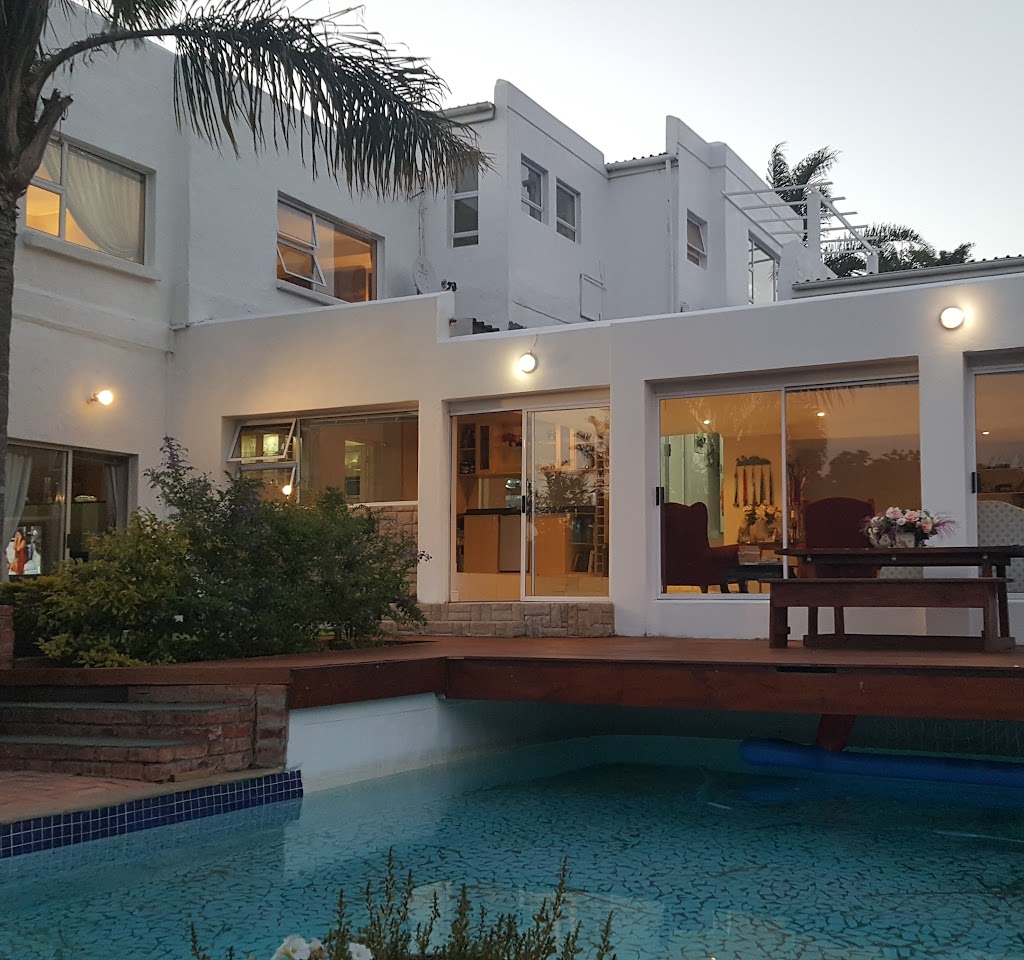
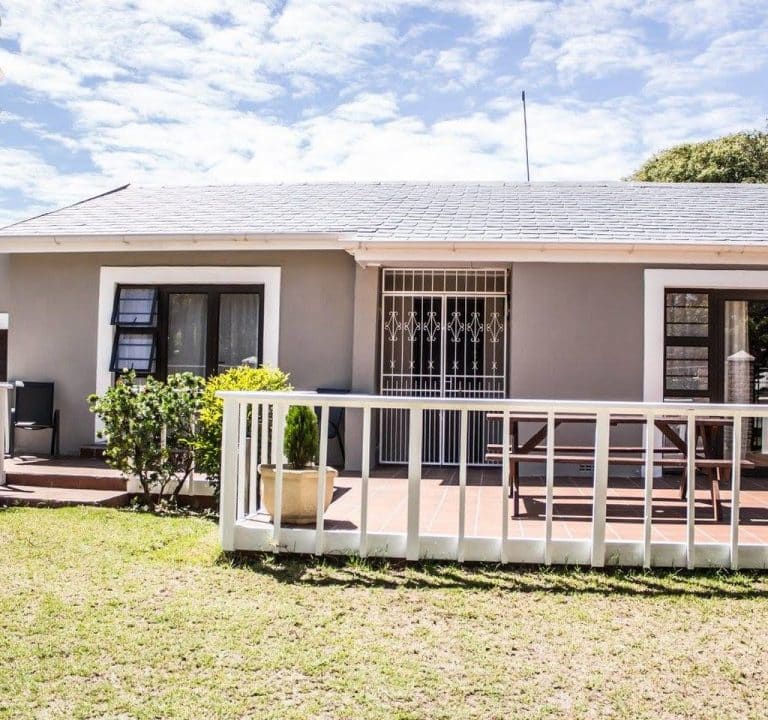
Typical accommodation types you’ll encounter include boutique B&Bs with personalised service, guesthouses that strike a balance between homely hospitality and practical comforts, mid-range hotels with on-site dining, and smaller lodges perched on coastal fringes. Many properties emphasise a relaxed, friendly vibe and offer tips on local eateries, markets and day trips. It’s common to find rooms featuring en-suite bathrooms, tea-and-coffee facilities, and air conditioning, with some places offering sea views or gardens to enjoy at dawn or dusk.
Transport is an important consideration. Within Gqeberha, a car gives you the most flexibility to explore beaches, nature reserves and nearby towns, but public transport and rideshare options are increasingly available. If you plan to visit Addo Elephant National Park or other wildlife experiences outside the city, a rental car or organised day trip is usually the most convenient option. When staying in the city, you can often stroll to cafés and markets, but plan for the occasional taxi or ride-share ride after late dinners or theatre outings.
Best time to visit Gqeberha is typically during the late spring to autumn months (roughly September to April), when milder coastal breezes and longer daylight hours enhance outdoor pursuits. Summer brings warmer temperatures and lively beachfront scenes, while the winter months are cooler and more relaxed, with many attractions operating comfortably in shoulder-season conditions. If you’re seeking active outdoor days, the coast offers swimming, surfing and coastal walks, while nature lovers can arrange trips to nearby reserves with a guide. Weather in the region can be changeable, so packing layers and a light waterproof layer is wise.
Accommodation planning tips to help you get the most from your stay:
- Think about what you want to do most: a beach-front base makes sea access easy, while a central location suits walkers who prefer cafés, markets and museums within a short stroll.
- Check what is included in the rate: breakfast, parking, and access to kitchen facilities can add real value to your stay.
- Review cancellation policies and flexibility, especially if your plans may change with the weather or season.
- Consider accessibility needs, such as stairs, lift access, and bathroom fittings, if relevant.
- Read recent guest reviews for practical insights about noise levels, cleanliness, and the friendliness of staff.
Beyond where you sleep, Gqeberha’s dining and social scenes offer a welcoming introduction to the Eastern Cape. You’ll find casual eateries serving coastal-inspired fare, farm-to-table options highlighting local produce, and busy markets where fresh seafood, baked goods and regional flavours are on display. Many restaurants showcase modern takes on South African favourites, with menus that change with the seasons. For a fuller sense of the city, pair your meals with a stroll along the promenade or a sunset walk along the beaches, where local spots often blend dining with ocean vistas.
Practical tips for visitors include keeping a light itinerary with flexible plans to enjoy the city at a comfortable pace, especially if you’re staying in areas with good walkability. Have a rough plan for day trips to the broader Eastern Cape—perhaps to wildlife reserves, colonial towns or coastal towns within easy driving distance. When in doubt, ask hosts or front desk staff for suggestions on transport options, weather-appropriate gear, and hidden-gem eateries—local knowledge is often the key to a richer stay.