Staying in Gqeberha: accommodation options, planning tips and local highlights
Gqeberha, formerly known as Port Elizabeth, sits along the Eastern Cape coast with a temperate climate, golden beaches and a welcoming mix of urban and natural attractions. When planning a stay, many visitors choose a base close to the waterfront and city centre, or opt for a quieter neighbourhood a little further afield. The variety of self-catering apartments, guesthouses and hotels makes it easy to tailor your trip to family holidays, couple getaways or work-related stays.
Areas to consider for your base include the beachfront belt around Humewood and Summerstrand, which offers easy beach access, scenic walks and a straightforward route to the city’s main attractions. Walmer and Mill Park provide convenient access to shopping, business districts and coastal walks, while Central and Newton Park offer a more compact, walkable town‑centre experience with a mix of dining, shops and heritage sites. For travellers seeking a calmer ambience, a stay in a quieter suburb or a self-catering property with a garden can provide a restful retreat after busy days exploring the coast or the nearby nature reserves.
Accommodation across Gqeberha ranges from self-catering apartments and boutique B&Bs to larger hotels and guesthouses. When booking, look for properties that clearly state the following: comfortable, well‑maintained bedrooms with adequate storage; reliable hot water and efficient heating or cooling; clean bathrooms with practical amenities; and a functional kitchen or kitchenette if you plan to self-cater. If you favour staying near the sea, request a room or apartment with a view of the ocean or at least easy access to a balcony or outdoor space. For families, check on-site facilities such as a pool, kiddies’ corner, and secure parking. If you’re travelling for business, ensure there is reliable Wi‑Fi and a suitable desk area.
Typical amenities common to many options include self-contained kitchens or kitchenettes, laundry facilities, free parking, and laundry services for longer stays. Some properties offer additional perks such as shuttle services to the airport or central business district, organised day trips, or storage for luggage after check‑out. It’s worth confirming whether household essentials are supplied, including clean towels, mid-stay linen changes, and basic cooking supplies. If you’re exploring on a budget, look for properties that offer flexible breakfast options or shared kitchen facilities to keep costs down while enjoying local produce from nearby markets or supermarkets.
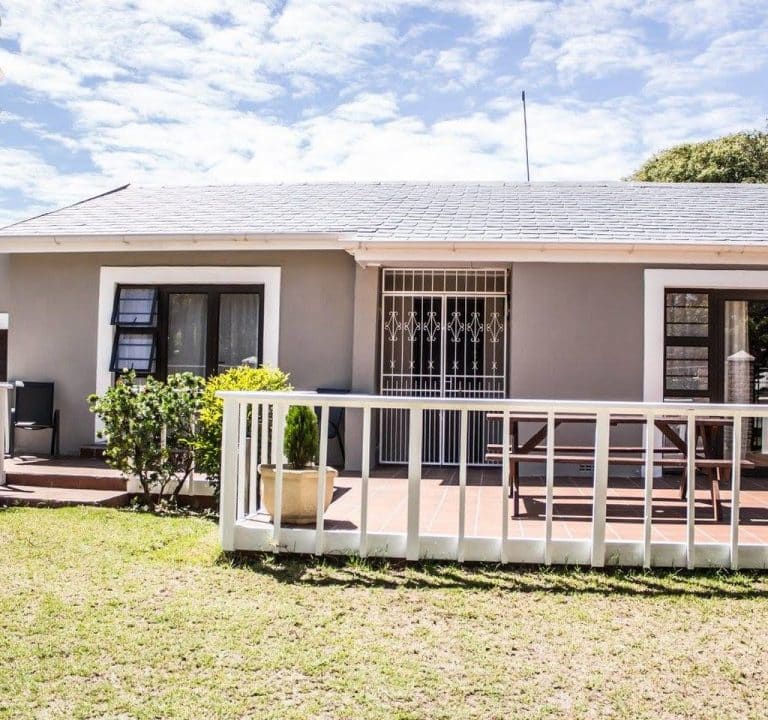
For those who prefer a dedicated rental experience, one example of a self-catering option is The Apartments on Risa. Such properties typically combine the convenience of a private apartment with access to shared amenities and the freedom to plan meals around your itinerary. When researching, review guest reviews for practical details such as the ease of check‑in and check‑out, noise levels, and the responsiveness of host or management teams. If you have specific needs—such as easy access for mobility devices, pet‑friendly arrangements, or a fully equipped kitchen—confirm these in advance to avoid surprises upon arrival.
Transport around Gqeberha is straightforward if you are driving or renting a vehicle, and most areas are accessible via the N2 and surrounding roads. If you’re not bringing a car, many hotels and guesthouses offer airport transfers or connect you with local transport services. Consider staying a short walk from the promenade or a ride away from the city centre to reduce dependence on taxis. In coastal areas, a stroll to the beach or a scenic drive along the shoreline is a wonderful way to start or end the day. If you plan longer day trips, leave time for traffic fluctuations and consider a hire car with a reliable driver or trusted tour operator for rural explorations beyond the city limits.
Best time to visit typically aligns with the Southern Hemisphere seasons. Spring and autumn offer milder weather for outdoor activities and exploration, while the summer months bring longer days for beach time and coastal walks. Winter tends to be cooler and more suited to museums, galleries, and indoor experiences. Pack layers, sun protection for days on the coast, and a light rain jacket for occasional showers. If you’re visiting in peak season, it’s wise to book accommodation several months in advance to secure your preferred area and preferred room type.
Things to plan into a visit include a coastal promenade or beach walk, visits to nearby nature reserves or wildlife experiences, and days exploring cultural centres and local markets. For food enthusiasts, many visitors enjoy sampling casual eateries near the beachfront and in commercial districts, where menus often highlight seafood, grilled meats and fresh produce. Restaurant experiences here tend to favour relaxed, family‑friendly atmospheres rather than formal fine dining, so you’ll typically find generous portions and a focus on sharing dishes and local ingredients. When booking dining, consider venues that offer outdoor seating or views of the ocean, particularly for sunset meals after a day of sightseeing.
To make the most of your stay, keep a flexible itinerary that allows for weather‑dependent activities such as beach time, outdoor safaris at close-by reserves, or a scenic drive along coastal roads. Check the latest visitor information and regional tourism guides for updates on openings, seasonal events and any local tips that can help you plan efficiently. By choosing a well‑located base, verifying essential amenities, and arranging transport that suits your plans, you’ll be set for a comfortable and memorable stay in Gqeberha.
- Areas to consider: beachfront (Humewood/Summerstrand), Walmer, Mill Park, Central, Newton Park
- Booking tips: confirm kitchen facilities, storage, heating/cooling, Wi‑Fi and parking
- Planning tips: assess transport options, best seasons for outdoor activities, and nearby day trips