Accommodation and Experiences in Cape Town: Where to Stay and What to Do
Cape Town, perched between the Atlantic Ocean and the iconic Table Mountain, offers a diverse mix of neighbourhoods, styles of accommodation and experiences. When planning a stay, it helps to think about what you want to be close to: the dramatic coast, the city’s cultural precincts, or verdant suburbs with easy access to vineyards and hill trails. Whether you favour a boutique guesthouse with personalised service, a mid‑range hotel with solid amenities, or a modern apartment with a sea view, there are options to suit most itineraries and budgets.
Areas to consider include the City Bowl and CBD for easy access to dining, nightlife and museums; the Atlantic Seaboard (including areas such as Camps Bay, Bakoven and Clifton) for beaches and sunsets; the V&A Waterfront for convenience and harbour views; and Constantia or the Southern Suburbs for a quieter, leafy stay with easy access to wine estates. If you’re travelling with family or seeking a scenic base for day trips, a guesthouse or lodge close to Table Mountain National Park or the Constantia Valley can be ideal. For fewer crowds and more self‑contained options, look to the northern suburbs or the lesser‑visited Atlantic Seaboard backstreets.
Typical amenities to look for when booking include reliable WiFi, comfortable air‑conditioning or heating, complimentary breakfast, secure parking, and a well‑equipped workspace if you need to catch up on emails. Many properties in Cape Town offer en‑suite bathrooms, generous wardrobes, and balconies or terraces with views. A pool can be a welcome feature in warmer months, while a kitchenette or a self‑catering option gives you flexibility for longer visits. If you’re visiting during peak season, early booking is advisable, and some properties offer flexible cancellation policies to accommodate travel plans that might shift with weather or events in the area.
Transport is a practical consideration. In Cape Town, you’ll typically have several choices: self‑drive to explore on your own timetable, arrange private transfers, or use ride‑hailing apps and rental cars. If you plan to stay in the city centre or along the Atlantic Seaboard, many guests rely on taxis or apps for evenings out, with daytime mobility easier via public transport or walking routes in pedestrian‑friendly areas. If you wish to venture to wine estates or the Cape Peninsula, a car provides the most freedom, though guided tours or organised day‑trips can be convenient for a relaxed itinerary. Some accommodations provide shuttle options or partnerships with reputable tour operators, which can simplify planning.
Best time to visit Cape Town generally spans from late spring to early autumn in the Southern Hemisphere. The late spring and summer months (roughly November to February) offer longer days, sunnier weather and excellent coastal conditions, ideal for beaches, coastal hikes, and outdoor dining. Autumn (March to May) brings pleasant mild weather and fewer crowds, while winter (June to August) can be cooler and rainier, which suits museum visits, wine‑tasting tours, and cosy evenings indoors. Pack layers: mornings on the coast can be cool, with warmer afternoons when the sun is out. If you plan outdoor activities, always check local forecasts and be mindful of sea conditions on the Atlantic coast.
Attractions and experiences span natural beauty, culture, and cuisine. Outdoor highlights include table‑top views from scenic trails, coastal viewpoints along the Atlantic Seaboard, and nature reserves offering hiking routes for varying abilities. Cultural experiences can range from markets, galleries, and small museums to guided tours that illuminate Cape Town’s history, architecture and diverse communities. Dining in Cape Town runs the gamut from casual seaside eateries to refined restaurants that showcase South African and international flavours. In general terms, you can expect fresh seafood, global influences, and approachable bistro‑style venues where reservations are advised during peak seasons. If you’re staying in a guesthouse or boutique hotel, staff can often recommend popular neighbourhood spots and hidden gems that suit your taste and budget.
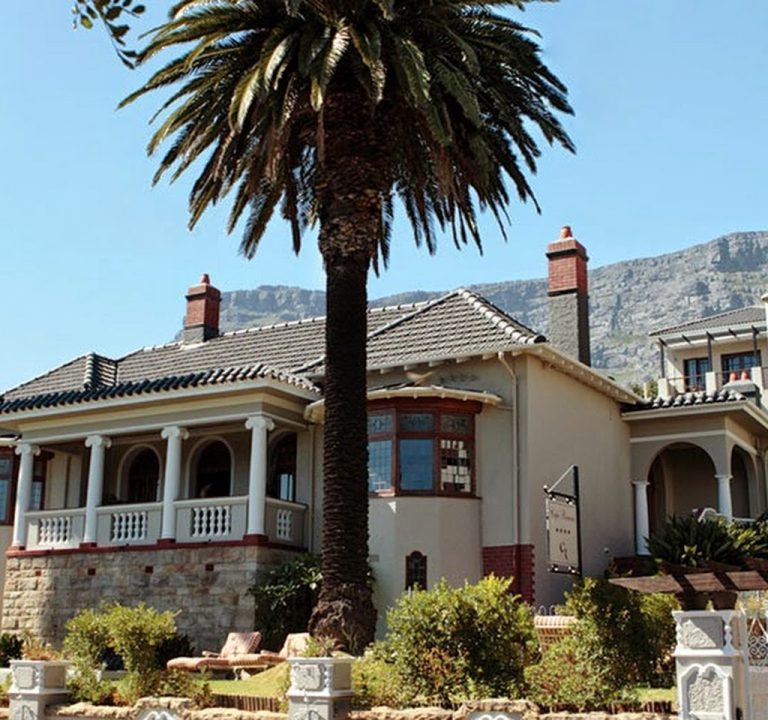
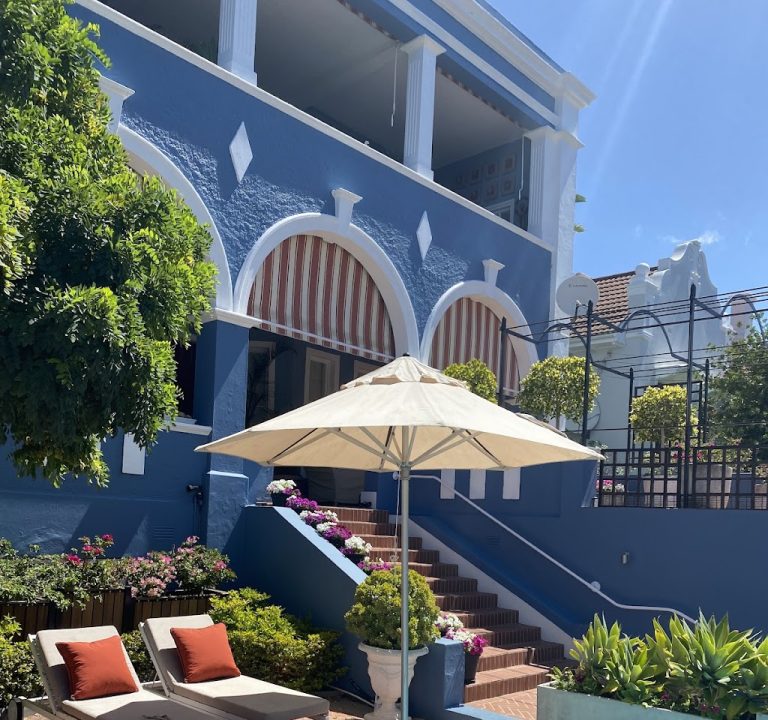
One example accommodation style you might encounter is a guest house or small hotel with a focus on personalised service and local touches. For a stay at a place like The View Guest House, guests typically find a well‑located base that combines comfortable rooms with attentive hosts, and a backdrop of memorable views. When evaluating such properties, consider factors like the proximity to your planned activities, the readiness of reception and staff to assist with bookings, and whether breakfast or other meals are included. If you value a more self‑cufficient setup, look for options offering private entrances, kitchenette facilities or in‑room amenities that suit longer stays.
Practical tips to plan effectively:
- Research neighbourhoods in advance and map out your essential sites, dining, and transport needs to avoid backtracking.
- Read recent guest reviews for insights on cleanliness, staff helpfulness, and noise levels.
- Check access details for stairs or lifts if mobility is a concern, and confirm parking arrangements if you are driving.
- Verify what is included in the rate, such as breakfast, housekeeping frequency, and whether amenities like a pool or gym are available.
- Book activities through trusted operators or your accommodation concierge to ensure reliability, especially for popular tours and tasting experiences.
- Plan a balanced mix of sightseeing, beach time, and relaxed days to avoid travel fatigue.
Cape Town rewards curious travellers with a blend of natural splendour, urban energy and culinary discovery. By choosing the right area, understanding essential amenities, and planning transport and activities thoughtfully, you can craft a stay that feels both effortless and enriching. Whether you’re chasing panoramic sea views, mountain adventures, or easy access to markets and eateries, Cape Town offers a hospitable canvas for a memorable South African sojourn.