Cape Town: Where to stay, what to do, and how to plan your visit
Cape Town offers a vibrant mix of neighbourhoods, dramatic scenery and a calendar of activities that suit all travel styles. When planning a stay, consider the character of each area and how easy it is to access the sights you want to see. From harbour-front hotels to leafy guesthouses and contemporary boutique stays, the city provides a range of options that can be matched to different itineraries and budgets.
Popular neighbourhoods for accommodation include the V&A Waterfront and the central City Bowl, both convenient for exploring the metropolitan pulse, dining and nightlife. The Atlantic Seaboard corridors, including Camps Bay and Clifton, are ideal for beach lovers and those seeking dramatic coastal views. Constantia offers a quieter, green setting with easy access to wine estates and hilltop vistas, while Green Point and De Waterkant provide a breezier, modern vibe close to cafés and transport links. For a more historic flavour, Bo-Kaap adds colour and culture to your stay, with easy routes to the city’s galleries and markets.
In choosing where to stay, look for a balance between location and comfort. Key considerations include proximity to MyCiTi bus routes or reliable rideshare access, the availability of parking if you plan to hire a car, and the pace of the neighbourhood. Some properties emphasise an on-site restaurant, a small pool or sun terrace, and generous breakfast options. Others specialise in self-catering facilities, making them well suited to longer visits or family trips. If accessibility is important, verify lift access and ground-floor rooms where applicable. Calmer, residential areas can offer a more relaxed stay, while busy hubs provide immediate access to nightlife and markets.
Typical amenities to look for include secure parking or good public transport links, free Wi‑Fi, air conditioning or ceiling fans, and thoughtful touches such as laundry facilities or a well-equipped kitchenette. Many guesthouses and hotels in Cape Town also feature generous communal spaces, balconies or terraces with city or ocean views, and friendly staff who can offer personalised tips for day trips or private tours. If you intend to stay longer, consider a property with a kitchenette or a little living space so you can unwind after a day of sightseeing without needing to eat out for every meal.
Transport planning is essential. While many main sights are accessible on foot in central areas, longer trips—such as a visit to the Cape Peninsula, the wine lands, or Table Mountain’s viewpoints—will benefit from a car or organised tours. In the city, Uber and other ride-hailing services are commonly used, with some hotels offering shuttle services or recommendations for reputable local operators. If you prefer public transport, the MyCiTi bus network links major hubs and is a convenient way to travel between the city centre, the V&A Waterfront, and other tourist pockets.
The best time to visit Cape Town often depends on weather and crowds. Spring (September to November) and autumn (March to May) are popular because temperatures are comfortable and the city is not at peak tourist pressure. Summer (December to February) brings longer days and outdoor events, but it can be busy and pricier. Winter (June to August) offers cooler weather and is ideal for those who enjoy fewer crowds and dramatic sea conditions. Regardless of season, it’s wise to plan outdoor activities for early mornings or late afternoons to avoid the peak heat of the day and to catch the best light for scenery and photography.
When it comes to attractions, Cape Town blends natural wonders with cultural experiences. Iconic sights such as the plateau of Table Mountain, the beaches along the coastline, and the scenic drives along the peninsula offer stunning viewpoints. Kirstenbosch National Botanical Garden is a standout for garden lovers, while the surrounding winelands deliver relaxed retreats with wine tasting and cellar tours. The historic Robben Island is a meaningful excursion for many visitors, often paired with city tours that showcase the neighbourhoods’ heritage and architecture. For those who like to combine food and scenery, a day that mixes a coastal walk with a seafood meal or a winery lunch is a popular option, with a myriad of dining venues offering local and international flavours.
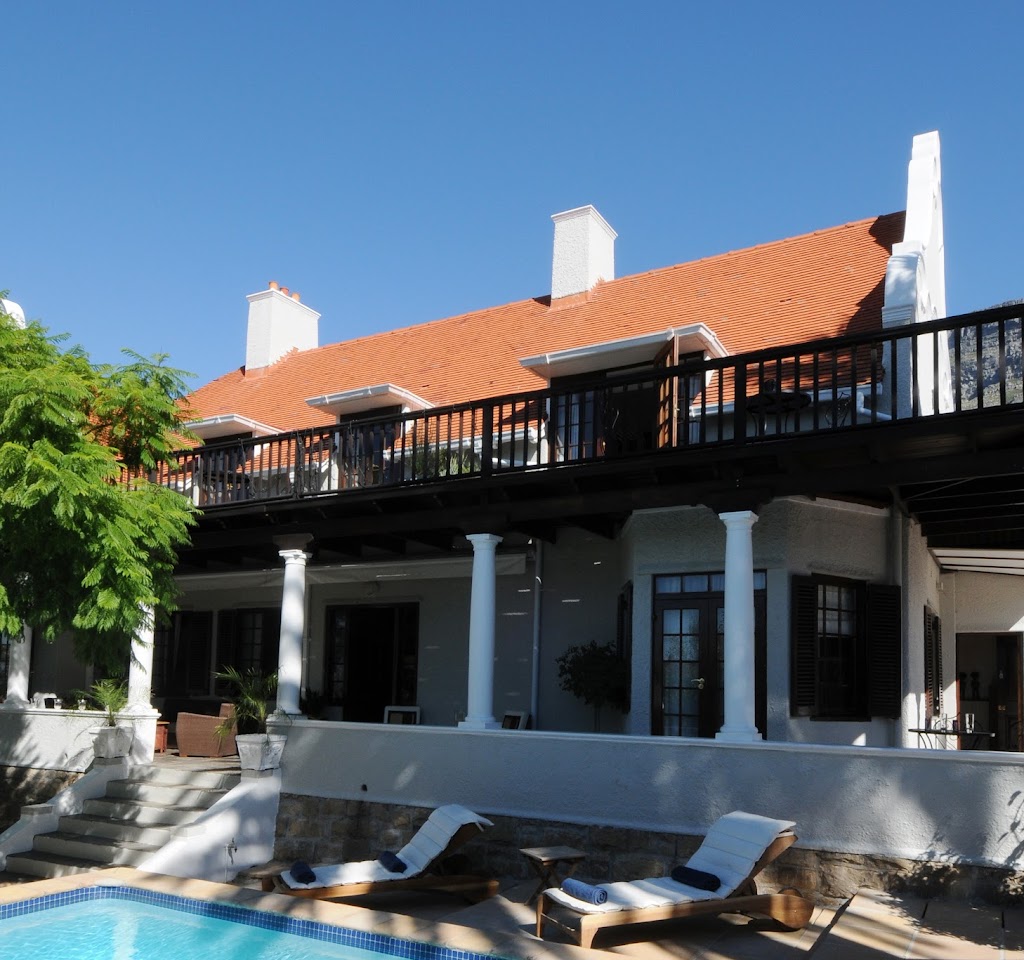
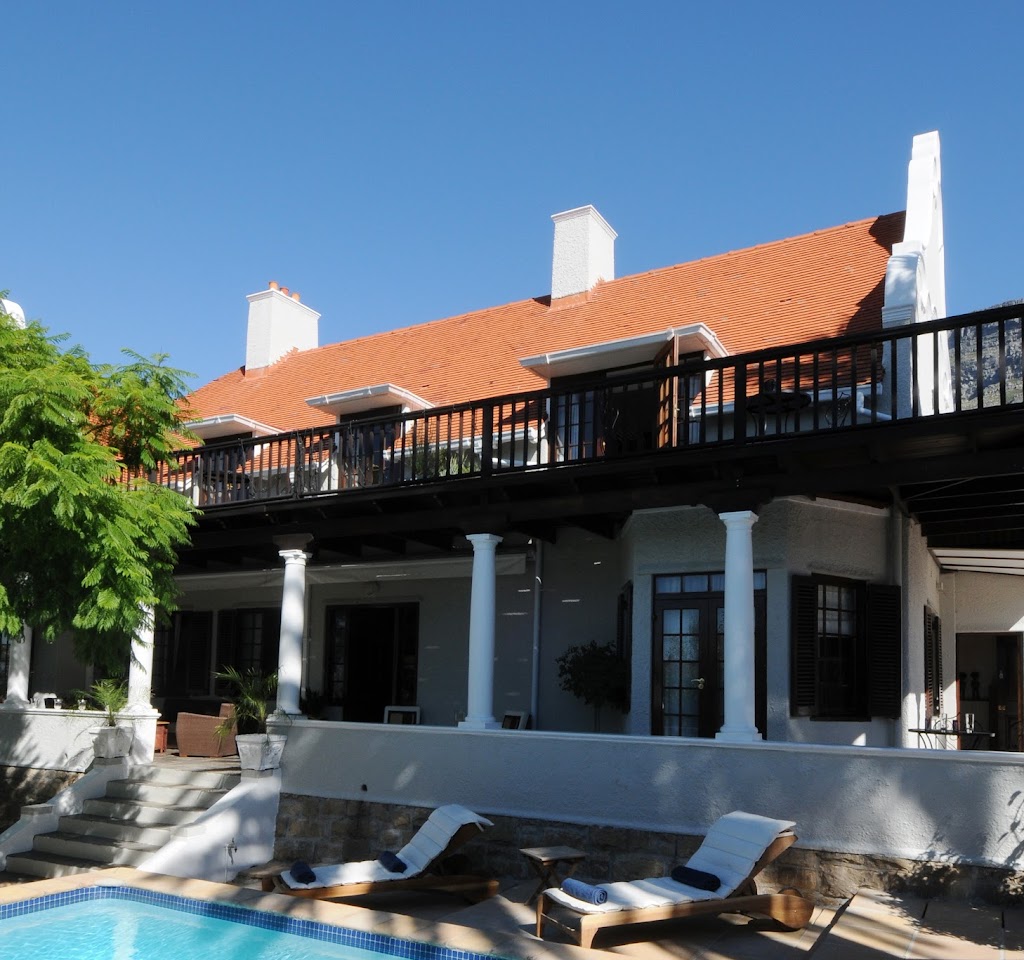
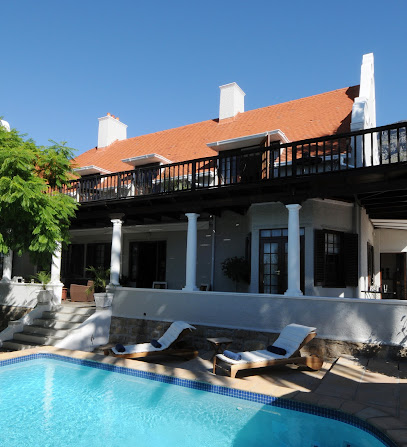
For accommodation that blends convenience with a distinctive stay, consider established hotels and guesthouses that provide clear information on services and access. A long-standing option such as Rutland Lodge, a hotel-style property with a focus on comfortable rooms and personalised service, can serve as a dependable base. You can find more about such properties on their official site: Rutland Lodge.
Practical tips to help you get the most from your visit:
- Book with a clear sense of your itinerary—choose a base close to your preferred sights to minimise daily travel time.
- Check what is included in your rate (breakfast, parking, Wi‑Fi) so you can plan meals and days efficiently.
- Balance days with a mix of outdoor activities and relaxed downtime to avoid fatigue.
- Plan for safety: stay in well-reviewed areas, use reputable transport options and keep valuables secure.
- Reserve popular experiences well in advance, especially during the peak seasons.
Whether you are seeking a stylish urban stay, a family-friendly guesthouse, or a tranquil retreat with sea views, Cape Town offers accommodation that can shape a memorable visit. With thoughtful planning around areas, transport, and season, you can enjoy a rich palette of activities—from natural vistas and historic sites to lively markets and dining experiences that showcase the city’s diversity and warmth.