Exploring Cape Town: Accommodation, Attractions and Dining
Cape Town is a diverse and endlessly walkable city where staying in a well-situated guest house, boutique hotel, or self-catering lodge can significantly shape your experience. From the vibrancy of central neighbourhoods to the tranquil beauty of coastal pockets, there is a range of accommodation to suit different styles and budgets. When planning a stay, think about how you want to move around, what landscapes you want on your doorstep, and how much social life you’d like to join after dark.
For many visitors, choosing a base in the City Bowl or the Atlantic Seaboard helps balance access to sights with a pleasant neighbourhood atmosphere. The City Bowl offers an easy stroll to museums, markets, green spaces and a tapestry of cafés, while the Atlantic Seaboard – including areas such as Camps Bay and Clifton – provides dramatic sea views, sunlit beaches and a more relaxed pace. The Constantia Valley, with its leafy streets and easy access to wine estates, suits guests seeking a peaceful countryside retreat without leaving the city. Bo-Kaap’s colourful streets provide a cultural heartbeat close to historical sites and fine dining. Southern Suburbs offer family-friendly stays with easy routes to Kirstenbosch and the southern beaches.
What to look for when booking
- Location and access: Consider proximity to MyCiTi bus routes, major sights, and convenient parking if you’ll hire a car.
- Type of property: Guest houses and B&Bs can provide a personalised welcome, while boutique hotels offer a bit more polish and on-site facilities. Self-catering stays are ideal for longer visits or families.
- Amenities: Free Wi‑Fi, secure parking, a good breakfast, and reliable staff availability make a big difference. Some properties may offer shuttle services or guided activity advice.
- Size and comfort: Room layout, en-suite facilities, sound insulation, and communal spaces matter if you’re travelling with others or working remotely.
- Transport and accessibility: Ease of access to public transit, proximity to the airport, and distance to the city centre can influence daily plans.
- Safety and neighbourhood character: A property in a well-lit, lightly trafficked area with clear access routes helps for evening strolls and dining.
Typical amenities and practical tips
- Breakfast and dining: A generous breakfast, with options for dietary needs, is a common and valued feature in guest houses. Some properties may offer evening meals or recommendations for nearby eateries.
- Comfort features: Air conditioning or fans for summer heat, heating for cooler months, quality bedding, and well-equipped bathrooms are important for a restful stay.
- Work and leisure: USB charging points, desk space, and comfortable seating support flexible working or planning sessions between excursions.
- Local knowledge: Hosts can be excellent sources of tips on safe routes, lesser-known viewpoints, and seasonal attractions.
- Sustainability: Many properties emphasise waste reduction, water conservation, and local sourcing. If this matters to you, look for eco-friendly notes in the listing.
Best time to visit
Cape Town’s climate balances warm summers with mild winters. The shoulder seasons (spring and autumn) often offer pleasant weather with fewer crowds and lower accommodation costs. Summer (December to February) brings busy beaches and coastal activities, while winter (June to August) can be cooler and wetter, but still offers green landscapes and dramatic sea views. Plan around major events and public holidays, and always check seasonal opening hours for attractions and restaurants.
Getting around
- Public transport: The MyCiTi bus network is a popular option for travellers seeking affordable, straightforward routes between key areas.
- Taxis and ride-hailing: Safe, convenient for evening outings and day trips.
- Car hire: A car opens access to the Cape Winelands, Cape Point, and scenic coastal drives but a parking plan in busy areas is wise.
- Walking: In central areas, many attractions, cafés, and markets are walkable, though it’s wise to stay aware of safety in the evenings.
Where to stay: a quick guide to areas
- City Bowl and De Waterkant: Close to attractions, eateries, and nightlife with a lively urban atmosphere.
- V&A Waterfront: Great for first-time visitors who want easy access to harbour views and ship cruises.
- Atlantic Seaboard (Camps Bay, Clifton): Scenic beaches and upscale dining, ideal for sunseekers and those seeking a resort-like feel.
- Constantia and Southern Suburbs: Quieter, green surroundings, ideal for families and wine enthusiasts.
- Bo-Kaap and Company Gardens: Cultural immersion with easy access to central sights.
Sample accommodation option: Acorn House
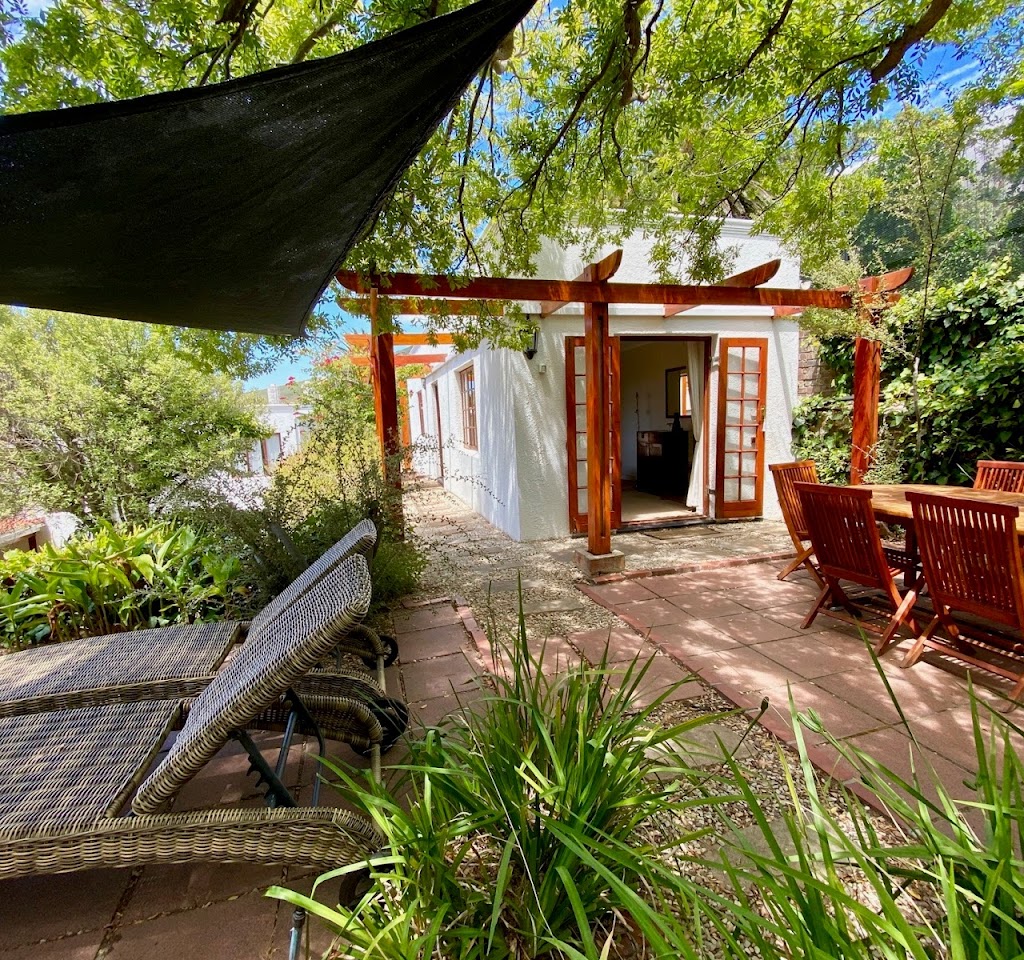
- A guest house that blends homely comfort with thoughtful service, located in a convenient area for exploring central Cape Town. The property offers a welcoming base from which to discover nearby markets, cafés and historic streets. For more details, you can visit their official site at https://www.acornhouse.co.za/.
Dining and attractions in general terms
- Dining: Cape Town’s dining scene ranges from casual bistros to refined eateries with skyline or harbour views. Many venues emphasise seasonal ingredients and multicultural flavours.
- Attractions: Iconic experiences include cable-car excursions to Table Mountain, coastal drives along the Atlantic Seaboard, botanical wonders at nearby parks, and cultural tours that illuminate the city’s history. Look for day trips to nearby wine estates and nature reserves to enrich your itinerary.
- Experiences: Markets, hiking routes, harbour cruises, and short guided walks offer approachable ways to engage with the city without committing to long tours.
Practical planning notes
- Weather pack: Sunscreen, a hat, a light jacket for evenings, and comfortable walking shoes.
- Book ahead for peak seasons and weekends, particularly for well-positioned guest houses and boutique stays.
- Check cancellation policies and accessibility notes if you have specific requirements.
Cape Town rewards curious travellers with scenic splendour, a vibrant food scene and a warm welcome. With thoughtful choices about where you stay, how you move, and what you prioritise in your itinerary, you can craft a memorable, comfortable and well-paced visit.