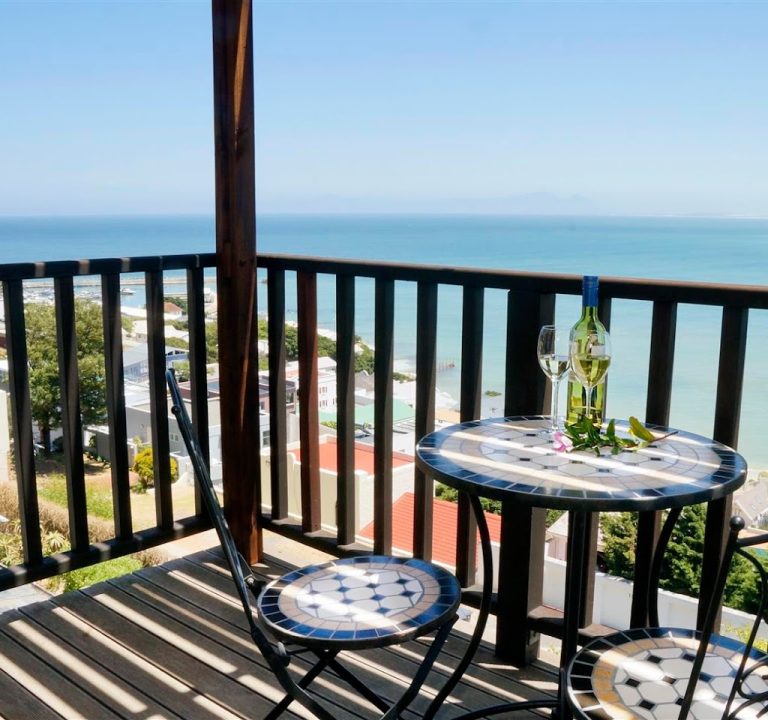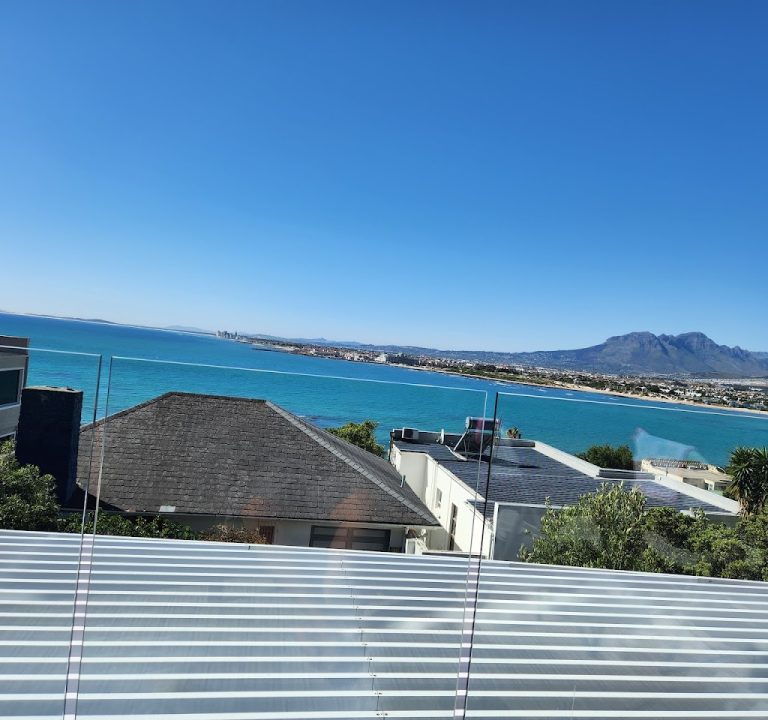
The Tree House is a Self-catering accommodation establishment in Cape Town, Western Cape, South Africa
The Tree House, Cape Town: An Overview
The Tree House in Cape Town, Western Cape, sits within a vibrant South African city known for its dramatic landscapes, cosmopolitan culture, and outdoor appeal. While the official site currently presents a temporary service outage, the property’s broader identity is associated with a traveller-friendly approach that emphasises comfort and location. This overview reflects what can be shared from available information and common expectations for accommodation in this part of Cape Town.
From the information that can be gleaned through the listed online presence, The Tree House appears to position itself as a welcoming base for visitors seeking a quiet retreat with convenient access to the city’s many attractions. Guests typically look for a blend of restful spaces and practical amenities that support easy exploration of Cape Town’s neighbourhoods, markets, and natural scenery. When details are accessible, they are usually framed around a comfortable atmosphere, with a focus on making stays simple and pleasant for a wide range of travellers.
Accommodation style and amenities at The Tree House are described in general terms here due to the temporary unavailability of direct site content. In similar Cape Town properties, guests often encounter thoughtfully appointed rooms or suites, convenient in-room routines, and on-site facilities designed to streamline travel experiences. The emphasis tends to be on a relaxed, homely feel, paired with practical touches that help visitors feel at ease after a day of sightseeing or business. For definitive information on room types, on-site facilities, dining options, or specific amenity lists, travellers should consult the official site when it becomes accessible or reach out through the available booking channels.
Who the property is best suited for can be inferred from the locality and the typical Cape Town travel rhythm. The Tree House is likely well matched for travellers who value a strategic place from which to explore, whether that means venturing up Table Mountain, wandering the city’s historic districts, or strolling along the coast. The setting tends to appeal to independents, couples, families, and small groups seeking a balanced base with potential access to local experiences and neighbourhood character.
The surrounding area of Cape Town offers a spectrum of highlights that visitors commonly prioritise. Within the city, guests can engage with iconic scenery, cultural hubs, and a dynamic dining scene. While exact proximity to particular attractions at The Tree House is not specified here due to the current site status, staying in Cape Town generally provides convenient access to mountain views, waterfront attractions, markets, and a selection of parks and viewpoints that showcase the region’s natural beauty and urban energy.
Booking and travel tips to keep in mind when planning a stay in The Tree House or similar Cape Town accommodations include the following:
- Check the official site for the most up-to-date details on room options, rates, policies, and facilities once the service is restored.
- Look for flexible booking options where available, especially in peak travel periods when options may vary.
- Consider proximity to preferred neighbourhoods or sights—whether that means easy access to a waterfront, a historic district, or a base near the city’s scenic viewpoints.
- Plan ahead for weather variations by layering clothing and preparing for outdoor activities common to the Cape Town area.
- Explore local experiences or curated recommendations offered through the booking platform or the property’s official channels to enrich the stay with authentic flavour.
For those seeking further information or the latest updates, visiting the provided domain and following any official social or booking links can help confirm current offerings, accessibility, and guest policies. While the site’s temporary unavailability limits direct details, The Tree House remains a potential option for travellers looking to experience Cape Town from a comfortable, well-situated base within the Western Cape.
Cape Town
Western Cape
7151
South Africa
Cape Town: A guide to accommodation, neighbourhoods, and must-do experiences
Cape Town is a city of contrasts, where rugged coastlines meet granite mountains and historic neighbourhoods sit alongside modern dining and arts scenes. Planning a stay here means weighing a mix of landscapes, travel times and interests. Whether you prefer a stylish apartment with sea views, a cosy guesthouse in a leafy suburb, or a self‑catering retreat moments from the city’s iconic sights, the options are plentiful. Consider how you want to spend your days, and choose a base that minimises long drives while keeping you close to the experiences you most value.
When choosing accommodation, think about the neighbourhoods that best suit your plans. City Bowl and the V&A Waterfront offer easy access to urban life, restaurants, and cultural attractions, with a convenience factor for day trips. Camps Bay and Clifton provide dramatic coastal scenery and a resort feel, ideal for relaxing evenings after sightseeing. Constantia and the southern suburbs are renowned for wine estates, panoramas, and more relaxed mornings. If you want to be close to the beaches and the promenade, Green Point and Sea Point strike a balance of walkability and access to public transport. For longer stays or if you’re seeking particularly peaceful mornings, consider a quiet retreat in the Constantia Valley or near Kirstenbosch Gardens.
Typical amenities you may encounter include well-equipped kitchens or kitchenettes in self‑catering units, free Wi‑Fi, secure parking, and flexible check-in arrangements. Look for a comfortable living area, consistent hot water, and reliable heating or air conditioning depending on the season. A good sign is clear information about local transport links, nearby grocery stores, and easy access to safe walking routes in the area. If you’re travelling with family or a group, a layout with separate bedrooms and a shared living space can make longer stays more convenient. Check whether the property provides essentials such as fresh linen, towels, and cleaning services, and whether there is 24‑hour assistance or on-site management in case you need local tips or help during your stay.
Practical planning tips can make a big difference. Start by mapping out your must-see attractions and the routes between them. Cape Town’s climate is mild but varied by season, with winter (June to August) being wetter and cooler, and summer (December to February) generally sunny and drier. The best times for outdoor activities, such as hiking Table Mountain or exploring the cape’s coastal paths, tend to be spring and autumn when days are pleasant and crowds moderate. If you intend to visit Robben Island or take boat trips to nearby права, check availability and book in advance, as these experiences can fill up during peak season.
Getting around is straightforward but planning ahead saves time. The MyCiTi bus network covers many routes, including access to the central city and popular beaches. In some areas, taxis or rideshare services offer convenient door-to-door transport. If you are staying in a more rural or vineyard-rich area, a car can be the most practical option to explore the surrounding scenery and the Constantia wine route at your own pace. For day trips, many operators offer combined tours that include the winelands, Kirstenbosch, or Chapmans Peak Drive, providing a structured way to experience multiple sights without the stress of navigation.
Accommodation examples span a wide range. Self‑catering options, in particular, suit travellers who want flexibility for family meals or longer stays. For instance, there are properties marketed as self‑catering houses or apartments that emphasise privacy, kitchen facilities, and the ability to social distance if that suits your travel style. One such option is The Tree House, a self‑catering retreat that can be discovered online at its dedicated site. A stay like this can be a convenient base for exploring the city centre by day and returning to a quiet, well‑equipped space in the evening. When reviewing listings, ask about laundry facilities, on-site parking, and what housekeeping arrangements are offered during your stay.
Food and dining in Cape Town are part of the experience. You’ll find everything from vibrant markets and casual cafés to refined restaurants and international cuisines. For many visitors, tasting Cape Malay flavours, fresh seafood, and hearty South African fare is a highlight. In planning meals, consider neighbourhood options within easy reach of your accommodation—places with a relaxed vibe and a good balance of casual and fine dining can enrich the stay without requiring long journeys after a day of sightseeing. If you prefer to soak in the atmosphere, opt for areas with pedestrian-friendly streets, where you can stroll after dinner and enjoy the evening lighting over the harbour or mountain silhouettes.
Attractions sit alongside the regions’ natural beauty and cultural richness. Iconic viewpoints offer sweeping panoramas of the Atlantic seaboard and the city’s skyline. Table Mountain is a defining backdrop to many itineraries, while the coastline provides opportunities for walks, wildlife spotting, and marine life experiences. Museums and design districts, along with markets and galleries, give travellers a sense of Cape Town’s creative pulse. For a balanced visit, plan a mix of outdoor activities, city exploration, and downtime in a café or wine bar.
Bottom line: Cape Town rewards preparedness. Choose a base that aligns with your priorities—be it proximity to beaches, green spaces, or the city’s cultural hubs. Confirm essential amenities in advance, build a flexible itinerary, and allow time for slower days that let you savour the scenery, tastes, and conversations that make South Africa’s Mother City such a memorable destination.
- Neighbourhoods to consider: City Centre/V&A, Green Point/Sea Point, Camps Bay, Constantia, and the southern suburbs near Kirstenbosch.
- Key planning questions: What is near your must-see sights? How will you travel between them? Do you need self‑catering facilities or daily housekeeping?
- Seasonal considerations: weather patterns, peak periods, and pre-booking experiences like harbour tours or wine tastings.
Sorry, no records were found. Please adjust your search criteria and try again.
Sorry, unable to load the Maps API.
Why Claim Your Listing?
Claiming your listing on the B&B Finder directory website is a valuable opportunity for business owners. Here are five reasons why you should consider claiming your listings:
Control Over Business Information: By claiming their listing, business owners can ensure that all the information presented is accurate and up-to-date. This includes details such as contact information, address, pricing, and available services or amenities. Accurate information helps prevent customer confusion and improves overall satisfaction.
Enhance the Listing: Once a listing is claimed, owners can enhance it by adding more comprehensive information and rich media, like high-quality photos and videos. These additions can make the listing more attractive and engaging to potential customers, thereby increasing the likelihood of bookings.
Marketing Opportunities: Claiming a listing can also open up additional marketing opportunities. Owners may be able to participate in promotional campaigns, special offers, and other marketing activities organized by the directory. This can increase visibility and attract more customers to the business.