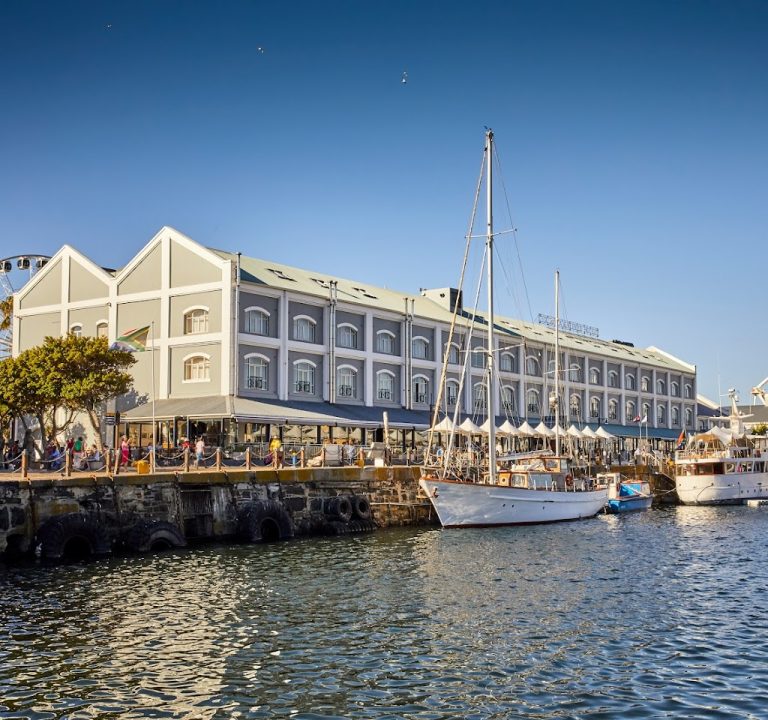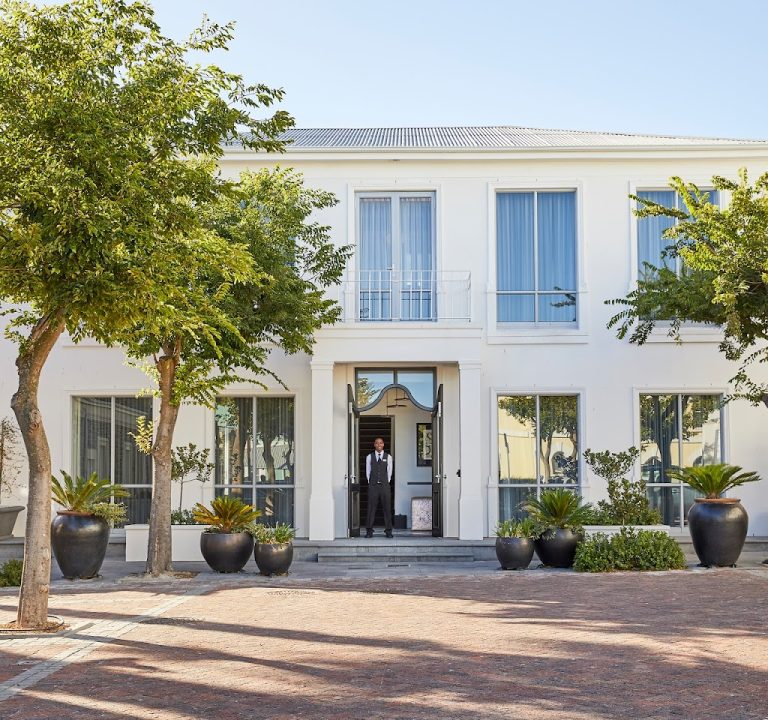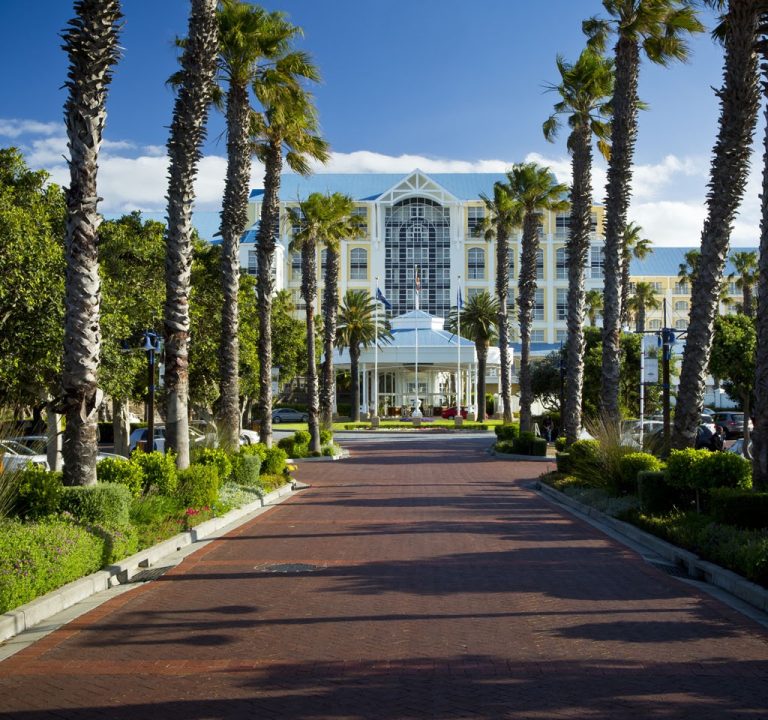
The Table Bay hotel is a Hotels establishment in Cape Town, Western Cape, South Africa
About The Table Bay, Cape Town
Situated along the waterfront of Cape Town, The Table Bay offers a harbour-side address in the heart of the Western Cape. The property is part of the Sun International portfolio, positioning itself as a destination that seeks to blend city access with coastal scenery. The available online materials function primarily as a gateway to hotel booking and corporate information, rather than a detailed brochure of on-site experiences. For those planning a stay, the site suggests a refined hotel experience anchored in location, accessibility and the convenience of online reservations.
From the perspective of an outside observer, The Table Bay presents itself as a traditional hotel affair with a focus on guest comfort and straightforward travel logistics. The online content emphasises the booking pathway and general corporate information rather than an exhaustive catalogue of rooms, suites or on-site facilities. In practice, this tends to appeal to travellers who prioritise a reliable, well-situated base with convenient access to Cape Town’s waterfront and surrounding districts, rather than niche or highly bespoke accommodation experiences.
The surrounding area is a well-known hub for visitors to Cape Town, offering a mix of scenic views, dining and cultural highlights within easy reach. While the precise on-site offerings are not itemised in the available extracts, the location itself is a strong draw for guests seeking proximity to key urban attractions, waterfront walks, and the vibrant atmosphere of the city’s harbour precinct. The guest experience, as inferred from the booking-focused material, leans towards dependable service, predictable schedules and a streamlined approach to accommodation in a popular metropolitan setting.
In terms of branding and positioning, The Table Bay sits within a larger hospitality group, which can influence both the style of the property and the range of guest services offered. Guests may expect the hallmarks of a recognised hotel brand—consistency, professional staff, and a practical framework for corporate as well as leisure travel. However, the publicly available extracts do not delve into distinctive design elements, bespoke rooms, or granular policy details. For visitors who value clarity and straightforward planning, the emphasis on accessible booking channels can be a practical advantage.
For travellers researching a stay at The Table Bay, the most reliable information is found through the official site. Visitors are encouraged to explore the online booking options and any related travel resources, including policy notes and privacy information. The site also links to general corporate content, which may provide a broader sense of the brand’s approach to hospitality and guest services. In short, the hotel presents itself as a dependable choice within Cape Town’s waterfront milieu, particularly suited to those who prioritise location, ease of booking, and a familiar hotel experience.
While the exact nature of accommodation—such as room styles, sizes, or specific on-site amenities—is not explicitly detailed in the provided material, the hotel’s official presence indicates a classical lodging model designed for comfort and convenience. Potential guests should expect standard hospitality offerings typical of a city-based luxury property, with emphasis on guest registration, hosting services and a structured guest journey from arrival to departure. It is advisable to consult the official site for the most current information on room categories, dining options, wellness facilities, event spaces and any seasonal packages that could enhance a Cape Town visit.
For those planning to make a booking, a clear path exists through the hotel’s online resources. The site emphasises the booking process and provides access to additional information about privacy notices and site cookies, reflecting a modern, customer-focused online experience. The inclusion of a dedicated hospitality brand page underscores a commitment to standardised service and brand-wide practices that can reassure first-time visitors and returning guests alike.
Nearby highlights and experiences, while not itemised in the extract, are typically associated with Cape Town’s harbour area. Guests may find walks along the waterfront, viewpoints and access to city-centre attractions convenient due to the hotel’s strategic location. For travellers seeking local experiences, it is often fruitful to explore tours, harbour cruises, and dining venues that showcase the region’s marine setting and cosmopolitan flair. The general travel tip is to allocate time for both iconic landscapes and the city’s cultural corners to maximise the Cape Town experience.
- Booking and travel tip: utilise the official site for the latest room options, rates and policies, and bookmark the privacy notices for reference during planning.
- Experience tip: pair a harbour-side location with a visit to nearby Cape Town attractions to create a balanced itinerary of scenery, cuisine and urban exploration.
- Practical tip: check for seasonal offers or packages on the official site, which may combine accommodation with dining or local activities.
For more information, and to initiate a stay, prospective guests can visit the hotel’s official page to access booking tools and policy details. The site serves as a practical starting point for those researching a Cape Town visit, delivering straightforward access to reservations while providing context about the brand’s broader hospitality framework. Visitors are encouraged to review the latest official content to confirm room types, on-site facilities and any travel tips specific to the season of travel.
Cape Town
Western Cape
Victoria & Alfred Waterfront, Cape Town
South Africa

Discovering Cape Town: Where to stay and what to do
Cape Town is a magnetic blend of rugged coastal scenery, urban culture and world-class dining, all framed by iconic mountains and historic neighbourhoods. When planning a stay, consider balancing convenience with the character of neighbourhoods to suit your interests, whether you’re chasing dramatic sea views, easy access to top sights, or a cosy base close to wine country and nature reserves.
Accommodation in Cape Town ranges from grand hotels in waterfront settings to boutique guesthouses tucked into quiet lanes. For a classic city experience with easy access to key sights, look for hotels in the V&A Waterfront, the City Bowl, or the foothills of Table Mountain. For a beach-forward holiday with a relaxed vibe, Atlantic Seaboard towns such as Camps Bay and Clifton offer stylish stays and dramatic ocean panoramas. If you’re after a more genteel, nature-connected escape, Constantia and the southern suburbs provide leafy streets, estates and easy drives to Cape Point and Kirstenbosch Gardens. When you book, consider factors such as proximity to your planned activities, on-site parking, and the availability of self-catering facilities if you value flexibility.
Typical amenities to expect include comfortable en-suite rooms, reliable Wi‑Fi, air conditioning or heating, and a good continental or full breakfast option. In many guesthouses and boutique hotels you’ll find thoughtful touches such as personalised reception, recommendations for local experiences, and access to private tours or grower visits in nearby wine regions. If you’re travelling with family or friends, look for larger suites or csuites, or properties that offer apartment-style accommodation with kitchen facilities. For convenience, direct access to a well-equipped café or restaurant within walking distance can save time, particularly on days when you’d prefer not to dine out for every meal.
Transport in Cape Town is straightforward but varies by area. The MyCiti bus network provides routes across the city centre and many coastal suburbs, though in peak season you may wish to combine public transport with rideshare services or private transfers. If you plan to explore outside the city bowl—such as the Cape Peninsula, Constantia or wine routes—renting a car offers the most flexibility, especially for sunrise drives to the cape’s viewpoints or visits to nature reserves. If you prefer not to drive, many hotels arrange guided tours or private drivers, which can be a convenient way to maximise time and safety, particularly for full-day outings.
Best time to visit Cape Town depends on your priorities. Summer (December to February) brings long days and vibrant outdoor life but can be busy; shoulder seasons (spring and autumn) offer milder weather, calmer crowds, and good value. Winter (June to August) is cooler and wetter, yet still offers dramatic coastal scenery and often quieter attractions. If you’re aiming to combine city sightseeing with scenic drives and outdoor activities, plan a stay that allows mornings in the city and afternoon adventures along the coast or in leafy valleys.
Attractions and experiences in Cape Town tend to be plentiful and varied, at different paces to suit travellers. You can begin with the natural panorama from Table Mountain or Lion’s Head, enjoy a stroll along the historic Company’s Garden, and then explore the V&A Waterfront with its mix of shops, galleries, and eateries. Excursions to Cape Point and the Cape Peninsula offer scenic coastal drives and wildlife stops, while a day trip to nearby wine regions invites a taste of South Africa’s renowned wines and scenery. For a cultural context, wandering through historic neighbourhoods such as Bo-Kaap provides colour, stories and photography opportunities. Dining in Cape Town ranges from casual markets and bistros to fine-dining rooms focusing on fresh seafood and locally sourced produce—look for seasonal menus and places that emphasise sustainable hospitality rather than fixed itineraries.
If you’re staying at or near the V&A Waterfront, or near the central business district, you may want to base a day around the harbour's activities and then take short rides to museums, galleries, and sunset viewpoints along the Atlantic Seaboard. For a taste of the city’s broader offerings, consider a day that combines modern urban life with a coastal drive to nearby beaches, or a visit to one of the world-renowned botanical gardens and nature reserves that showcase Cape Town’s biodiversity.
Example accommodation to consider is a well-known hotel located near the waterfront, which often features a prominent position for convenient access to sightseeing, dining, and harbour activities. For more information, you can explore the property’s official site to view current room types, experiences, and booking options: The Table Bay.
- Areas to consider: City Bowl for central access and vibrant nightlife; Atlantic Seaboard for beaches and sunset views; Constantia for green spaces and wine estates; Bo-Kaap for heritage and colour; and the V&A Waterfront for value and convenience.
- What to look for when booking: proximity to sights, parking availability, breakfast options, and whether the property can arrange private transport or guided tours.
- Practical tips: book ahead for peak seasons, check local safety advisories, pack layers for variable coastal weather, and plan a flexible itinerary to accommodate weather changes and wildlife sightings.
Sorry, no records were found. Please adjust your search criteria and try again.
Sorry, unable to load the Maps API.
Why Claim Your Listing?
Claiming your listing on the B&B Finder directory website is a valuable opportunity for business owners. Here are five reasons why you should consider claiming your listings:
Control Over Business Information: By claiming their listing, business owners can ensure that all the information presented is accurate and up-to-date. This includes details such as contact information, address, pricing, and available services or amenities. Accurate information helps prevent customer confusion and improves overall satisfaction.
Enhance the Listing: Once a listing is claimed, owners can enhance it by adding more comprehensive information and rich media, like high-quality photos and videos. These additions can make the listing more attractive and engaging to potential customers, thereby increasing the likelihood of bookings.
Marketing Opportunities: Claiming a listing can also open up additional marketing opportunities. Owners may be able to participate in promotional campaigns, special offers, and other marketing activities organized by the directory. This can increase visibility and attract more customers to the business.