Discovering Cape Town: where to stay and what to do
Cape Town, with its dramatic coastline, botanical landscapes and vibrant neighbourhoods, offers a wide range of accommodation to suit every itinerary. From stylish boutique stays in leafy suburbs to contemporary apartments near the harbour, the city provides options that blend comfort with easy access to both iconic sights and quieter corners of the Western Cape. When planning a stay, it helps to think about which area aligns with your interests, transport preferences and the pace you want from your trip.
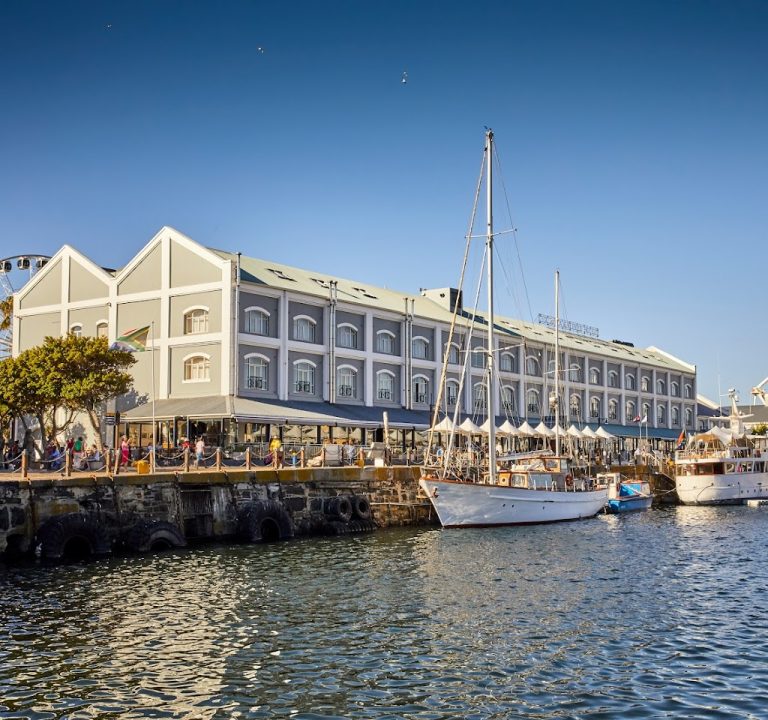
For first-time visitors, the V&A Waterfront area is a convenient anchor. The harbour-side setting combines modern hotels with pedestrian-friendly streets, museums, shops and diverse dining options. It’s a practical base for day trips and a gentle introduction to the city’s energy. For a more scenic urban experience, the city bowl and Tamboerskloof offer rooms and studios that put you within walking distance of galleries, cafés and restaurants, while still providing easy access to Table Mountain via the upper cableway or hiking routes.
If you crave sea views and a more cosmopolitan vibe, Camps Bay and Clifton deliver aspirational settings with stylish guesthouses and boutique hotels along the coast. These areas are best suited to travellers who prioritise indulgent evenings, sunset walks along the sands, and a shorter ride to the city centre when required. For a historic, colourful flavour and excellent value, the Bo-Kaap and De Waterkant districts present characterful stays with proximity to markets, eateries and historic streets.
A key planning consideration is how you intend to travel around. Cape Town’s landscapes reward exploration by combining short drives, rideshares and, where possible, weather permitting, scenic routes. If you’ll be venturing to the Cape Peninsula, the Constantia Wine Route, or the Cape Winelands, staying in a central hub with good road links can cut long transfers. Some guests prefer apartments or small hotels with self‑catering facilities, offering the flexibility to start mornings with a quick breakfast before a day of sightseeing.
Typical amenities to look for include reliable free Wi‑Fi, secure parking or easy access to public transport, air conditioning or heating suited to the season, and a comfortable workspace if you plan to work during part of your trip. For families and longer stays, consider properties with kitchen facilities, laundry access, and access to outdoor spaces. In quieter residential areas, you may find guesthouses with personalised touches, such as guided welcome notes, locally sourced breakfast options, or curated recommendations from hosts about offbeat beaches or hidden viewpoints.
When choosing a stay, a practical tip is to map travel times rather than straight-line distances. A short walk to shops, a nearby bus route, or a reliable Uber/ride‑share option can dramatically improve daily plans in a city where traffic and parking can be demanding at peak times. Read recent guest reviews to gauge consistency—look for notes about soundproofing, desk space if you’ll work remotely, and how responsive hosts are to requests. If you’re visiting in peak season, booking early is advisable, as popular neighbourhoods tend to fill quickly around holidays and major events.
Cape Town offers a range of experiences beyond the accommodation. Iconic natural highlights such as Table Mountain and the climate‑controlled penguin colony at Boulders Beach are complemented by striking coastal drives and viewpoints. Cultural interests include historic districts, markets selling local crafts and foods, and museums that trace the city’s diverse stories. Food lovers can expect a broad spectrum of dining options, from fresh seafood and casual cafés to refined restaurants and convenient neighbourhood eateries, all contributing to a vibrant, walkable urban fabric.
Practical tips to help you plan your stay:
- Check when rooms are ready for check‑in and whether late check‑out can be arranged.
- Consider travel insurance and luggage storage possibilities for day trips.
- Pack layers for variable coastal weather; mornings near the harbour can be cool, with warmer afternoons inland.
- If you’re visiting during shoulder seasons, you may find more flexible rates and fewer crowds while still enjoying pleasant weather.
- Use reputable transport options and arrange transfers in advance if you have early morning plans or late arrivals.
To enhance your planning, organise a balance of highlights and downtime. A typical itinerary could combine a morning activity—such as a scenic lift or hike near Table Mountain—with a relaxed afternoon by the harbour, followed by an evening in a neighbourhood renowned for its views and eateries. For day trips, consider easy access routes to nearby nature reserves or wine regions, where guided tours offer safe, informative experiences without needing to self-drive every leg of the journey.
For further inspiration about the V&A Waterfront and its surrounding precinct, you can explore official visitor information and maps provided through the venue’s websites. A general point of reference for visitors is found at the V&A Waterfront’s information hub, where planning resources outline attractions, dining options and practical tips for a seamless stay. Visitors often remark that the area serves as a gateway to Cape Town’s many experiences, from harbour activities to cultural exchanges and leisurely shopping strolls.
- Choose an area that suits your pace and access needs (central, coastal, or harbour-side).
- Prioritise properties with good transport links or parking if you plan day trips.
- Assess amenities such as kitchens, laundry, and flexible check-in/out policies.
- Read recent guest reviews to gauge consistency and host responsiveness.
- Balance iconic sights with time for relaxed exploration and culinary discoveries.
For further information about one of Cape Town’s landmark precincts, visit the V&A Waterfront: V&A Waterfront. This area, and the surrounding neighbourhoods, offer a practical starting point for a memorable Cape Town stay, with opportunities to tailor experiences to your interests and travel style.