Staying in Tzaneen, Limpopo: accommodation, attractions and dining
Tzaneen in Limpopo offers a refreshing blend of rural charm and modern comfort, set among lush valleys, rolling hills and nearby natural attractions. The town acts as a gateway to the region’s rich biodiversity, gardens and water features, while providing a solid range of accommodation options to suit different budgets and travel styles. When planning a stay here, consider the area and what you want from your visit: a peaceful base for family trips, easy access to nature reserves, or a starting point for day trips to wildlife parks and cultural experiences.
Areas to consider
- Central Tzaneen is convenient for guests who want to be within easy reach of shops, markets and eateries. It’s a good base if you prefer a walkable, town-centre feel with quick access to transport links.
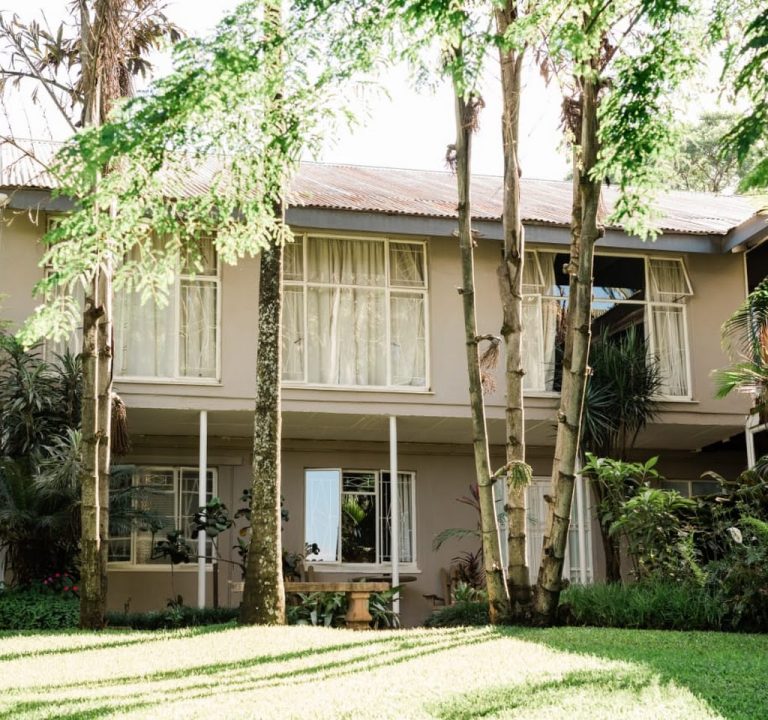
- Suburban and rural lodges on the outskirts offer a quieter setting, often with gardens, pools or panoramic views. These properties can provide a more intimate, country-house vibe and are ideal for guests seeking a restful retreat.
- Near key gateways to nature reserves or the more mountainous northern fringes, rural guesthouses and small hotels can deliver direct access to outdoor activities such as hiking, birdwatching and scenic drives.
What to look for when booking
- Room configuration and family-friendly options: check if rooms can be configured for families or groups, and whether there are interleading doors or multiple room bookings available.
- Amenities and conveniences: air conditioning or fans for Limpopo summers, reliable Wi‑Fi, on-site parking, and secure storage for bicycles or equipment can be important depending on your plans.
- Water and power considerations: in some parts of the region, seasonal outages or irregular water supply can occur. A property with backup power or a robust water system can improve comfort during your stay.
- Food provisions: many stays offer breakfast or dinner options, and some may cater to dietary requirements if you arrange in advance.
- Location relative to interests: for wildlife and nature outings, proximity to parks or scenic routes can reduce travel time and maximise daylight for adventures.
Typical amenities and practicalities
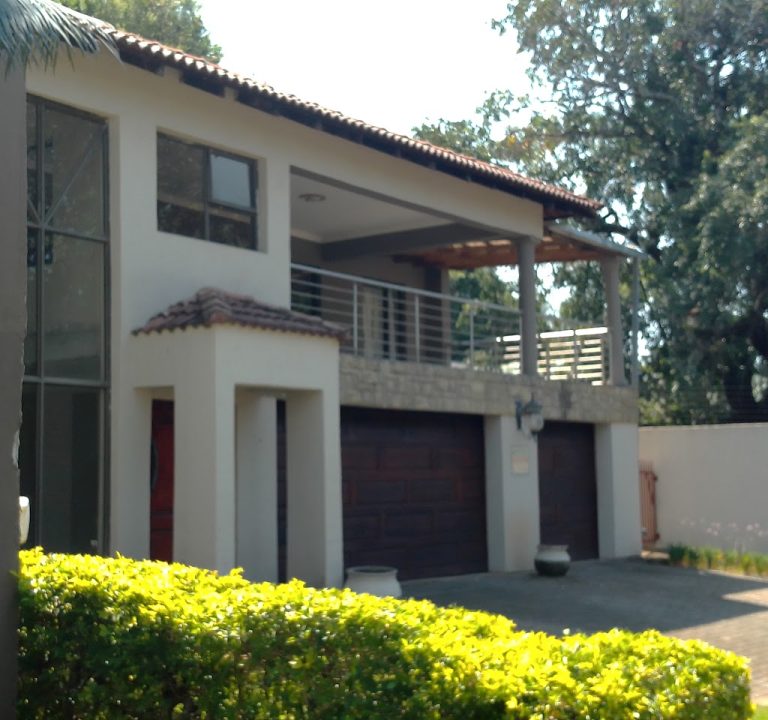
- Accommodation types range from guesthouses and boutique lodges to larger hotels. Expect well-kept rooms, en-suite bathrooms, and extensions such as verandas or terraces where you can enjoy morning coffee.
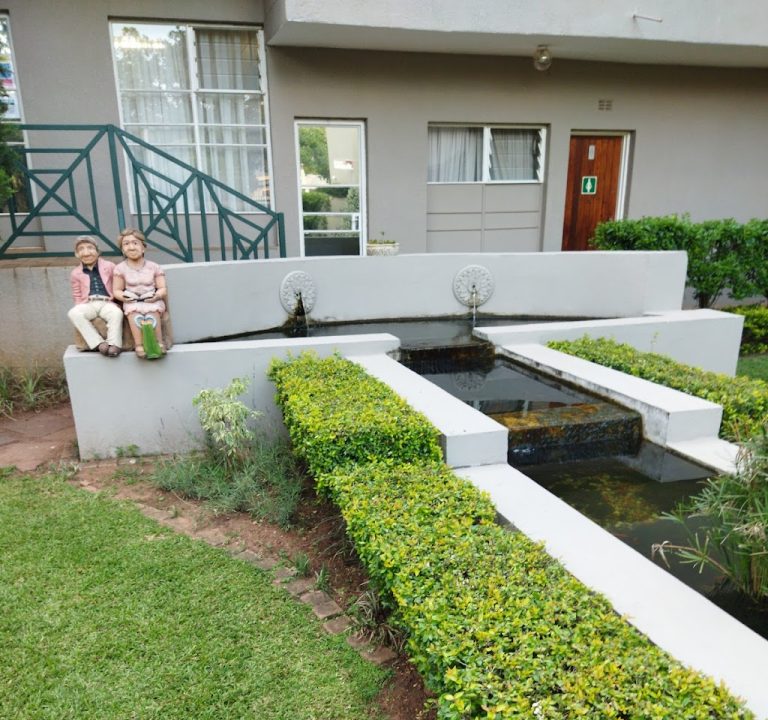
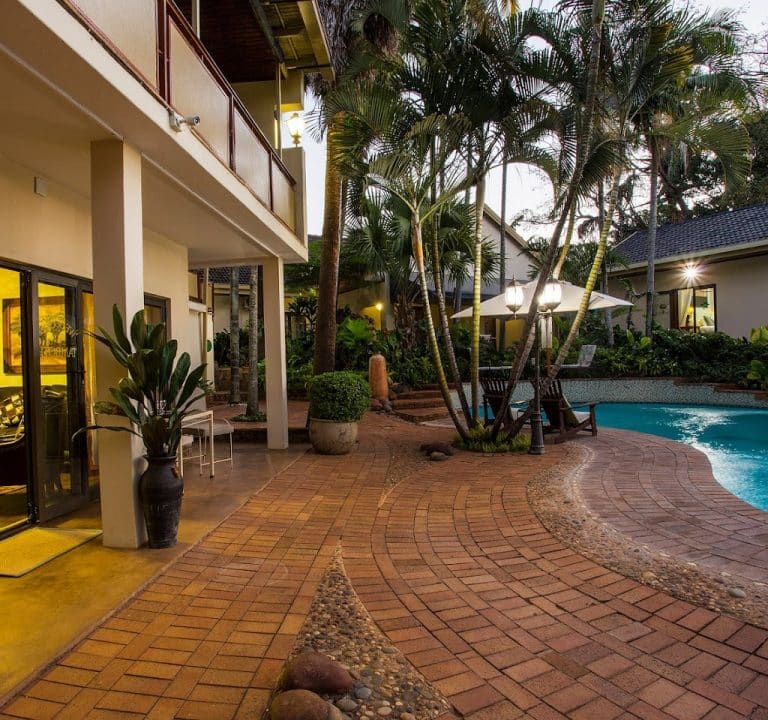
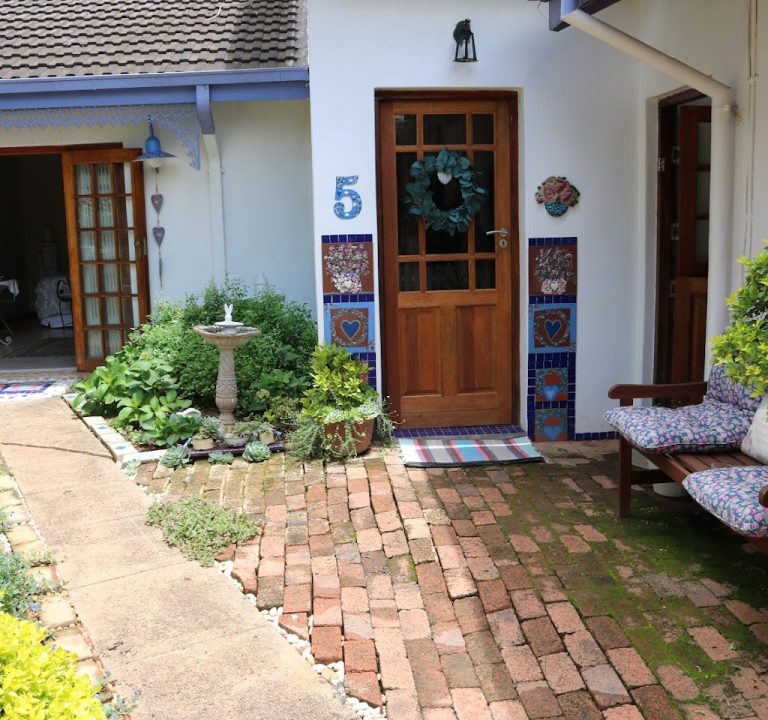
- Outdoor spaces are common, including gardens, shaded seating areas and sometimes pools. A tranquil setting can be a significant plus after a day spent exploring.
- In-house dining is prevalent, with menus that reflect regional ingredients and cooking styles. If you’re planning excursions, ask about packed lunches or early breakfasts.
- Guest services may include guided nature walks, organised tours, or driver recommendations to help you make the most of your visit.
Transport and getting around
- The best way to explore Tzaneen and its surroundings is typically by car. A car hire service or a private transfer can provide flexibility to reach nature reserves, viewpoints, and markets at your own pace.
- Local taxi services and shuttle options are sometimes available through the accommodation, which can be handy for day trips or evenings out.
- If you’re heading further afield, be mindful of distance to larger towns or airports and plan your route with a map or GPS. Keeping a printed route or offline maps can be useful in more remote areas.
Best time to visit
- The region’s climate is characterised by warm to hot summers and mild winters. The dry winter period tends to bring clearer skies and lower humidity, which many travellers favour for outdoor activities.
- Spring and autumn offer pleasant temperatures for hiking and garden visits, while summer is ideal for enjoying greenery and water features, though it can be hotter and humid.
- Wildlife-driven outings, birdwatching and nature photography are enhanced by early mornings and late afternoons, when animals are more active and light is best for photography.
Attractions and experiences (general terms)
- Tzaneen and its surroundings offer access to botanical gardens, scenic viewpoints and pleasant parks. Visitors commonly use the town as a base for exploring nearby reserves and natural attractions.
- Cultural and artisanal experiences often involve local markets, galleries and workshops where you can observe or purchase crafts and handmade goods.
- For dining, many stays partner with nearby eateries or offer on-site dining that showcases regional ingredients and prepared dishes with a local twist.
Practical tips
- Book ahead for popular periods, especially during peak travel seasons or long weekends. Early confirmation helps secure preferred rooms and packages.
- Check cancellation policies and weather-related contingencies so you have options if plans shift.
- Bring appropriate clothing for variable weather, sun protection, and comfortable footwear for outdoor activities.
- Respect local customs and environmental guidelines when in parks or nature reserves, and carry reusable water bottles to minimise single-use waste.
Sample planning checklist
- Decide on the area that best suits your interests (central access vs. rural tranquility).
- Confirm the bed configuration, meals, and any special dietary needs.
- Arrange transport with your accommodation or a trusted local operator.
- Map out a flexible schedule that includes nature time, dining experiences and relaxed days for soaking up the scenery.
Website options and further information
- For planning and inspiration, consider checking regional tourism sites and accommodation directories that focus on Limpopo and Tzaneen. These can help you compare options, read guest reviews and view practical travel tips, including suggested day trips and seasonal highlights. Links to official tourism resources and reputable travel guides are useful starting points as you tailor your stay to your interests.