Exploring Tzaneen: Where to stay and what to do in Limpopo
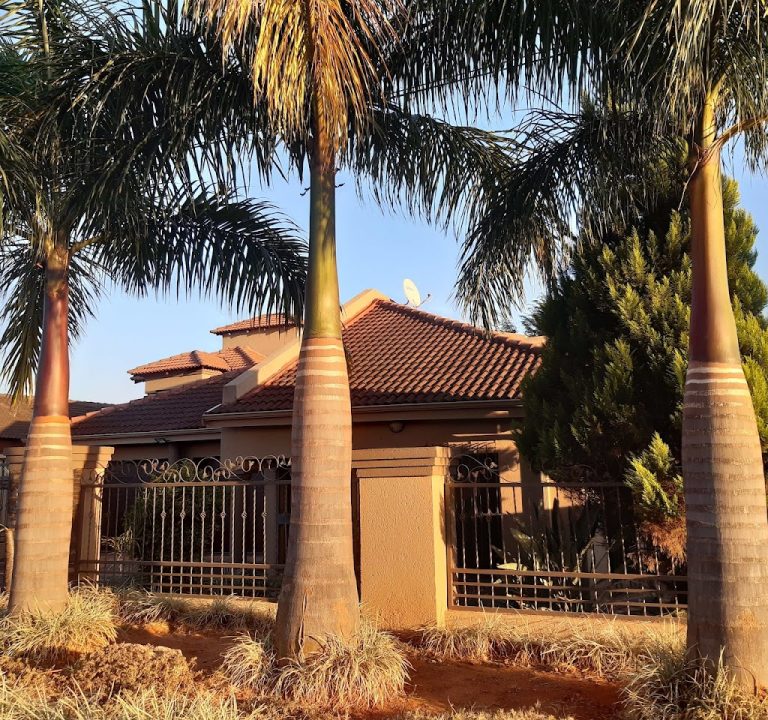
Tzaneen sits in the heart of Limpopo, a fertile town surrounded by terraced hills, fruit orchards and lush gardens. It’s a popular base for visitors exploring the region’s natural beauty and cultural glimpses, while offering a range of accommodation options that suit different travel styles. Whether you are seeking a cosy bed and breakfast, a comfortable guesthouse, or a small lodge with character, Tzaneen provides places to rest that are well placed for day trips and relaxed evenings after a day on the road.
When planning a stay, consider the neighbourhoods and routes that will maximise your time. The central town area often comes with easy access to shops, markets and eateries, plus a short drive to roadside fruit stalls and scenic viewpoints. Outlying areas near the forests and valleys can provide a quieter atmosphere, more space, and a sense of seclusion. If you are visiting for nature, a lodge or guesthouse with on-site farming or garden spaces can be particularly refreshing. For those with mobility considerations or families, look for properties that offer ground-floor rooms or easy-to-navigate layouts and clear access to parking.
Booking the right place means weighing a few practical details. Check whether the accommodation has off-street parking or secure facilities for your vehicle, as some rural spots are set on winding lanes. In high season, aims to book well in advance since rooms tend to fill quickly around holidays and harvest events. Consider whether you need self-catering facilities, or whether a breakfast option is included. If you’d like guidance on activities, some hosts offer local tips or can arrange transfers and day trips, which can be a real help for first-time visitors.
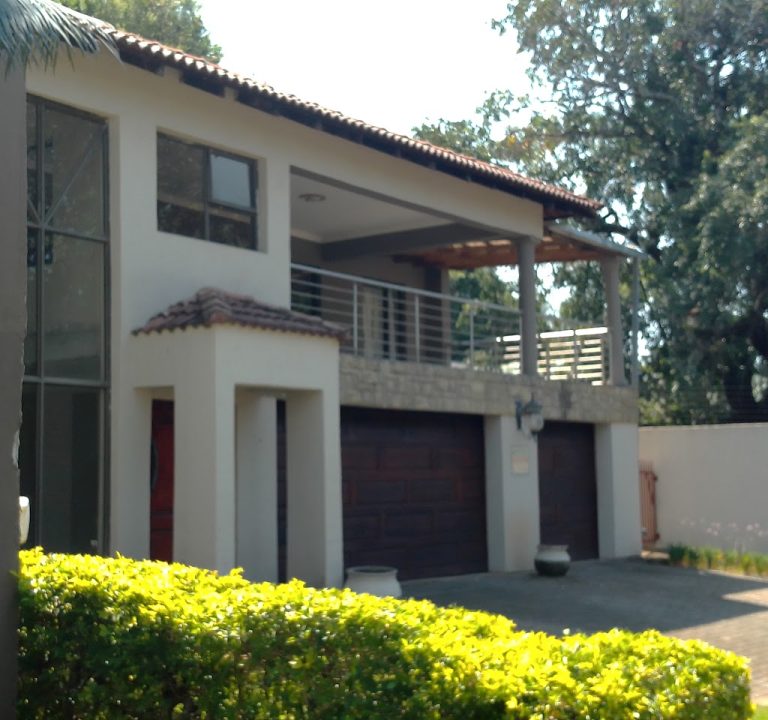
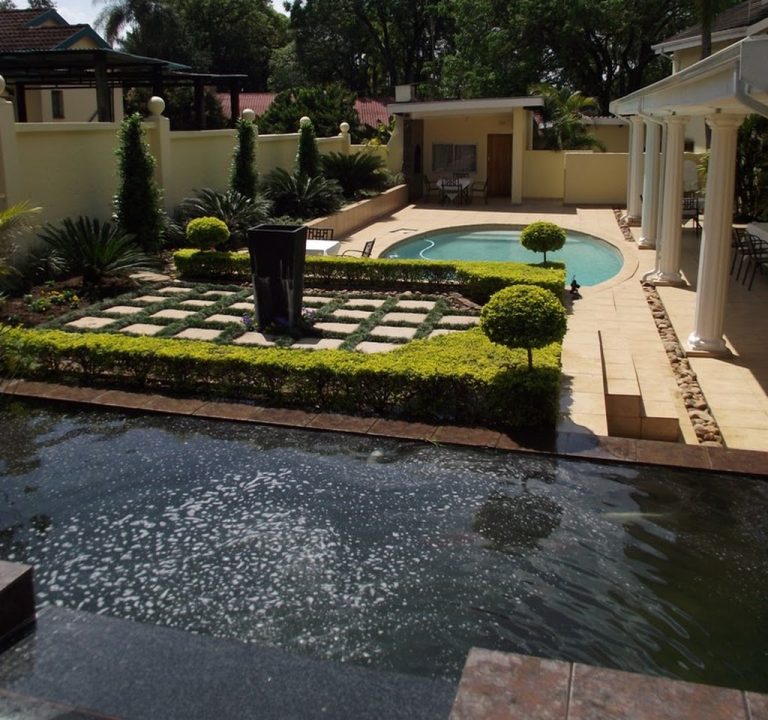
Typical amenities you may encounter include comfortable en suites, Wi‑Fi, air conditioning or fans, and tea and coffee facilities. Some lodges and B&Bs provide swimming pools or outdoor seating areas where you can unwind after a day outdoors. Family-friendly properties might offer larger rooms or interconnecting options, while romantic escapes often include cosy nooks, verandas or garden balconies with views. Guesthouses and lodges in Tzaneen frequently place an emphasis on hospitality and a personal touch, with hosts who can share insights into local walks, markets and crafts.
Transport is an important consideration. If you plan to explore beyond Tzaneen, a car is typically the most convenient way to travel between attractions and dining spots. Tzaneen is well connected by roads to nearby towns, agricultural routes and nature reserves. If you’re relying on public transport, check the schedule and proximity to pick-up points, as some rural properties may be a short drive from main routes. For airport access, the nearest regional hubs offer connections to Johannesburg and other South African centres, and many accommodation providers can advise on private transfers or shuttle options.
The best time to visit Tzaneen depends on what you’re after. The area experiences a mild winter with cooler evenings, and a warm, wet summer conducive to lush landscapes. Harvest season brings fruit-laden orchards and markets that showcase local produce, which can be an enjoyable focus for a short break. Outdoor activities such as hiking, nature walks and gentle drives through terraced valleys are popular year-round, though mid-year periods with drier weather can be particularly pleasant for longer day trips and photography.
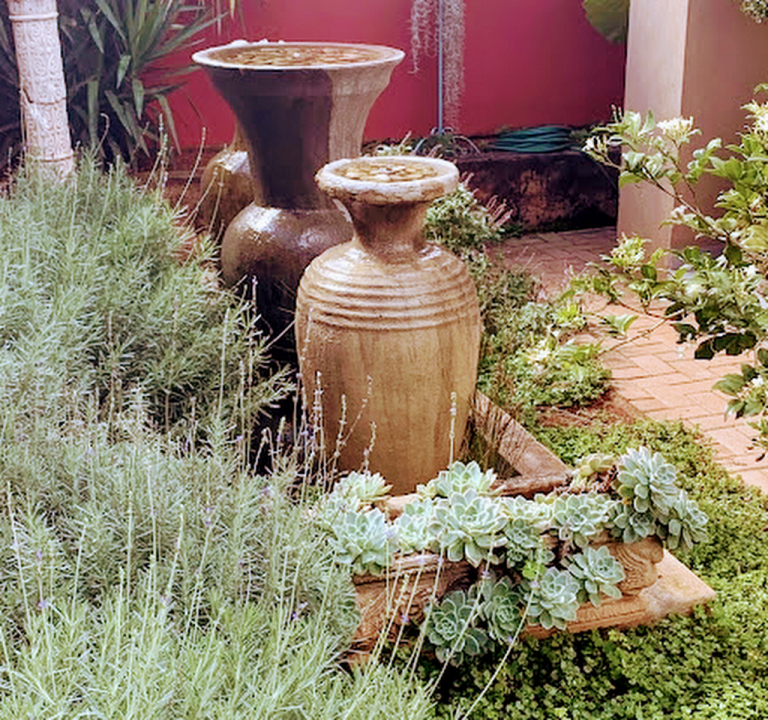
When you are in town, there are a range of attractions and experiences to consider—largely framed around nature, gardens, and the local rural charm. You might begin with a stroll through the town gardens or nearby farmland drives, followed by a day trip to viewpoints that overlook a patchwork of green and gold in the valleys. For a relaxed dining experience, look for a restaurant that emphasises seasonal produce and regional flavours; many venues prioritise fresh ingredients and friendly service. Markets and small cafés often offer handmade crafts, fruit preserves and baked goods that capture the area’s agricultural heritage. If you are seeking cultural insight, you can choose gentle tours or guides who explain the patterns of fruit farming, traditional crafts and the surrounding landscapes without overly touristy commitments.
For travellers aiming to tailor their stay, here is a quick guide to what to look for when choosing accommodation in Tzaneen:
- Location relative to your planned activities (town centre vs. countryside).
- Room configuration (en suite, family rooms, or couples’ suites) and accessibility.
- On-site amenities (pool, dining options, garden spaces, parking).
- Meal arrangements (breakfast included, or self-catering options).
- Transport support (parking, transfers, or proximity to main routes).
Useful practical tips for a smooth stay: book with enough lead time during peak periods, confirm what is included in the rate (breakfast, housekeeping, and access to facilities), and ask about any local recommendations for day trips, markets, or farmers’ stalls. Bring or hire suitable clothing for varied weather, especially if you intend to explore the outdoors in mornings or evenings when temperatures can be cooler. Finally, while many properties in Tzaneen are comfortable and welcoming, you should always review guest feedback for consistency on cleanliness, service, and the overall guest experience.
To begin planning your stay and explore examples of lodging in Tzaneen, you can visit official tourism pages for the region or browse individual lodging providers for details on rooms, rates, and availability. A well-chosen base can make the difference between a rushed itinerary and a relaxed, immersive visit to this part of Limpopo. For more information about regional attractions and visitor resources, see Limpopo Tourism or local council information pages on reputable travel sites.