Stutterheim: accommodation, experiences and planning a memorable stay in the Eastern Cape
Stutterheim in the Eastern Cape offers a refreshing mix of country hospitality, quiet rural vistas and easy access to the celebrated plots of nature that define this region. Whether you are seeking a cosy bolthole, an eco-lodge with sustainable principles or a comfortable base for exploring the Highlands and beyond, the area lends itself to relaxed stays, long country walks and evenings spent by a crackling fire. When planning a visit, consider both where you want to be and what kind of experience you’re after, from farm-stay charm to more contemporary comforts in town.
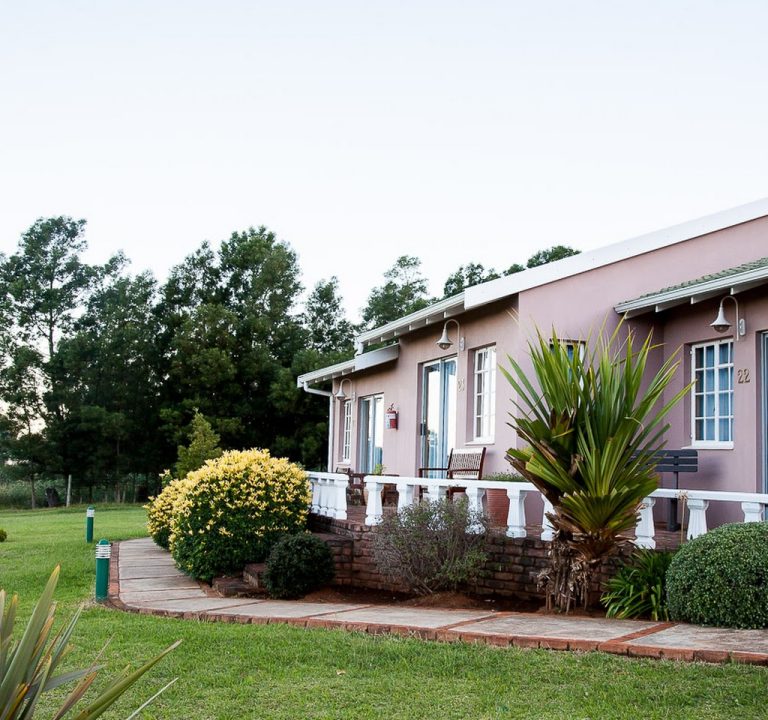
Accommodation styles in Stutterheim range from intimate lodges and guesthouses to larger country inns and eco-friendly retreats. A lodge such as The Shire eco lodge exemplifies the growing trend towards sustainable, nature-forward stays that still offer well-appointed rooms and thoughtful service. When assessing options, look for lodges or guesthouses that prioritise comfortable fabrics, reliable heating or under-floor heating for cooler months, and flexible dining arrangements. Guests often value rooms with private patios or verandas, quiet corners for reading, and communal spaces where you can share stories after days spent outdoors. If you travel with family or friends, ask about family suites, interleading rooms, or communal lounges that make communal living easy and enjoyable.
In terms of areas to consider, central Stutterheim provides the convenience of a village atmosphere with locally owned shops, cafés and easy access to the surrounding countryside. If you prefer a more tranquil escape, look for lodges set on larger plots along hillside lanes or near rivers or forests, where the landscape becomes the real guest. For travellers who want a short hop to outdoor activities, a location close to trails and viewpoints can dramatically reduce drive times and maximise your time on the trail. Whichever setting you choose, a map or guest assistance desk can help you plan day trips that balance rest with exploration.
Typical amenities to expect include complimentary parking, en-suite bathrooms, white linen, and in-room tea and coffee facilities. More modern lodges and guesthouses may offer free Wi-Fi, powered heating or fireplaces, heated towel rails, and furnished verandas. Many eco-friendly properties will incorporate sustainable practices such as solar power, rainwater harvesting, and recycling initiatives, and they may emphasise locally sourced, seasonal meals. If you have dietary needs, check whether menus accommodate vegetarian, vegan or other restrictions, and whether there is flexibility for supper on arrival or packed lunches for long outdoor days.
Transport and getting around are straightforward with most visitors relying on a car for the short transfer from the main routes to more secluded lodges. If you arrive by bus or shuttle service, confirm accessibility and whether a taxi or local transfer can be arranged for the final leg. Pack practical items for the climate: layers for changing mountain weather, sturdy walking shoes for day trips, and a lightweight waterproof layer for sudden showers. In summer, mornings can be cool, with warmer afternoons, so breathable clothing plus a warmer layer is sensible. A small daypack for woodland trails and short hikes will also come in handy.
The best time to visit Stutterheim hinges on what you want from the landscape. Spring and autumn offer mild temperatures and clear, bright days ideal for outdoor activities and scenic drives. Summer brings fuller rivers and lush surrounds, perfect for longer hikes or riverside picnics, while winter can bring cooler nights that invite cosy evenings by the fire and hearty, comforting meals at guesthouses or lodges. Consider timings around local events or markets if you enjoy a cultural flavour, though be mindful that some smaller venues may operate seasonally.
When planning activities, aim to balance time in nature with a little culture and history. The region’s natural offerings include forest trails, viewpoints over rolling farmlands, and river walks that are suitable for most fitness levels. For a relaxed day, you might enjoy a scenic drive, a gentle stroll through nearby woodlands, or a morning spent studying birds and local flora. If a longer excursion appeals, discuss with your host about arranging a guided walk, a nature drive, or a day trip to nearby towns or viewpoints. For dining, many lodges and guesthouses offer on-site meals or have partnerships with local eateries; sampling regional produce and seasonal dishes is part of the experience, rather than a fixed menu. When in doubt, your host can recommend a nearby café or a restaurant that fits your preferences and dietary needs, without compromising the tranquil pace of your stay.
Practical planning tips:
- Book early if you are visiting in peak seasons or during local holidays to secure your preferred area and room type.
- Ask about room temperature controls and heating options for cooler months, and whether there are fans or shade for warmer days.
- Check if the property offers guided walks, safaris, or cultural tours, and whether these are included or paid separately.
- Confirm the accessibility of each property’s entrances and pathways if you require easier access or mobility assistance.
- Look for sustainable or eco-friendly practices in the accommodation’s description to align with environmentally conscious travel goals.
For a focused example of what a stay in Stutterheim can look like, you can explore The Shire eco lodge’s information and offerings at their website: http://www.shire.co.za/. Whether you seek a quiet retreat in nature, a comfortable base for outdoor adventures, or a small-scale lodge experience with an emphasis on sustainability, Stutterheim provides a gentle rhythm of accommodation, landscapes and experiences that invite you to slow down and enjoy the Eastern Cape at a thoughtful pace.