Staying in Stutterheim: accommodation ideas, planning tips and local highlights
Stutterheim, tucked in the heart of the Eastern Cape, is a quiet base for travellers seeking leafy scenery, gentle mountain air and easy access to the Amatola foothills. The town offers a mix of homely guesthouses, self-catering options, and small hotels that appeal to visitors looking for a relaxed, low-key stay with a personal touch. When planning a visit, think about what kind of ambience you want, how self-contained you need your space to be, and how you’ll move around to explore the surrounding countryside and nearby attractions.
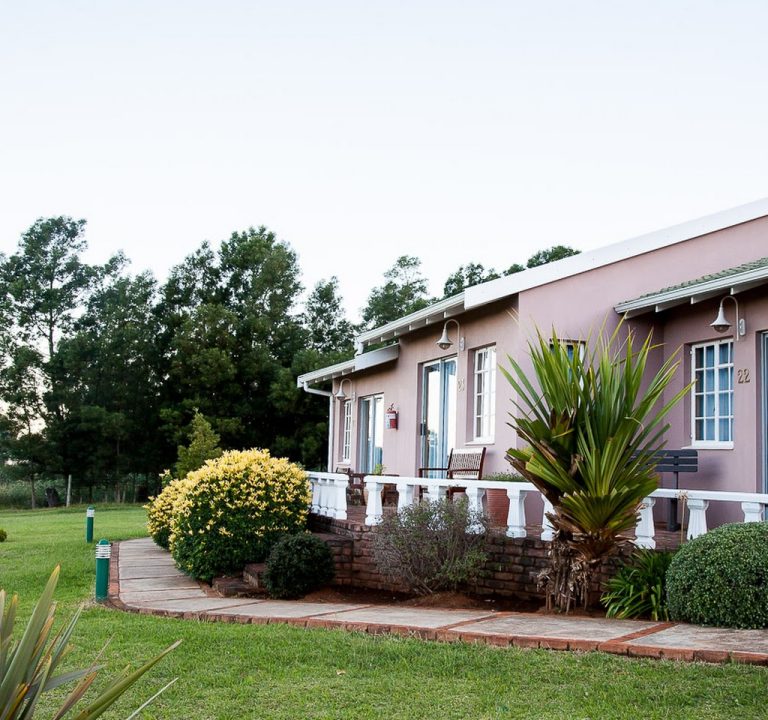
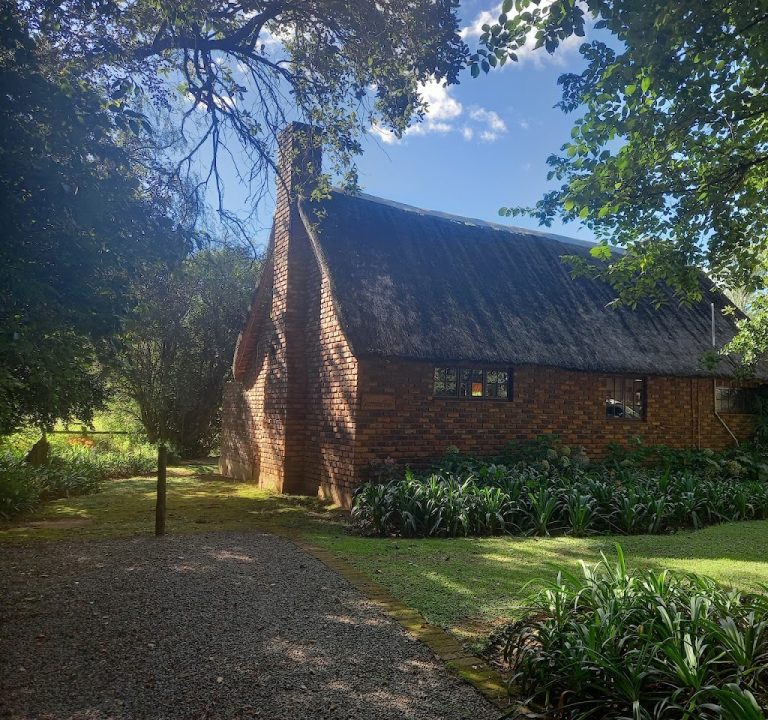
Accommodation options in Stutterheim range from traditional guesthouses with B&B hospitality to self-catering units that feel like a home away from home. Self-catering stays—such as Amber Lodge Guest House if you’re seeking a private, fully equipped space—offer the comfort of a well-equipped kitchen, living area and outdoor spaces, making them ideal for families, groups or travellers who prefer a slower pace and the flexibility to cook meals and pack picnics for day trips. When booking self-catering, check what is provided in the kitchen, whether there is sufficient linen and towels, and if cleaning services are arranged or available on request. For those who want a more intimate, personalised experience, small guesthouses can provide warm hosts, local recommendations, and a sense of place that larger hotels sometimes struggle to convey.
Planning your stay involves a few practical considerations. First, decide which area suits your plans. The town centre is usually convenient for walking to small shops, cafés and casual eateries, while a countryside edge location can offer more expansive views, quieter streets and easy access to walking trails, forest routes and rural scenery. If visibility of the night sky or stargazing appeals, look for places with low light pollution and clear outdoor spaces. Second, consider your transport needs. A car is often the easiest way to explore the region, given the distances between natural areas and amenities. If you’re without a vehicle, check note-worthy local taxi options or proximity to spots that are reachable by bus services or organised day trips. Finally, think about seasonal circumstances. The Eastern Cape enjoys mild winters and warm summers, but mountain areas can experience sudden weather changes, so pack layers and a weather-appropriate wardrobe.
Typical amenities to look for include reliable heating or good insulation for cooler months, a cosy living area for evenings in, and outdoor spaces such as verandas or gardens to enjoy the fresh air. In self-catering properties, a well-equipped kitchen, good cooking equipment, a dining area and clear guiding notes about local supermarkets, bakery options and takeaways can make a big difference. In guesthouses, a comfortable bed, clean private bathrooms, secure parking and thoughtful extras like Wi‑Fi, a kettle with good tea options and a small pantry for snacks can elevate the stay. Don’t hesitate to ask hosts about practicalities such as late check-in arrangements, house rules, or local recommendations for safer walking routes after dark.
When it comes to attractions and experiences, Stutterheim offers scenic landscapes and easy access to outdoor pursuits without requiring long travel times. Expect gentle forest drives, easy hiking routes near the town, and opportunities to enjoy the pastoral atmosphere of the Eastern Cape. For a broader day out, consider excursions towards nearby natural areas where forests, rivers and viewpoints unfold along tranquil routes. Visitors often combine a leisurely day in the countryside with a stop at a local café or bakery to sample traditional SA fare in a friendly setting. For those interested in deeper cultural encounters, local museums or heritage sites may provide context about the area’s history and the rural way of life that characterises the region.
Dining options in and around Stutterheim tend to emphasise simple, home-style cooking and fresh, regional ingredients. Expect casual eateries and cafés offering breakfast, light lunches and comforting evening meals, with possibilities to enjoy grilled dishes or traditional flavours in a relaxed environment. If you’re staying in a self-catering unit, you’ll have the option to prepare meals you’ve picked up from nearby shops or markets, which can be a cost-effective and convenient choice after a day spent outdoors. When planning where to eat, consider places that are easy to reach on foot or via a short drive from your accommodation, and look out for venues that prioritise friendly service and a warm, welcoming atmosphere.
Best time to visit Stutterheim tends to be during the spring and autumn shoulder seasons when the weather is mild, crowds are lighter and the countryside is particularly scenic. Summer brings longer days that are ideal for outdoor exploring, but expect occasional showers, while winter is cool and crisp, perfect for cosy evenings in. Packing a light rain jacket and sturdy walking shoes will serve you well whatever the season. Practical tips include booking accommodation in advance during peak travel periods, confirming check-in times, and asking hosts for tailored suggestions—such as safe walking routes, must-try cafés and any seasonal events or markets.
Useful planning checklist for a stay in Stutterheim:
- Choose your base with access to desired surroundings (town centre vs. countryside).
- Confirm self-catering provisions, or inquire about breakfast options if staying in a guesthouse.
- Assess transport needs and proximity to shops, eateries and trailheads.
- Pack layers, a light rain jacket and sturdy footwear for varied weather.
- Ask hosts for local activity tips and safe, scenic routes.
For more ideas on planning your trip, you can explore official tourism resources in South Africa and regional travel guides. A stay in Stutterheim offers a gentle, countryside rhythm with friendly hospitality, making it a peaceful base from which to enjoy the Eastern Cape’s natural beauty and uncomplicated, traveller-friendly experiences.