Polokwane, Limpopo: Where to stay, what to do and how to plan your visit
Polokwane, the provincial capital of Limpopo, is a convenient gateway to the northern South African travel routes and a lively base for exploring the surrounding landscape. When planning a stay, consider the city’s different neighbourhoods and what you want from your trip. Central areas offer easy access to shops and dining, while residential suburbs are typically quieter and suited to longer stays. Lodges and guesthouses line many of these routes, giving a sense of local charm alongside practical comforts.
Areas to consider for accommodation include the city centre for walkable access to bars, cafés and markets, and the northern and western suburbs for a more relaxed, family-friendly ambience. If you’re visiting for wildlife or nature, look for properties within easy reach of protected areas and nature reserves on the outskirts of the city. For business travellers or longer holidays, self-catering lodges or guesthouses with kitchen facilities can be a wise choice to cut costs and provide flexibility.
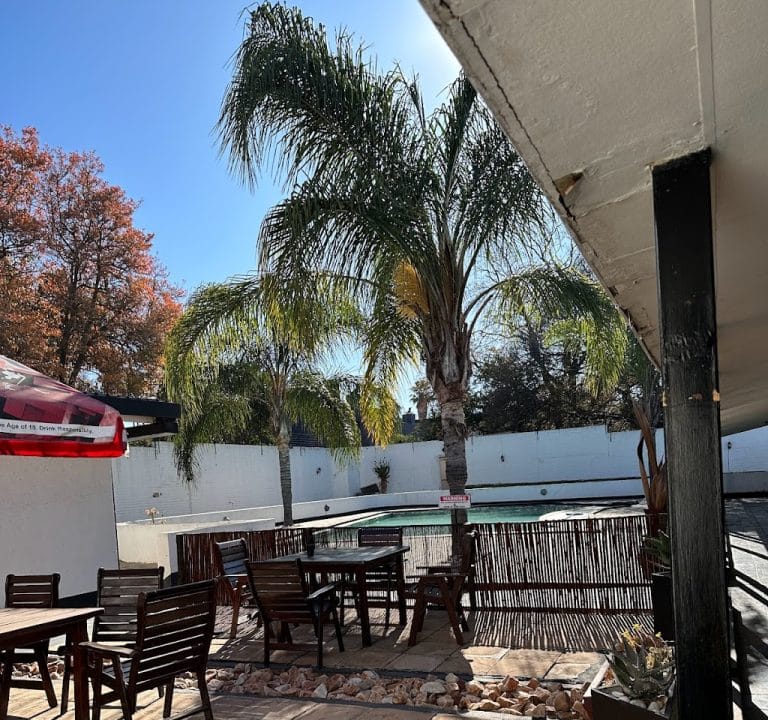
When booking, think about what matters most to you. Room configuration, private bathrooms, and on-site facilities tend to influence daily comfort more than price alone. Be sure to check whether the property offers free parking, reliable Wi-Fi, a predictable hot water supply, and clear housekeeping schedules. If you’re travelling with children or companions, ask about family rooms, extra beds, or crib availability. For downtime between excursions, a shaded outdoor area, pool, or communal lounge can make a big difference to your stay.
Typical amenities in Polokwane accommodations often include air conditioning or fans for the warm months, ceiling fans for the milder mid-year periods, and secure parking. Many lodges and guesthouses provide breakfast options, and some offer dinner on request or half-board arrangements. If you have dietary preferences, it’s worth asking about menu options or self-catering facilities. A well-equipped room with a minibar or small kitchenette can be particularly appealing for longer visits or if you prefer to prepare light meals after a day of sightseeing.
Transport considerations are important. Polokwane International Airport serves the region, and having a car is usually the most convenient way to explore both the city and hinterland attractions. If you prefer not to drive, check whether your accommodation can arrange transfers or recommend trusted local drivers. Public transport within the city is available, but for trips to outlying reserves or rural experiences outside the city, a car provides the most flexibility and time efficiency.
The best time to visit Polokwane depends on what you want from your trip. The dry season, roughly May to September, offers pleasant daytime temperatures and clearer skies—ideal for outdoor activities and city sightseeing. The wet season, typically from October to April, brings lush vegetation and occasional showers; this period can be more humid, but it also offers a different visual experience and fewer crowds in some areas. If you plan a wildlife outing or a day trip to nearby reserves, coordinating with local operators to fit light periods of activity is wise, as some excursions are sensitive to weather and road conditions.
In terms of must-see experiences, plan a mix of urban charm and relaxed outdoor time. Polokwane’s markets, central square, and artisan workshops provide insight into local culture and crafts. Nearby nature reserves and parks offer opportunities for guided walks, birdwatching, and scenic drives. When you’re deciding on a stay, look for hostels, lodges or guesthouses that can help curate day trips or provide recommendations for self-guided excursions. The emphasis should be on a comfortable base from which you can easily reach both city amenities and the surrounding countryside.
From a dining perspective, Polokwane has a range of eateries that reflect Limpopo’s culinary influences. In addition to hotel and lodge dining rooms, you’ll find casual cafés and family-friendly restaurants offering both local flavours and more familiar favourites. If you enjoy sampling regional cuisine, ask your host for recommendations on districts or precincts where you can explore a walkable dining circuit. For a relaxed evening in, a stay with a well-equipped kitchenette can support a mix of self-catering and restaurant dining.
Practical tips to help you get the most from your stay:
- Book early if you’re visiting during peak school holidays or major public events, as Polokwane can attract visitors from across the region.
- Request a room away from street level if you prefer quieter nights, especially in busy periods.
- Confirm access to on-site parking and the reliability of Wi-Fi for work or streaming.
- Ask about breakfast options and dinner arrangements, and whether there are nearby dining choices within a short walk or drive.
- If you’re visiting for wildlife experiences, coordinate with your host about transport options and realistic daily itineraries.
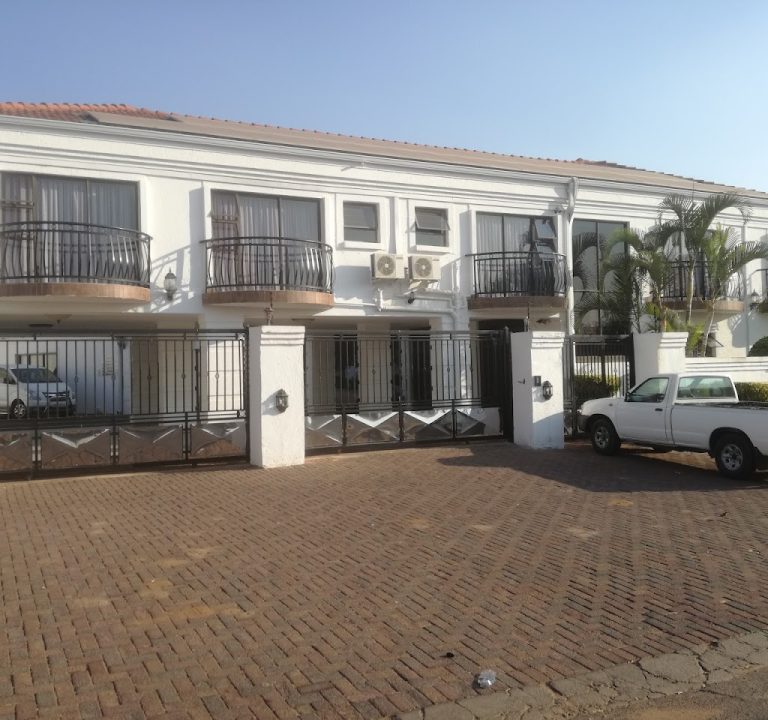
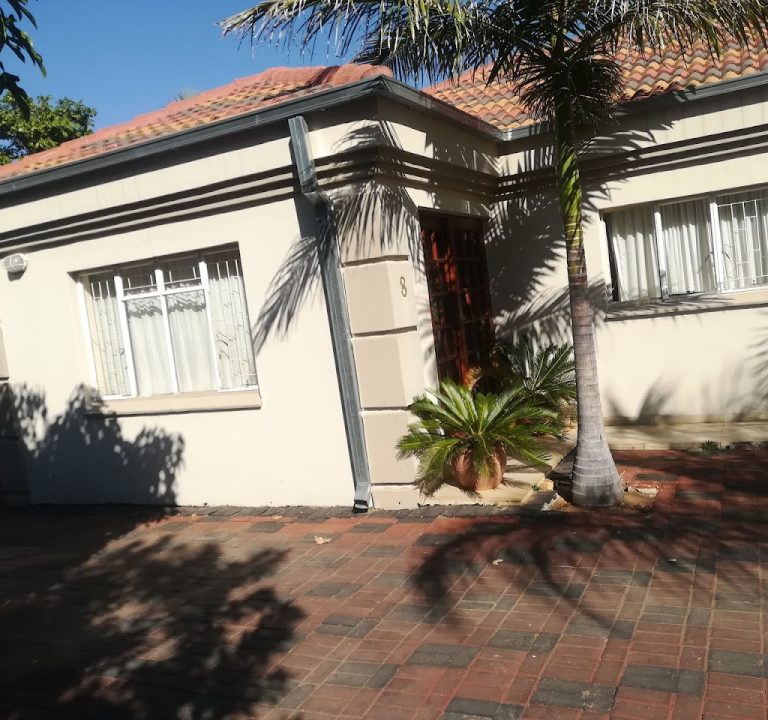
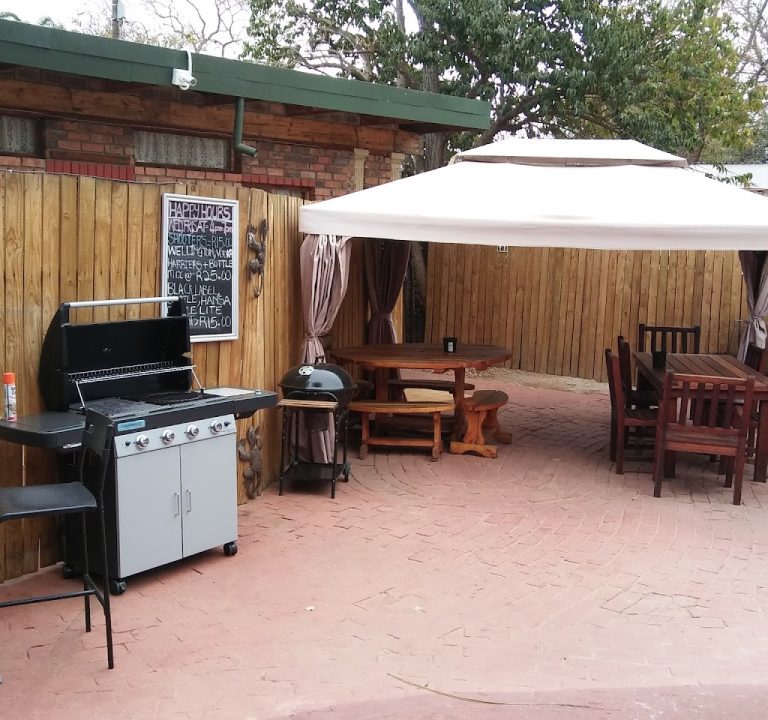
One example of accommodation within Polokwane is The Shamrock Lodge, which represents the lodge-style options available in the area. Such properties typically offer a compact, comfortable base with an emphasis on a personal touch and easy access to the city and surrounding sights. When researching, read recent guest reviews to gauge consistency in cleanliness, service, and value. Cross-check distance to the places you plan to visit to minimise daily travel time and maximise time enjoying your chosen experiences in Limpopo.