Polokwane, Limpopo: Accommodation, Attractions and How to Plan Your Stay
Polokwane (formerly Pietersburg) sits at the heart of Limpopo and serves as a practical base for exploring the province’s landscapes, wildlife and cultural heritage. When planning a stay, consider a mix of central convenience and quieter neighbourhoods that offer easy access to sights, dining and transport links. The city centre is ideal for accessing shops, markets and nightlife, while surrounding suburbs and gated lifestyle estates can provide a calmer ambience and more private facilities. For visitors interested in nature and wildlife, day trips to game reserves and the nearby Highveld plains can be easily combined with an overnight stay in town.
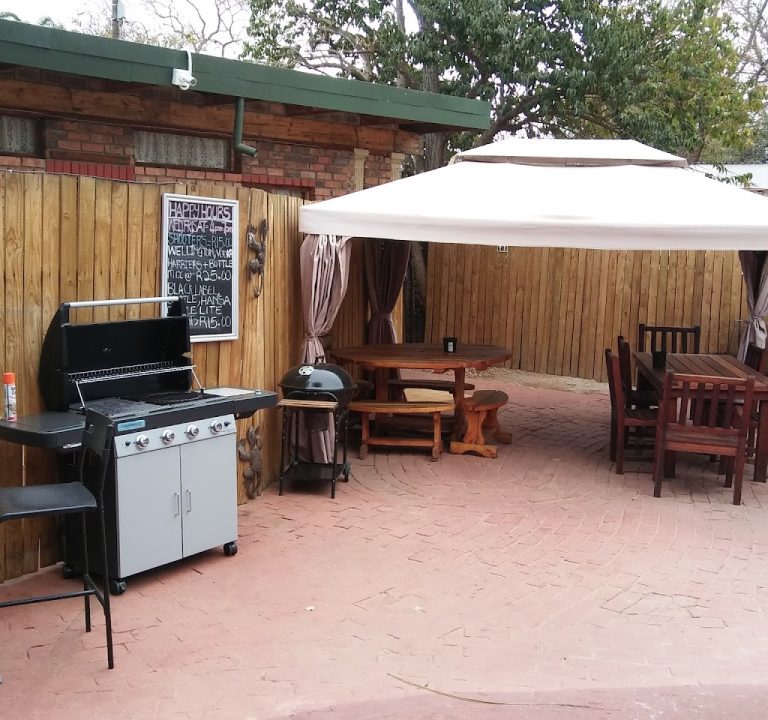
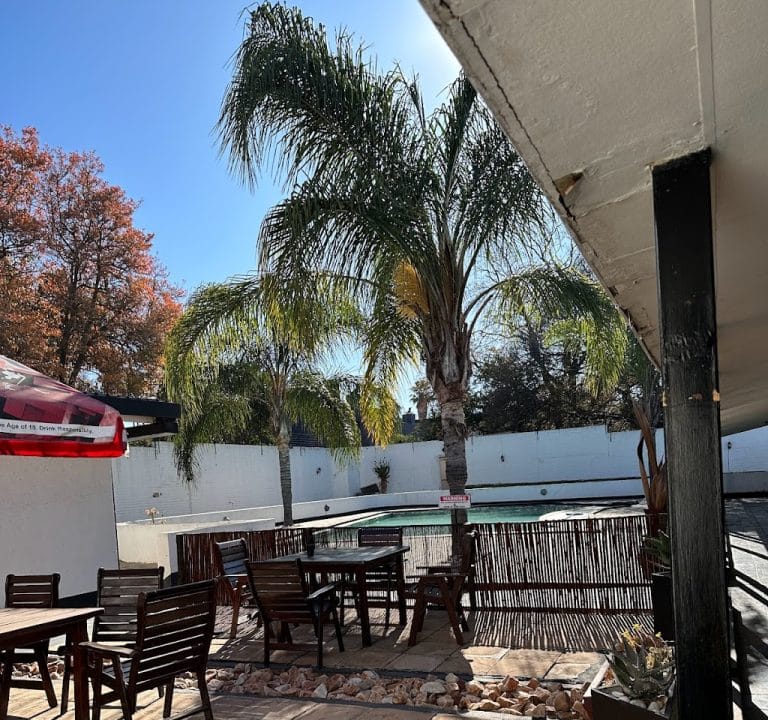
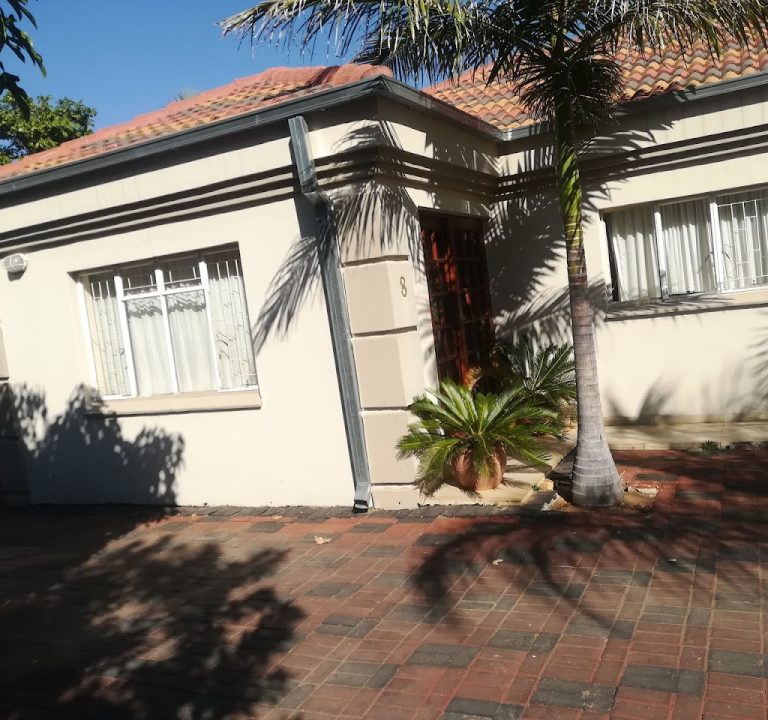
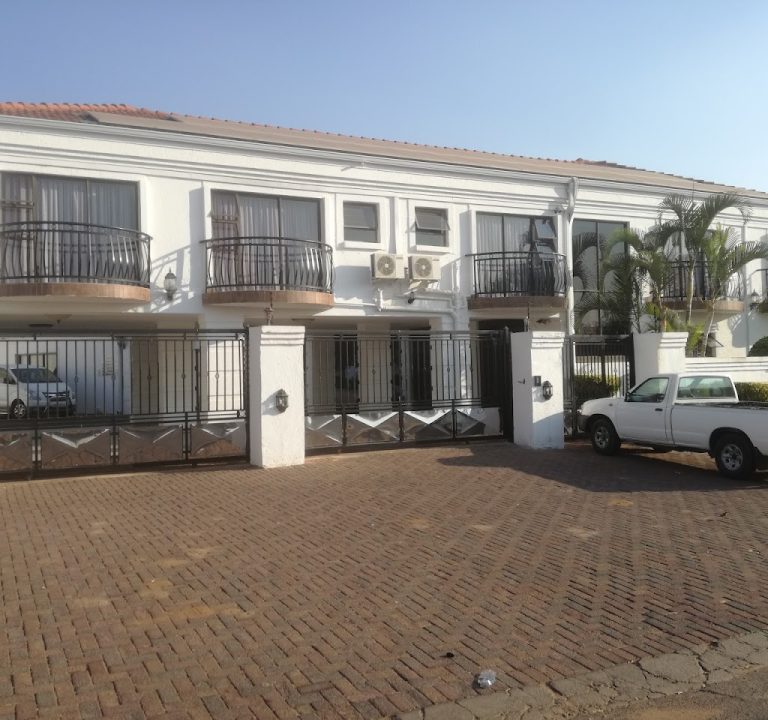
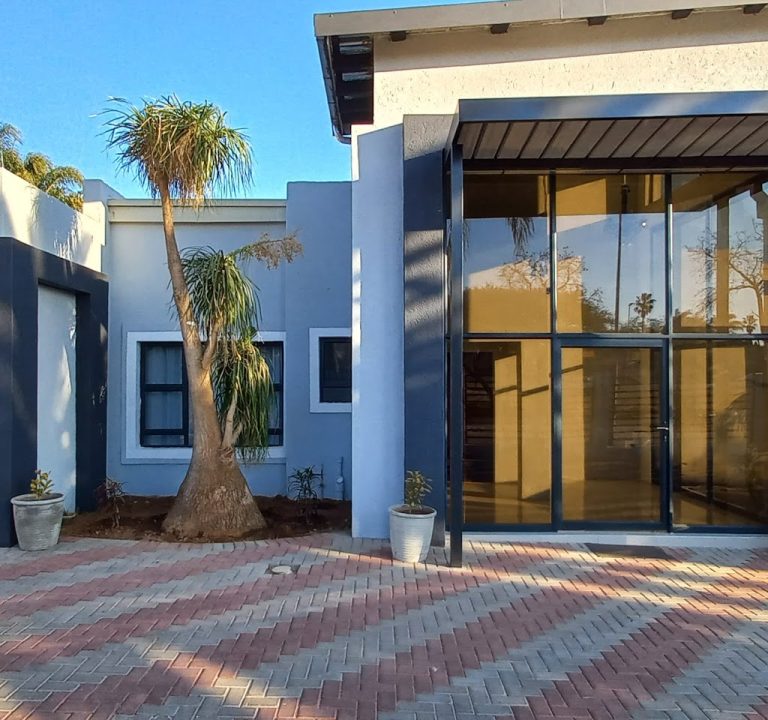
Accommodation options in Polokwane range from comfortable guesthouses and boutique hotels to bigger hotels and lodge-style establishments. Masana Lodge, a well-regarded option in the wider area, exemplifies the mix of personal service and practical comfort that many visitors value. Expect well-appointed rooms or suites, on-site dining or a generous breakfast offering, reliable housekeeping, and access to essential amenities such as complimentary Wi‑Fi, secure parking and a friendly reception team. Budget travellers can find straightforward guesthouses and guest rooms near the city centre or in residential streets, while families and travellers seeking more space may prefer self-catering flats or lodges with swimming pools and gardens.
Areas to consider for your stay include:
- Polokwane central and the commercial district for ease of sightseeing, shopping and dining.
- Residential suburbs surrounding the city centre, often offering quieter nights and secure parking.
- Outlying lodges and boutique retreats on the edge of town or along routes to nature reserves, which can provide a more immersive countryside experience.
What to look for when booking a stay in Polokwane matters as much as the price. Prioritise comfortable beds, clean en-suite bathrooms, good lighting, and reliable Wi‑Fi. If you plan to drive, confirm secure on-site parking or nearby street parking. For longer stays, check for a kitchenette or self-catering facilities, a guest lounge, and the availability of a pool or garden area to unwind after a day of touring. Accessibility is another practical consideration; some properties offer ground-floor rooms or lifts, which can be important for travellers with mobility needs. If you’ll be hiring a car, proximity to major routes such as the N1 makes day trips to wildlife reserves and scenic viewpoints straightforward.
Typical amenities you might encounter include air conditioning or fans for the heat, laundry services, daily housekeeping, and on-site dining or room-service options. Many establishments in Polokwane offer breakfast inclusions, which helps simplify mornings before a day of exploring. If you’re seeking a touch of local character, look for guesthouses and boutique hotels that showcase regional décor and provide friendly, insider tips on where to eat, shop and explore beyond the obvious sights.
Getting around Polokwane is reasonably straightforward. The town is designed for road travel, and a rental car often provides the most flexibility for sightseeing beyond the city centre, such as into nearby wildlife reserves or the nearby escarpment routes. Taxis and ride-hailing services are available, but plan ahead for peak times when services may be in higher demand. If you’re visiting without a car, choose a central accommodation with good access to taxi routes or a guesthouse that can assist with arranging practical day trips or transfers.
When to visit Polokwane? The region enjoys a distinct dry season in winter and a wetter summer. Many travellers prefer the cooler winter months (May to August) for comfortable outdoor activity and wildlife viewing in nearby reserves, while the summer months (roughly November to February) bring lush landscapes and vibrant birdlife, albeit with hotter days and occasional rain. If your visit centres on cultural experiences, plan for markets, exhibitions and community events that tend to be scheduled throughout the year, with a focus on South African heritage and Limpopo’s matriarchal and cultural traditions.
Attractions and experiences in and around Polokwane are varied and can be enjoyed without committing to long itineraries. Within the city, you’ll find museums, parks, and markets that celebrate local culture, craftsmanship and history. Round-trip day trips can take in nearby wildlife reserves, where morning game drives offer opportunities to spot plains game in open terrain. Mid-range itineraries often balance a little wildlife time with a chance to stroll through markets or stop by cafés and restaurants that showcase regional flavours. For a more immersive stay, seek accommodation that can arrange guided tours, sunset viewpoints, or cultural encounters led by local guides, which adds depth to a visit without requiring a rigid schedule.
Dining and nightlife in Polokwane vary from casual bistros and traditional eateries to more contemporary restaurants. Expect menus that reflect Limpopo’s culinary influences, with a focus on fresh ingredients and approachable, family-friendly dishes. Many properties partner with nearby cafés and restaurants to offer guests curated dining experiences, whether it’s a hearty breakfast before a day of exploring or a relaxed dinner after a day on the road. If you enjoy markets and street-food thoughts, you’ll find opportunities to sample regional snacks and craft beverages in places that celebrate the town’s cosmopolitan mix.
Planning a visit to Polokwane can be straightforward with a little advance booking and a flexible itinerary. Choose accommodation that suits your pace—whether you want easy access to city sights or a quiet retreat on the city’s edge. Check for practical details such as parking, room layout, and dining options, and consider how you’ll allocate your days between wildlife, culture, and practical errands like shopping for essentials. With thoughtful planning, Polokwane offers a comfortable base from which to explore Limpopo’s landscapes, people and hospitality.