Durban in KwaZulu-Natal: a practical guide to accommodation, attractions and dining
Durban sits along the Indian Ocean with a subtropical climate, making it a year‑round destination for beach lovers, families and urban explorers. A stay here can range from modern city hotels on the foreshore to characterful guesthouses tucked away in leafy neighbourhoods. When planning a visit, consider what kind of base will suit your plans—whether you want direct access to the beach, easy transit to city sights, or a quieter, residential ambience with easy parking.
Durban’s accommodation is spread across several distinct areas, each with its own mood and advantages. The beachfront precincts offer walkable access to the Golden Mile, the harbour, and a lively promenade, while the central and Berea districts tend to provide vibrant dining scenes, cultural venues and convenient transport links. If you prefer a more contemporary, resort‑style feel, coastal towns a little further north can provide larger hotels and modern amenities, often with sea views and well‑maintained pools.
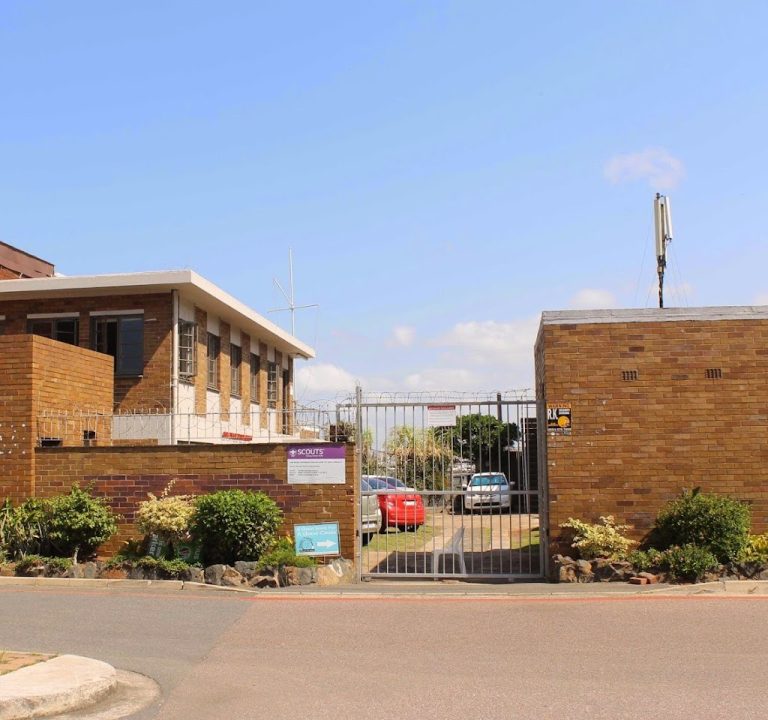
What to look for when booking a stay in Durban is largely about practicality as well as atmosphere. Consider the distance to the places you most want to visit, not only the beach. Check for on‑site parking if you’ll be driving, or confirm proximity to safe, well‑lit public transport routes for evenings out. Look for properties with reliable WiFi, air conditioning (important in the hot summer months), and flexible breakfast options if you want a low‑effort start to the day. For families, note whether rooms can be configured for extra beds or cribs, and whether the property has a pool or kid‑friendly spaces. If you’re travelling with a car, request easy loading/unloading zones and clear directions to nearby parking facilities.
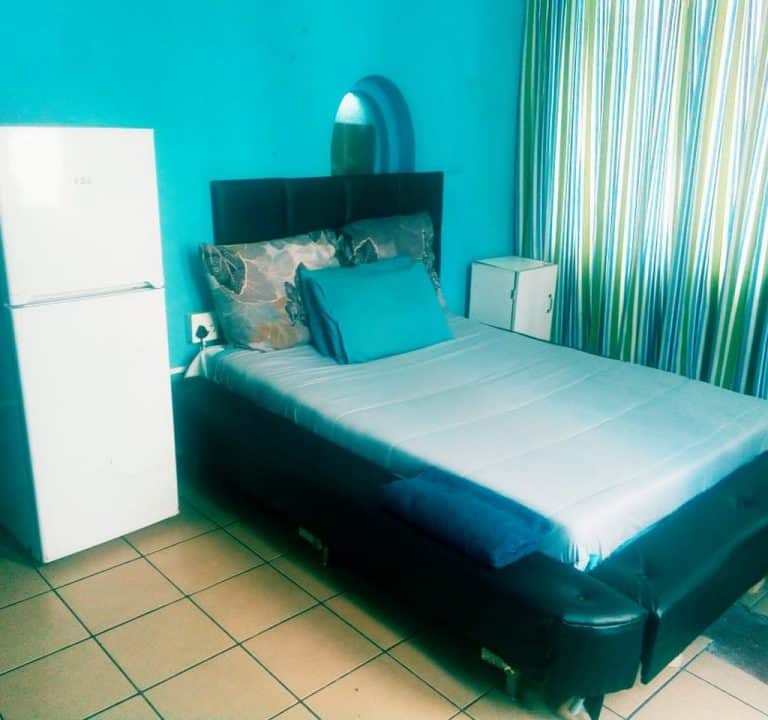
Typical amenities you’ll come across include free WiFi, en‑suite bathrooms, tea and coffee facilities, and in some cases access to a kitchenette or communal laundry. A number of hotels and guesthouses offer breakfast packages or light meals, which can be convenient for busy sightseeing days. Swimming pools are common at hotel properties along the coast, while boutique guesthouses may feature intimate lounges, courtyards and curated décor that reflect Durban’s diverse cultural influences. If you’re planning a longer stay, a property with a small gym, business corner or co‑working space can be a real asset.
Getting around Durban is straightforward but requires a little planning, especially if you are staying away from the coastline. Many visitors rely on car hire or trusted ride‑hailing services for flexibility, particularly when exploring inland attractions and suburban dining spots. The city’s beaches are a short ride from most central hotels, and for day trips to nearby rural landscapes or wildlife reserves, having a car can be a time‑saver. If you prefer public transport, ask your accommodation for the best routes and schedules to popular sights; some areas are well served by bus or rail routes, while others are easier accessed by car.
The best time to visit Durban is during the drier, cooler winter months or the pleasant shoulder seasons. Winter (June to August) is mild rather than cold, and you can enjoy comfortable days with lower humidity. Summer (December to February) brings warmth and regular afternoon showers, but the sea remains inviting, and the city’s lush gardens thrive in rain. If you’re visiting during school holidays or events, book well in advance and be prepared for higher demand and prices in central areas.
When planning your days, consider a mix of beaches, outdoor spaces and cultural experiences. Durban’s coastline is lined with family‑friendly beaches, promenades and opportunities for waterside activities. Beyond the shore, you’ll find expansive botanical gardens, urban parks and protected natural areas within easy reach. Cultural highlights include historic quarters with a rich tapestry of influences, as well as markets and eateries offering a spectrum of dining experiences from traditional comfort foods to modern, fusion concepts.
For dining, Durban is renowned for its coastal flavours and vibrant street life. You’ll encounter a range of casual cafés, modern bistros and traditional eateries serving seafood, curries and South African favourites. In the evenings, you can find restaurants and venues that offer live music, crafts and a festive atmosphere, ideal for soaking up the city’s energy after a day of sightseeing. When selecting dining options, look for places with a relaxed, family‑friendly approach or a buzzing urban vibe, depending on your mood and plans for the night.
Practical planning tips for a smooth stay in Durban:
- Choose an area based on your itinerary: beachfront stays for sun and sea; the central/berea region for dining and culture; or quieter suburbs for a restful break.
- Book accommodation with on‑site parking or clear instructions to nearby safe parking if you plan to drive.
- Check whether the property offers secure access, especially if you’ll be returning late after evenings out.
- Prioritise reliable WiFi and flexible breakfast options to suit early starts or long days out.
- Pack sun protection, light layers for evenings, and a light rain jacket for summer showers.
Durban’s mix of modern hotels, guesthouses and lodges makes it easy to tailor a stay to your preferences and budget. By weighing location, transport options and amenities, you can enjoy a comfortable base from which to explore the city’s beaches, parks and cultural districts, while sampling the diverse dining scene that reflects Durban’s cosmopolitan spirit.