Durban: Accommodation and a guide to planning a stay in KwaZulu-Natal’s bustling coast
Durban blends subtropical climate, a sweeping coastline and a rich mix of cultures, making it a popular base for exploring KwaZulu-Natal. When choosing where to stay, consider proximity to the beachfront for easy sea air and strolls along the promenade, or opt for the city centre for quick access to markets, museums and lively dining spots. Suburbs such as Morningside, Durban North and Umhlanga offer a variety of options from boutique guesthouses to modern hotels, while historic districts provide character-lined streets and easy transport to top sites. If you are travelling with family, look for properties with spacious rooms or suites and child-friendly areas on-site, as well as access to safe strolls and nearby parks or beaches.
Typical accommodation in Durban ranges from stylish boutique hotels and modern high-rise towers to comfortable guesthouses and self-catering apartments. Many properties in coastal areas include features geared to the beach-going traveller: secure parking, easy access to the promenade, pool facilities, and on-site dining. When booking, consider the following practical aspects: natural ventilation and air conditioning for the humid subtropics, reliable Wi-Fi for work or streaming, and clear information about access to beaches or private pools. If public transport is your plan, check how close the property is to rail or bus stops, and whether there are safe walking routes to key sights after dark.
Durban’s climate is generally warm and humid in summer (roughly October to March) with a milder, dry season in winter. The best time to visit if you want to combine sightseeing with beach days is during the shoulder seasons—late spring and early autumn—when rainfall is lower and the city is less crowded. Public holidays and school holidays can be busy, especially around the coast, so booking well in advance is advisable for popular locations. For a taste of local life, consider visiting midweek when taxis and ride-hailing are often easier to arrange and the atmosphere in some neighbourhoods is more relaxed.
Transport in Durban is built around the coastline, with convenient options to reach major attractions. Renting a car offers the most flexibility for day trips to inland reserves, traditional villages, or shopping hubs. If you prefer not to drive,街 ride-hailing services, organised tours, and local taxis can cover most trips within the metropolitan area. When planning routes, factor in peak traffic times along the N2 corridor and coastal highways, especially during weekends in the summer. Some properties offer shuttle services to popular beaches or city centre attractions; it’s worth asking about these options during reservation.
Durban features a broad mix of attractions and experiences that suit different interests. A stroll along the golden sands and the bustling promenade provides a classic Durban welcome. Cultural highlights include markets and galleries that celebrate Zulu heritage, as well as architectural pockets that reflect the city’s colonial past. For families and outdoor enthusiasts, nature reserves and coastal reserves offer opportunities for walks, birdwatching and scenic views. Food lovers can enjoy a diverse culinary scene, from roosts of local eateries to more cosmopolitan restaurants along the beachfront and in residential suburbs; menus commonly focus on fresh seafood, grilled dishes and a fusion of flavours that reflect the city’s multicultural roots. While specific venues and offerings vary, most places prioritise fresh ingredients and easy, relaxed service that suits both casual meals and special occasions.
When selecting accommodation, consider the following areas and what they typically offer:
- Beachfront and promenade areas for sea views and easy access to sand and surf
- City centre and business districts for proximity to markets, museums and nightlife
- Residential suburbs with quieter streets and family-friendly amenities
- Suburban coastal towns such as Umhlanga for a resort-like feel and high-end dining
Useful tips to make the most of a Durban stay:
- Book with a clear cancellation policy, especially for peak travel times.
- Check for amenities such as air conditioning, reliable Wi-Fi, secure parking and beach gear storage.
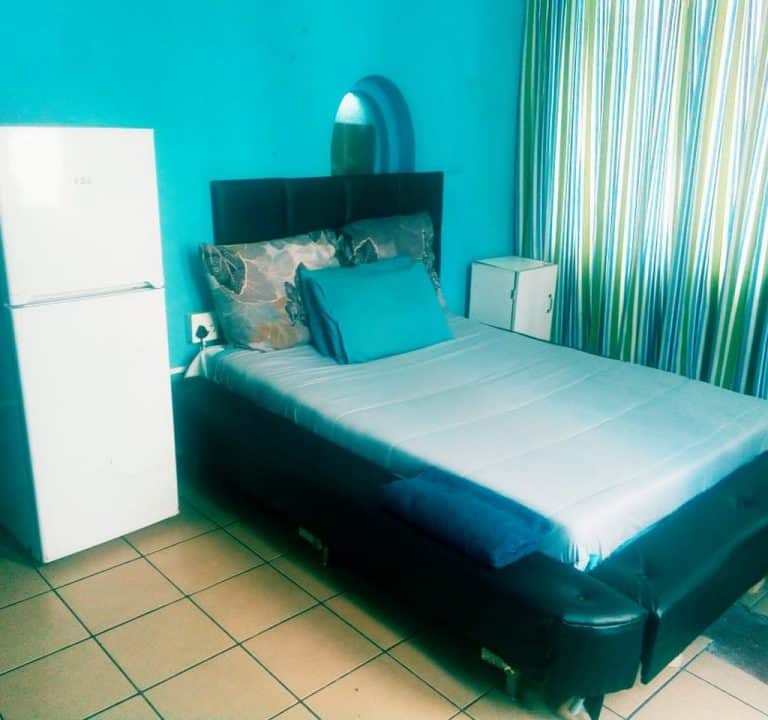
- Ask about access to kitchens or tea-making facilities if you prefer self-catering options.
- Explore a mix of accommodation types to experience different neighbourhoods and price points.
- Plan a few signature meals or river or harbour-front walks to anchor your itinerary.
Finally, consider pairing your stay with a couple of guided experiences or a food-focused outing to sample Durban’s coastal culture. Reputable operators and visitor centres can help you tailor a programme around the city’s historic sites, markets and scenic viewpoints. For more information on current events, neighbourhood guides and suggested itineraries, you can visit Durban’s official tourism resources or local visitor pages. A well-chosen base in Durban makes it easy to balance restful downtime with the energy of the city, and to discover the soul of KwaZulu-Natal through its coastline, markets and welcoming eateries.