Cape Town: Accommodation planning, areas to stay, and how to make the most of your visit
Cape Town is a city of striking contrasts, from dramatic coastlines to vin-lined valleys and cobbled streets that echo with history. When planning a stay, choosing the right neighbourhood can shape your days and evenings—from easy access to iconic viewpoints to shortcuts for reaching the city’s vibrant dining scene. Self-catering options, boutique guesthouses, and stylish lodges offer flexible ways to enjoy a longer break or a short city escape.
Areas to consider
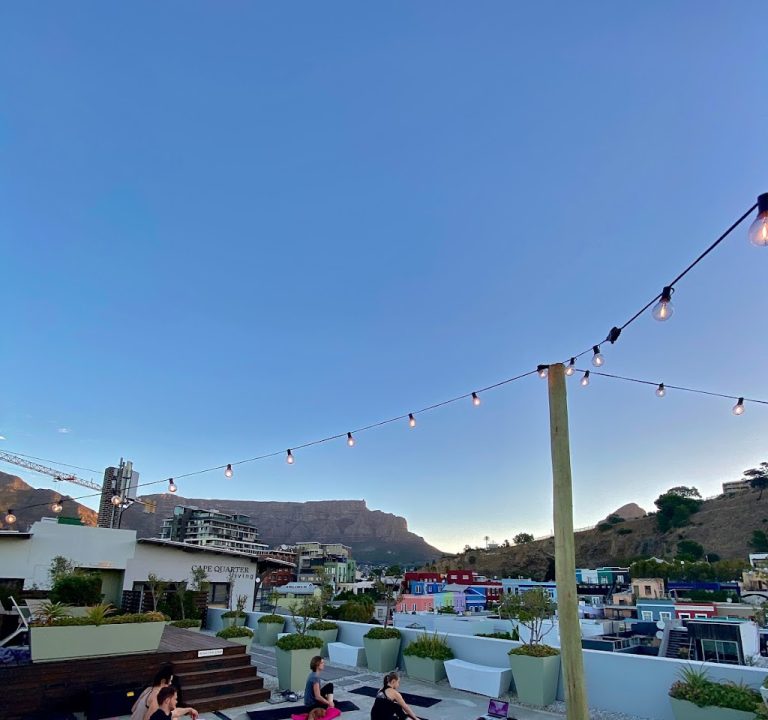
The City Centre and the Bo-Kaap offer central access to museums, markets, and waterfront activities, paired with a lively urban atmosphere. The V&A Waterfront and nearby Green Point are convenient for families and travellers who value easy access to bars, restaurants, and harbour excursions, with many properties providing superb sea views. For beach lovers, Camps Bay and Clifton present glamorous coastline with sunset dining options and stylish guest accommodation, while coastal towns such as Sea Point provide a more relaxed, walkable environment with a mix of guesthouses and serviced apartments.
Constantia and Noordhoek sit further from the bustle, delivering tranquil vineyards and scenic countryside, ideal for visitors seeking quiet mornings and outdoor adventures, plus easy access to the southern peninsula’s peaks and beaches. The Cape Winelands, a short drive away, are perfect as a day trip for wine tastings and gourmet meals, complementing a stay centred in the city or a countryside add-on.
What to look for when booking
- Location and views: Acknowledge travel time to your planned activities, such as Table Mountain, the Atlantic beaches, or the V&A Waterfront.
- Self-catering or on-site facilities: If you prefer flexibility, look for well-equipped kitchens, laundry facilities, and living spaces.
- Accessibility and transport links: Proximity to MyCiTi routes, rail links, or major roads can simplify day trips to the Cape Peninsula, Constantia, or the winelands.
- Amenities and security: A reliable Wi-Fi connection, secure parking, and 24-hour reception or on-site staff can ease your stay.
- Guest reviews and host communication: Clear expectations around cleaning schedules, check-in procedures, and guest support matter in any stay.
Typical amenities you might expect
- Well-equipped kitchens with essential appliances for self-catering stays
- Cozy living areas and private terraces or balconies with mountain or sea views
- Wi-Fi and entertainment options, such as smart TVs
- On-site parking or convenient public transport access
- Housekeeping services or self-cleaning arrangements in some properties
Transport and getting around
Cape Town’s geography makes some areas easier to reach than others. MyCiTi buses provide a practical public transport option in the city core and along the Atlantic Seaboard. Taxis and ride-hailing services are widely available, while many visitors opt for a hire car to explore the surrounding winelands, coastal towns, and nature reserves at their own pace. If you stay near the Waterfront or Green Point, you’ll find walkable routes to ferries, markets, and scenic viewpoints.
When to visit and practical planning tips
The best time to visit Cape Town is during the Southern Hemisphere spring and autumn, when the days are mild and the coastal scenery is at its most photogenic. December to February brings warmer weather and lively outdoor events, but it can also be busier. March to May and September to November are excellent for outdoor activities with fewer crowds and pleasant temperatures. Keep in mind that Cape Town’s weather can be changeable—pack a light layer for breezy evenings and a sunhat for daytime outings.
Experiences to combine with a stay
Beyond a comfortable home base, consider planning activities that showcase the region’s diversity. Iconic cable-car rides or scenic hikes offer dramatic views from Table Mountain. A full day can include a drive along the scenic Atlantic coast, a visit to nature reserves and beaches, and time in the city’s markets and eateries. The Cape Peninsula route invites coastal towns, viewpoints, and penguin colonies, while a short drive inland opens up the verdant winelands for vineyard tours and cellar tastings. For culture and history, museums, galleries, and heritage sites provide deeper insights into the city’s past and present.
Accommodations to consider in Cape Town
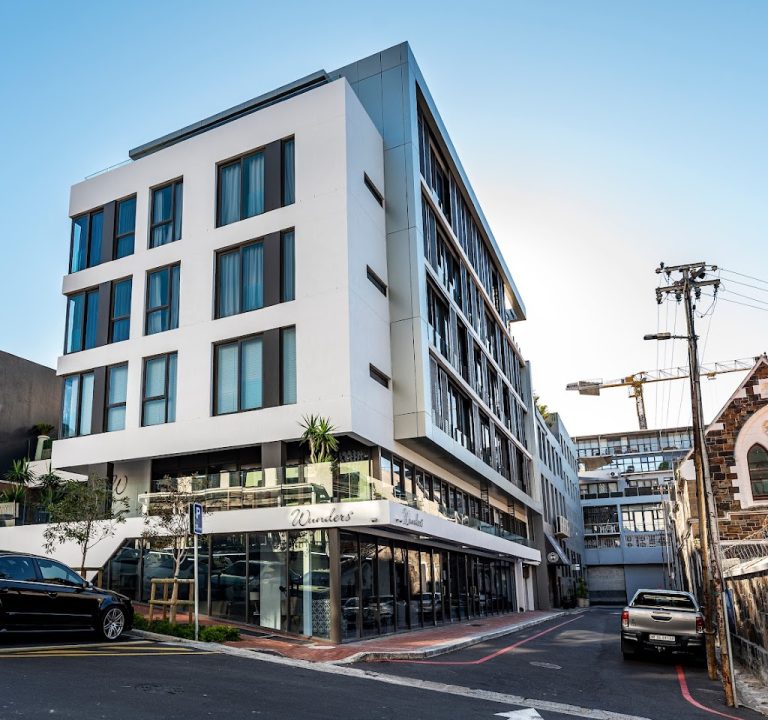
Self-catering options such as stylish suites or apartment stays offer flexibility for couples, families, and groups who value home comforts and privacy. There are boutique guesthouses with personalised service for a more intimate experience, and lodges or hotels positioned for convenience to key sights and transport links. A notable example in the market is The Rockwell Luxury Suites, a self-catering option designed to blend city access with comfortable, contemporary spaces. For those seeking a refined base with easy access to dining and activities, a stay here could form part of a well-balanced itinerary. More information can be found on their official site: https://www.rockwellluxurysuites.co.za/.
Planning a balanced itinerary
Aim to split your stay between a central neighbourhood for easy access to sights and a quieter area for relaxation. Allocate mornings to outdoor activities or museum visits, and reserve late afternoons for a seaside walk, coffee, or a sunset meal with a view. When booking, verify the cancellation policy and whether there are self-check-in options, as this can streamline arrivals after late flights or long drives.
Whether you’re drawn by the city’s dramatic geography, its world-class dining, or its warm, cosmopolitan hospitality, Cape Town offers a breadth of accommodation styles to suit every traveller. With thoughtful planning around neighbourhoods, transport, and a balanced blend of sightseeing and downtime, you can craft a memorable, comfortable stay that makes the most of everything this remarkable region has to offer.