Greyton: Accommodation, Attractions and Planning Your Stay in a Tufty, Traveller-Friendly Corner of the Western Cape
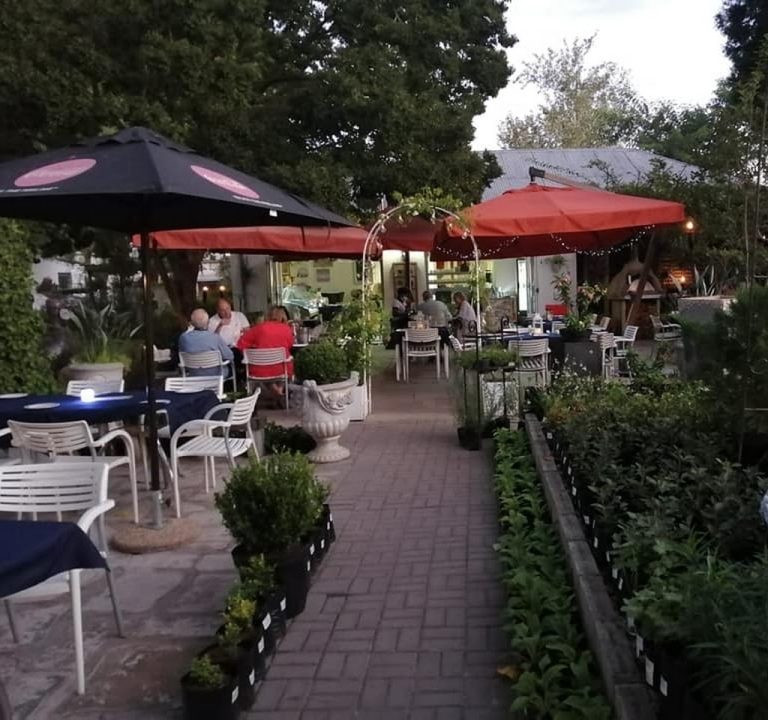
Greyton, a charming village tucked in the foothills of the Overberg, offers a mix of cosy guesthouses, boutique hotels and self-catering stays that appeal to visitors seeking a relaxed, walkable escape. The town centre is compact and intimate, with leafy streets, friendly cafés and a sense of the old-fashioned rural hospitality that makes this part of the Western Cape feel timeless. When planning a visit, think about where you’d like to stay in relation to the village core, the surrounding hills and the popular walking trails, as easy access on foot can greatly enhance your experience.
Accommodation options in Greyton range from country-style rooms above cafés to purpose-built guesthouses and small hotels. The Pinkpaleis, a local favourite for those seeking a boutique stay with character, represents the kind of place where thoughtful design and a calm atmosphere blend with friendly service. As with many Greyton properties, the emphasis is on comfort, light-filled spaces and a sense of homeliness rather than flashiness. When booking, look for en-suite bathrooms, reliable heating or cooling, secure parking, and clear guidelines on noise levels and housekeeping. A thorough description on the property’s website or a trusted travel listing will help you compare photos, room layouts and guest reviews before you commit.
To make the most of your stay, consider the different areas within Greyton. The village centre is ideal for those who want easy access to cafés, markets and short strolls along tree-lined streets. A little further out, homes tucked along the rural lanes provide a quieter, more expansive feel, often with gardens or terraces that overlook the surrounding hills. If you’re visiting with family or a group, self-catering cottages or apartments near the centre but a short walk from the main attractions can offer a practical balance between sociable evenings and tranquil mornings.
Typical amenities across Greyton’s guesthouses and hotels commonly include free parking, complimentary tea and coffee making facilities, and Wi-Fi. Some properties may offer continental or full breakfasts, with fresh, locally sourced ingredients where possible. It’s worth checking whether a property provides daily housekeeping, laundry facilities or access to shared living spaces such as a communal lounge or garden seating area. If you’re travelling with pets, be sure to confirm pet policies in advance, as not all venues accept animals.
Transport around Greyton is best approached by car or taxi for longer day trips to surrounding winelands or nature reserves. The village is pedestrian-friendly, with most amenities within a 5–15 minute walk from the centre. If you plan to explore more widely, consider renting a car to visit nearby towns and scenic routes. For a greener option, some visitors rely on bicycles to glide along gentle lanes and nature trails, taking care on livestock and farm access roads. If flying in, the nearest major transport hubs are a few hours away by road, so the journey typically combines air travel to a regional centre with a scenic overland transfer to Greyton.
Best time to visit Greyton depends on the experiences you seek. Spring and early summer bring mild temperatures and the bloom of wildflowers in surrounding fields, a favourite with walkers and photographers. Autumn offers comfortable days with cooler evenings, ideal for outdoor dining and village strolls. Winter in Greyton can be quiet and cosy, with cosy fireside evenings at accommodation venues and a slower pace that suits visitors who prefer tranquillity. If you’re planning outdoor activities, it’s wise to check in advance for seasonal weather variations and any maintenance on trails or public spaces.
When planning a stay, it helps to think about a few practical tips that can help you book and enjoy Greyton with ease:
- Book well in advance for peak seasons, especially around school holidays and public holidays.
- Read recent guest reviews for updates on cleanliness, staff availability and local tips.
- Check whether breakfast, parking or Wi-Fi are included in the rate and if you’ll have access to a kitchenette if self-catering appeals.
- Ask about walkability from your chosen accommodation to the village centre and planned walking routes.
- Plan day trips to nearby attractions or regional towns, and map out reliable driving routes in advance.
Greyton’s attractions and activities are designed to be accessible and enjoyable for visitors who value time outdoors and relaxed village life. Expect gentle nature walks, the chance to observe local birds and wildlife, and the opportunity to explore local galleries and craft shops that reflect the area’s artistic spirit. Dining options in and around the village typically foreground fresh, seasonal ingredients and wholesome, hearty fare rather than formal fine-dining, with many eateries offering light lunches, light bites and traditional favourites that suit families and couples alike. For broader experiences, look for guided walks, farmers’ markets and seasonal events advertised by Greyton’s tourism initiatives or accommodation providers. For those seeking further information ahead of a trip, reputable local tourism guides and official village websites are reliable resources to help shape your itinerary.
In short, Greyton provides a compact, welcoming base from which to enjoy the Western Cape’s natural beauty and gentle country town atmosphere. With thoughtful accommodation choices, practical planning and a relaxed approach to sightseeing, most visitors leave with a sense of having discovered a peaceful corner of South Africa that’s well suited to a restorative break, a family holiday or a creative retreat.