Greyton: accommodation, attractions, dining and practical planning tips
Nestled in the western Klein Karoo foothills of the Western Cape, Greyton is a compact yet satisfying destination for travellers seeking rural charm, easy nature trails and a relaxed pace. The village atmosphere, century-old cottages and emerald surrounds make it a favourite for weekend breaks and longer stays alike. When planning a visit, many guests focus on finding a home base that balances comfort with easy access to the outdoors, good eating options and a tactile sense of village life.
Accommodation in Greyton runs from cosy B&Bs and guesthouses to small boutique lodges and self-catering cottages. A typical stay can be very restful: expect comfortable beds, well-equipped kitchens or kitchenettes, dependable heating or cooling as appropriate, and spaces designed to feel homely rather than clinical. Many properties emphasise personal touches—handmade furnishings, locally sourced decor, and attention to privacy and quiet. When evaluating options, look for thoughtful amenities such as secure parking, wholesome breakfast options, laundry facilities for longer stays, and easy access to nearby trails or the village centre.
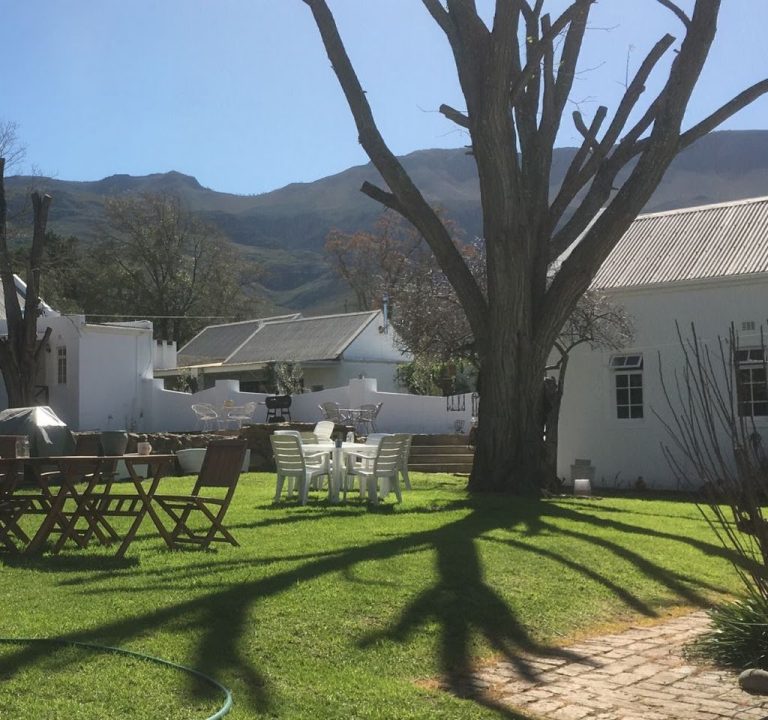
Areas to consider when booking include the village core, where you’ll find a short stroll to cafés, galleries and the main green spaces, and more secluded lanes on the hillside or in the surrounding orchards for guests seeking a quieter ambience. If you are travelling with family or a group, check for spacious suites, multiple bedrooms or self-catering capacity. For couples seeking a romantic break, a few properties offer cosy nooks, wood-burning stoves or private outdoor seating with views across the valley. Proximity to the walking trails and the Greyton Nature Reserve can be a deciding factor for those prioritising outdoor time.
Practical planning is all about preparation. Before booking, consider the season and the pace you want from your trip. Greyton’s climate is generally mild, but evenings can be cool, especially outside of summer. Spring and autumn are popular for walks and wildlife viewing, while summer brings longer days and fabulous light for photography and al fresco dining. If you rely on public transport, it is worth confirming the nearest bus routes or car hire options in advance, as Greyton is best explored with a bit of flexibility. Having a rough plan for day trips—whether a gentle hike, a visit to a nearby farm stall or a scenic drive—helps structure a relaxed stay.
Typical on-site or nearby amenities you might encounter include private or shared lounges, bookable outdoor spaces, well-equipped kitchens or kitchenettes, free Wi-Fi, and guided or self-guided walk suggestions. Apartments or cottages with dedicated parking or private entrances can enhance the sense of space and privacy, which many visitors value when staying multiple nights. Some properties also offer fæderal touches like rustic fireplaces or verandas where guests can unwind after a day of exploration. When you book, confirm the exact inclusions: breakfast arrangements, daily housekeeping, and any access limitations around common areas or gardens.
Transport within Greyton is best kept simple. The village is pedestrian-friendly, with most amenities within a short walk of the centre. If you plan more ambitious excursions into the surrounding countryside, a car or organised tours are advantageous. For walkers and cyclists, many routes start near the village core, offering options for short strolls or longer wanders into the surrounding farmlands and pine forests. If you do not have your own wheels, check whether your accommodation can arrange or recommend trusted local transport or shuttle services for day trips.
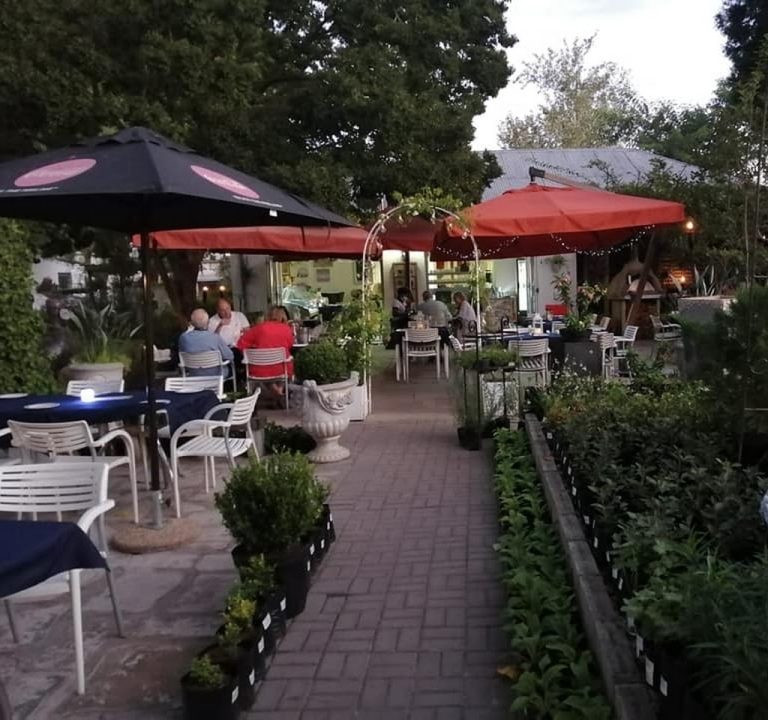
As for places to eat, Greyton offers a small but satisfying restaurant scene, with a focus on seasonal produce, country-style dishes and welcoming atmospheres. One notable option in the village is a dedicated dining venue that also houses a brewhouse. It provides a resource for guests looking for a relaxed meal after a day outdoors, with menus that may feature locally sourced ingredients and house-made beverages. For further details and current menus, you can visit the venue’s website: Old Potter’s Inn And Brewhouse. While the exact dishes and prices vary, the emphasis is typically on comforting, well-prepared fare in a convivial setting that suits families and couples alike. Other local options range from café breakfasts to light lunches and rustic dinners, often with outdoor seating in warm weather.
Best time to visit Greyton tends to be during the spring and autumn shoulder seasons when the weather is pleasant and the village is at a relaxed pace. Summer can be vibrant and sunny, ideal for outdoor trails, while winter offers cosy evenings by the fire in many guesthouses and cottages. If you are planning outdoor activity, align your dates with the expected weather and daylight hours to maximise time spent outdoors while keeping evenings comfortable indoors.
Practical tips for a smooth stay:
- Book early if you are visiting during holidays or weekends, as accommodation tends to fill quickly in peak periods.
- Ask about parking arrangements and access times if you will be arriving late or leaving early.
- Check whether your choice offers self-catering facilities if you prefer to cook some meals at home.
- Inquire about trail maps or local guidance for walking routes and sightseeing to avoid getting lost in the countryside.
- Respect village quiet hours and preserve the rural ambience that many visitors come for.
Greyton offers a compact yet rich palette of experiences, from restful stays in charming accommodation to walks, farms, galleries and welcoming places to eat. By choosing thoughtfully where to stay and planning a gentle pace, you can enjoy a restorative break that captures the spirit of this Cape countryside village. For more information on accommodation and local dining options, consult the respective property pages and the venue websites as part of your trip planning.