Exploring De Kelders: Where to stay, dine, and explore
De Kelders, perched above the sweeping coastline of the Western Cape, offers a relaxed base from which to experience the best of the Overberg. With a dramatic sea view, gentle beaches below and a short drive to the marine-rich shores around Gansbaai, this village is popular with visitors who want access to nature, wildlife and easy day trips along the coast. When planning a stay, consider the different pockets of the area: some properties sit high on the cliffs looking out to the Atlantic, while others are nearer the shoreline, providing direct access to walks and viewpoints. Both options offer striking sunsets and a sense of space that makes De Kelders a good choice for couples, families and small groups.
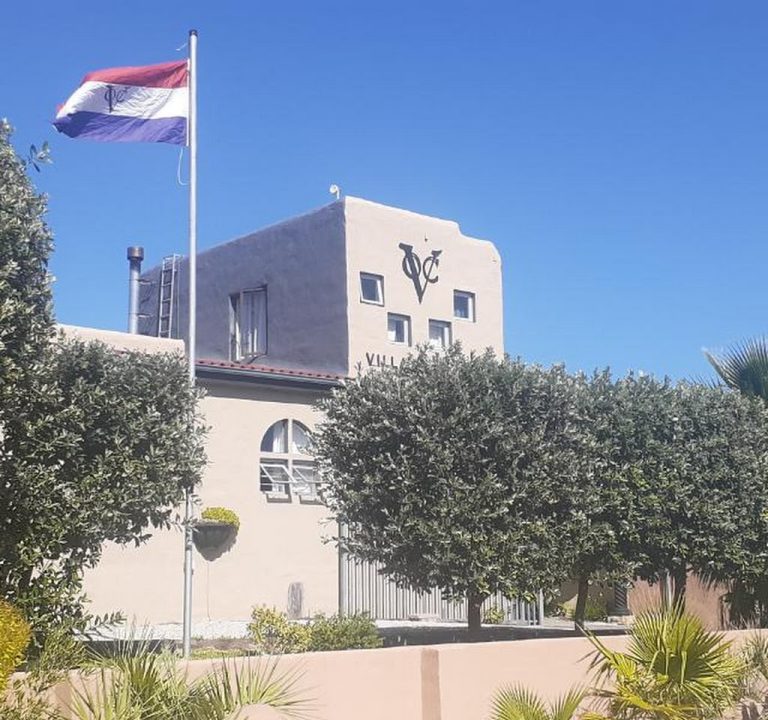
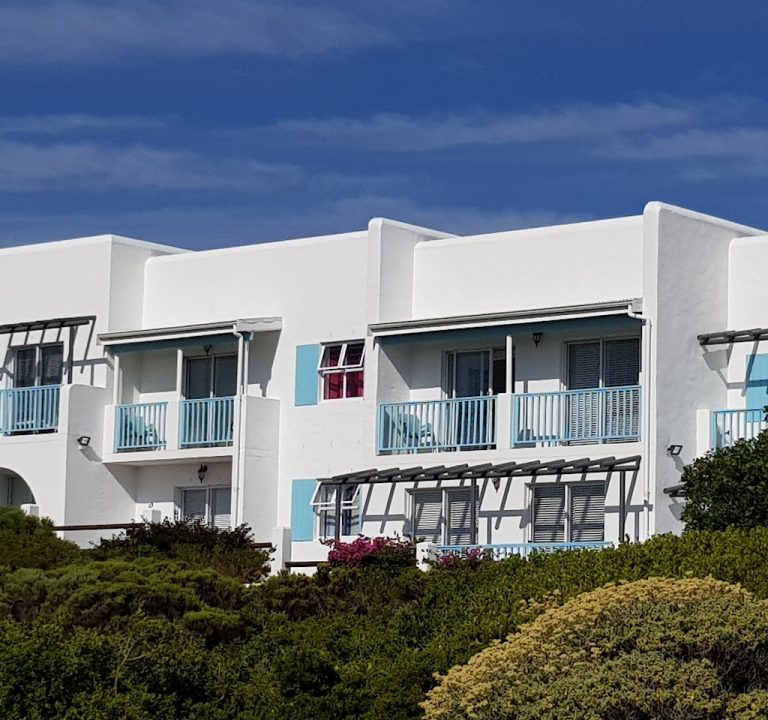
Accommodation in De Kelders ranges from comfortable guesthouses to elegant boutique stays and self-catering apartments. Many properties prioritise verandas or balconies with panoramic sea views, indoor fireplaces for cooler evenings, and well-equipped kitchens for self-catering stays. If you value privacy and a sense of home while on holiday, look for lodges or villas with dedicated living spaces, outdoor seating, and secure parking. For those preferring a more intimate experience, boutique guesthouses often feature personalised service, wake-up calls for dawn activities, and proximity to walking trails along the cliff paths. In choosing where to stay, think about access to a sheltered outdoor area for al fresco meals, easy parking, and whether you want to be within a short stroll of the main bakery and cafe scene or a quieter, more secluded spot.
Transport and getting around in De Kelders is straightforward. A car is the most convenient option to explore the surrounding attractions and to visit nearby towns such as Gansbaai and Plettenberg Bay. The roads are scenic but can be winding, so allow extra time for coastal drives. If you arrive by air, the nearest major international gateways lie a couple of hours away by car, with domestic flights often landing into regional hubs connected to the local road network. It’s worth checking whether your accommodation provides information on تضمarking and drop-off points for boat trips or nature excursions, and whether there are supports for guests with limited mobility near the coast path sections.
When it comes to planning a stay, timing matters. The Western Cape enjoys a temperate climate, but the coast can be windy at times. The peak whale-watching season typically runs from winter through spring, when large pods can be seen off the coastline, making early morning or late afternoon boat trips a worthwhile option for enthusiasts. Spring and autumn offer mild temperatures ideal for coastal walks and outdoor meals. Summer brings longer days and pleasant beach visits, while winter can bring dramatic skies and quieter shores. If you’re visiting during peak wildlife display, book accommodation early to secure sea-facing rooms and preferred slots for guided tours or boat trips.
Typical amenities to look for include fast and reliable WiFi, private or shared lounge areas, well-equipped kitchens or kitchenettes, and easy access to outdoor spaces. A private balcony or terrace is a real bonus for sunset views or morning coffee. Indoor comforts such as heating or a fireplace, and a safe, well-lit path to the car or street, can make a big difference to your stay. For families or groups, check whether a property offers flexible sleeping arrangements or separate rooms, as well as facilities such as a washing machine or a small laundry corner. If you intend to explore on foot, ask about direct coastal paths, steps, or elevators if available, and whether the property provides sturdy outdoor gear storage for hiking or beach excursions.
What to do in and around De Kelders is largely nature- and sea-oriented. The area is well known for its stunning viewpoints along cliff paths, where you can watch marine activity and dramatic skies. Boat trips and guided coastal tours are commonly offered to see marine life from a respectful distance, while cave and walking tours give insight into the geology and history of the region. Nearby towns provide broader shopping and dining options, and nature reserves or marine protected areas offer opportunities for guided walks and birdwatching. For dining, expect simple, honest meals with regional influences—fresh seafood, farm vegetables, and boldly flavoured dishes crafted to suit ocean breezes and outdoor dining. Many restaurants and cafes in the broader area emphasise local produce, seasonal menus and cosy atmospheres, so you can enjoy a relaxed meal after a day outdoors without travelling far from your base.
Practical tips to enhance your stay:
- Book early for peak seasons or whale-watching periods to secure premium sea-views and preferred time slots for tours.
- Check the property’s proximity to coastal paths and the stairs or slopes involved in accessing the sea-facing viewpoints.
- Ask about parking arrangements and any access restrictions along narrow lanes or private roads.
- In coastal weather, pack layers, a light waterproof, and sturdy walking shoes for cliff-top walks and beach days.
- Respect wildlife and safety guidelines; stay clear of cliff edges, and follow local advice about sea conditions and boat trips.
- Plan at least one day to explore neighbouring towns or nature reserves, which often offer walking trails, lookouts and picnic spots.
For further inspiration and planning ideas, you can explore regional tourism pages and the websites of individual stays in De Kelders. Practical information about transport routes, seasonal considerations and suggested day trips can help you craft a balanced itinerary that makes the most of this striking coastal enclave. Whether you seek quiet contemplation with ocean views, or active days exploring the marine environment, De Kelders provides an inviting gateway to the best of the Western Cape’s coastline.