Staying in De Kelders: a guide to accommodation and experiences in Western Cape
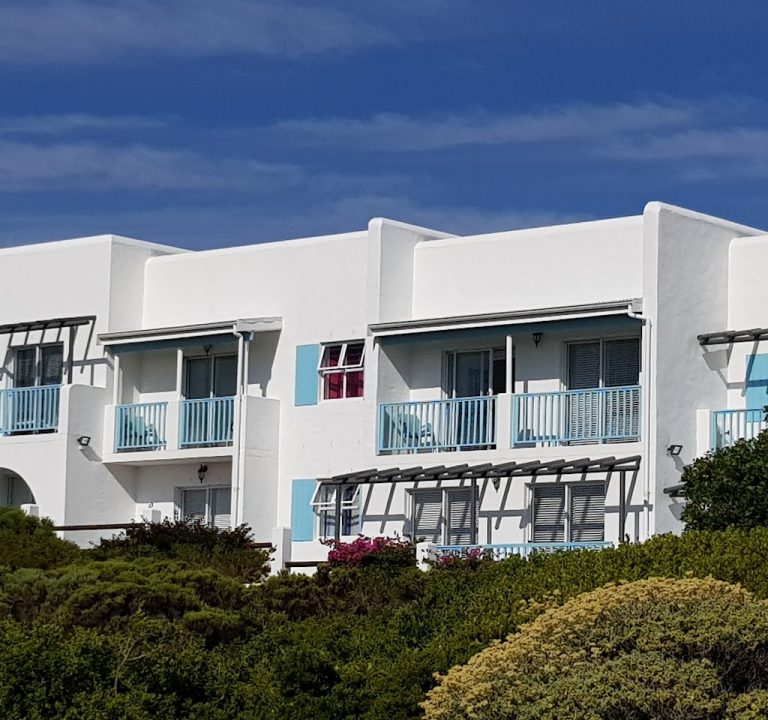
De Kelders, a coastal enclave just outside Gansbaai in the Western Cape, offers a relaxed base for visitors who want dramatic ocean views, easy access to wildlife experiences, and a restful retreat after days spent exploring. The village’s lodging options range from intimate bed and breakfasts and boutique guesthouses to self-catering cottages and small lodges. With the Atlantic’s broad horizons and a landscape sculpted by sea and cliff, it is easy to see why travellers return year after year seeking comfort without sacrificing scenery.
When planning a stay, consider your preferred proximity to the water and the type of pace you want. Some visitors relish waking to sheer ocean splendour from a private balcony or sun-drenched terrace, while others prefer quieter garden settings a short walk from the coast. De Kelders is well-suited to couples seeking a romantic escape, families looking for comfortable self-catering options, and solo travellers who appreciate easy access to coastal trails and wildlife excursions. Booking early is wise, particularly for peak seasons and holiday weekends, as properties with sea views and easy access to the cliff-top paths tend to be popular.
Typical amenities across De Kelders’ lodging include well-equipped kitchens or kitchenettes, comfortable living spaces, reliable wi‑fi, parking, and options for outdoor living such as braai/barbecue areas or decks with panoramic sea views. Many guesthouses and lodges offer breakfast thrown in or available upon request, while boutique properties may provide personalised service, afternoon tea, and curio-filled lounges with a warm, inviting atmosphere. If you are travelling with family or a group, look for larger self-catering units or multi-bedroom suites that offer privacy alongside shared living spaces. Accessibility is worth checking if stairs or steep paths are involved; some properties provide ground-floor rooms or lift access, while others are more suitable for able-bodied guests with no mobility concerns.
Transport arrangements are straightforward if you are hiring a car, which is common for visitors to De Kelders and the surrounding area. The drive from Cape Town typically takes around two to two-and-a-half hours along the N2, depending on traffic and stops. Having your own vehicle makes it easy to explore nearby attractions, reach cliff-top viewpoints, and pop into neighbouring towns for groceries, seafood, and day trips to the nearby wine country. Public transport in the region is limited, so many guests prefer to arrange transfers through their accommodation or a local tour operator. If you plan to hike or whale-watch, check whether your lodging offers shuttle options or can arrange guided excursions for a seamless experience.
The best time to visit De Kelders depends on what you want to do. Whale watching is a highlight during the winter and spring months when Southern Right and other whale species frequent the bay. Summer brings pleasant warmth and calmer seas for coastal walks, boat trips, and marine activities. Spring and autumn offer mild weather and quieter visitor levels, which can translate into more relaxed experiences and better chances to observe wildlife without peak-season crowds. Regardless of season, sea fog, wind, and swell can influence day plans, so it pays to have flexible itineraries and a plan B for outdoor activities.
Nearby attractions and activities are largely nature- and water-focused. The coastline around De Kelders features dramatic cliff walks with sweeping views of the Atlantic, as well as access to sea caves and rock pools at low tide. Whale-watching viewpoints and guided boat trips are popular ways to encounter marine life (these experiences usually operate seasonally and are weather-dependent). From a non-wildlife perspective, the area is well placed for scenic drives along the Hemel-en-Aarde valley to sample local wines, or for day trips to nearby towns where fresh seafood is a staple and restaurant menus reflect the maritime setting. For those who enjoy walking and scenery, the coastal trails offer rewarding vistas, while photographers will find generous opportunities to capture the rugged coastline, sunrises, and the glistening sea.
Food and drink in De Kelders emphasise seafood and coastal flavours, often prepared with locally sourced ingredients. Expect relaxed bistros and eateries where you can enjoy fresh fish, prawns, and seasonal produce alongside regional wines. Many lodges and guesthouses highlight continental or South African breakfast options, and some properties offer candlelit dinners or chef-prepared meals upon request. If you fancy a broader culinary day, plan visits to nearby towns with a wider range of restaurants and markets, as well as opportunities to book cellar-door tastings in the surrounding winelands.
Practical planning tips for a comfortable stay in De Kelders:
- Book early to secure sea-facing rooms or properties with direct access to the coastal paths.
- Check whether the property has parking, stair access, and elevator availability if mobility is a consideration.
- Ask about breakfast options, meal plans, and whether there are self-catering facilities for flexibility.
- Confirm access to reliable wi‑fi, especially if you plan to work remotely or stream during your stay.
- Inquire about guided tours, whale-watching arrangements, and transfers to and from boat trips or reserve viewpoints.
- Plan for variable weather; bring layers and a lightweight waterproof, plus sturdy walking shoes for cliff-top paths.
- Map out a flexible day plan that pairs wildlife-spotting with coastal walks and a wine-tasting excursion if you wish to combine nature and culture.
For booking and further inspiration, many accommodation sites in De Kelders offer direct booking links to their properties, sometimes including detailed notes on view orientation, proximity to walking trails, and private terraces. If you want to tailor your trip to wildlife experiences, waterfront dining, and scenic drives, consider a stay in a boutique lodge or guesthouse that emphasises local character and guest service. De Kelders invites visitors to slow down, listen to the waves, and use the gateway to the Cape’s remarkable coastline as a starting point for a range of nature-friendly adventures. For more information and planning ideas, you can explore regional tourism pages or individual lodging websites that capture the essence of a memorable South African coastal break.