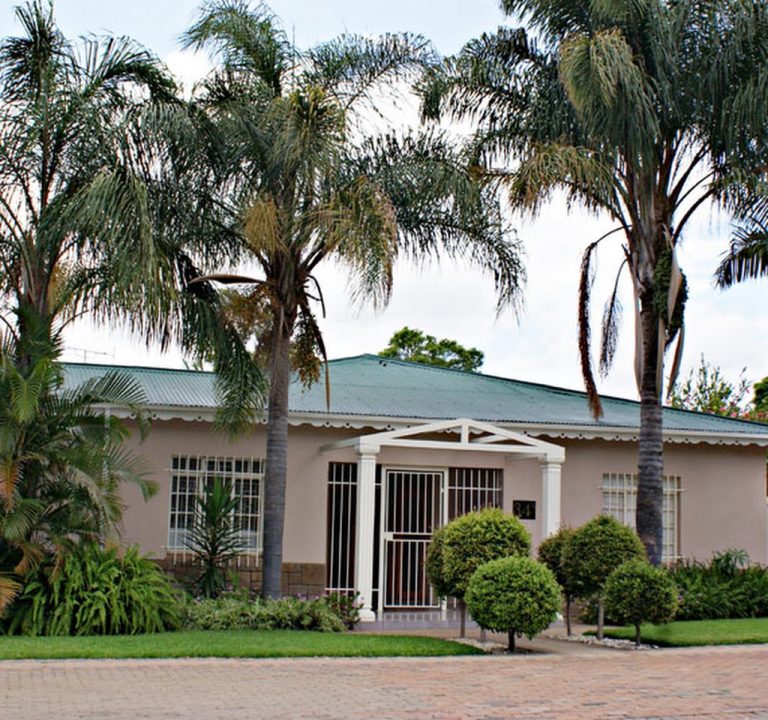
Polokwane, Limpopo: Where to stay and what to do
Polokwane, the vibrant gateway to Limpopo, combines a relaxed atmosphere with easy access to wildlife reserves, botanical delights, and a growing scene of dining and shopping. When planning a stay, consider the different neighbourhoods and their character: the city centre offers convenient access to restaurants, markets and cultural venues; while quieter suburban areas and guesthouses tucked away along tree-lined streets provide a restful base after day trips to nearby nature reserves or attractions.
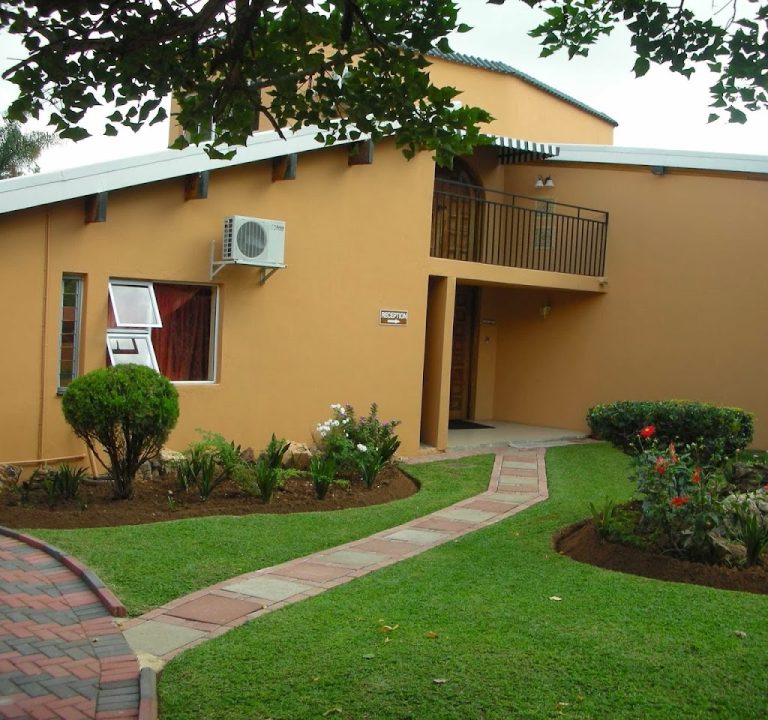
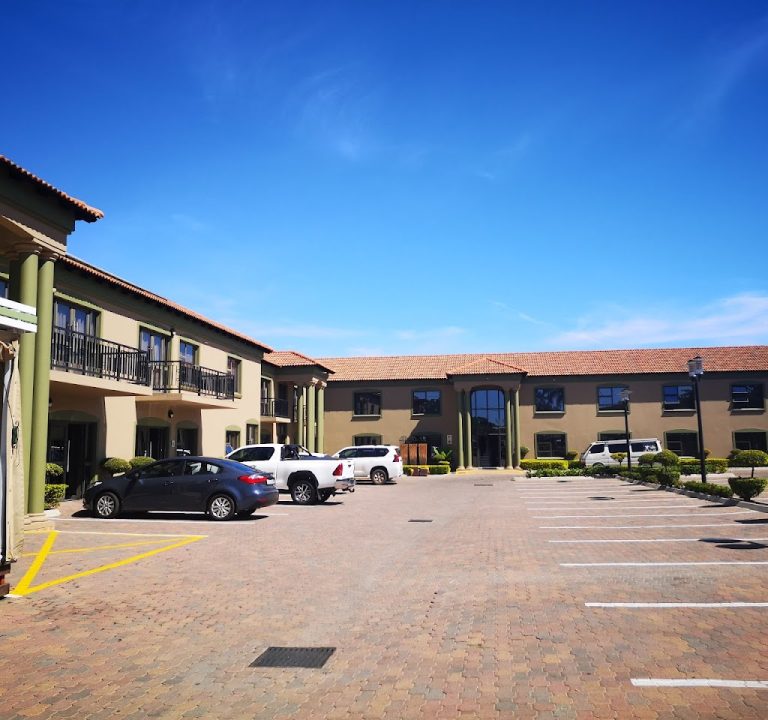
Accommodation in Polokwane spans boutique B&Bs, stylish guesthouses, mid-range hotels and modern self-catering options. Many properties offer a welcoming blend of local charm and practical comforts, including air conditioning for the hot summer months, reliable Wi‑Fi for work or streaming, on-site parking, swimming pools, and generous breakfast options. A few properties may provide family-friendly layouts or compact suites suitable for couples seeking a romantic break. When selecting a place to stay, it is worth weighing proximity to the city’s major arterials and to the parks, as well as access to walking routes and safe, well-lit streets for evening strolls.
For those who value a dedicated and distinctive setting, self-catering lofts and boutique locations can offer a homely feel with the flexibility to manage your own schedule. One example in concept is a loft-style stay that emphasises open-plan spaces, contemporary décor and convenient kitchen facilities. If you are curious about such options, you can explore the property’s official website for details on layout, amenities and access to common areas.
Transport within Polokwane is generally straightforward. If you are driving, many lodgings provide secure parking and easy access to the N1 highway, making day trips practical to nearby nature reserves and scenic countryside. For those relying on public transport, check whether your accommodation offers convenient taxi or shuttle arrangements, and confirm how far the property is from the central business area or the airport pick-up point. When booking, it is helpful to clarify reception hours and whether there is staff on site to assist with directions, restaurant reservations or activity bookings after-hours.
The best time to visit Polokwane depends on what you want from your trip. The winter months (May to August) bring milder daytime temperatures, making it comfortable for city exploration and park safaris with cooler evenings. Summer (September to April) can be hot and occasionally rainy, but it coincides with lush landscapes and vibrant outdoor markets. For birdwatchers and nature lovers, plan visits to reserves during the shoulder seasons when visibility is good and facilities are less crowded. If you’re keen on outdoor activities, aim to align your stay with favourable weather windows and check local openings or seasonal events in advance.
When planning activities, there are several experiences that typify a visit to Polokwane beyond simply resting at your accommodation. You can expect to discover markets and craft stalls offering locally produced arts and crafts, which support small producers and provide an authentic sense of the region. For nature and wildlife enthusiasts, day trips to nearby game reserves and nature reserves offer opportunities to observe wildlife in a malleable landscape that features mopane and savanna scenery. For a gentler pace, spend time in urban parks and botanical spaces, where strolling paths, sculptures and garden plantings provide a relaxed backdrop for a coffee break or picnic.
Dining options in Polokwane range from casual eateries to more refined venues, many focusing on heartfelt, home-style cooking and seasonal produce. When choosing where to eat, consider venues that offer a comfortable ambience, friendly service, and a sense of local flavour. It’s common to find menus that showcase a mix of traditional dishes and contemporary takes on regional ingredients. If you are planning a special evening or a family meal, you may wish to make a reservation to ensure seating and to confirm any set menus or tasting options.
Practical planning tips for a smooth stay:
- Book accommodation that suits your tempo—whether you want a quiet retreat or a central base with easy access to sights.
- Look for clear information about parking, security and access to 24-hour reception or staff assistance.
- Check the property’s stated amenities, such as air conditioning for hot days, Wi‑Fi reliability, and kitchen facilities if you plan to self-cater.
- Assess transport options nearby, including taxi services or shuttle arrangements and proximity to major routes.
- Review cancellation policies and any additional fees for late arrivals or changes to plans.
- Plan a loose itinerary that balances nature outings with relaxed meals and downtime at your accommodation.
If you are exploring options online, you can visit individual property pages to compare room types, floor plans and guest reviews. For example, a loft-style stay with a dedicated website may provide detailed photos, layout specifics and practical guidance on access to common areas and parking. Always verify the most current information and read recent guest feedback to gauge consistency in service and housekeeping standards. A well-chosen base in Polokwane can make the difference between a rushed itinerary and a pleasantly paced holiday.
Finally, for inspiration on where to stay and what to do, consider visiting official tourism pages and the websites of chosen lodges or guesthouses. These sources often offer practical travel tips, seasonal highlights and suggested day trips that reflect current offerings and operations. For a direct example of a dedicated accommodation page, you can visit the site of The Lofts at http://the-lofts.co.za/, which provides insight into loft-style accommodation and the convenience of its location for exploring Polokwane and the wider Limpopo region.