Accommodation and Starter Guide for Polokwane, Limpopo
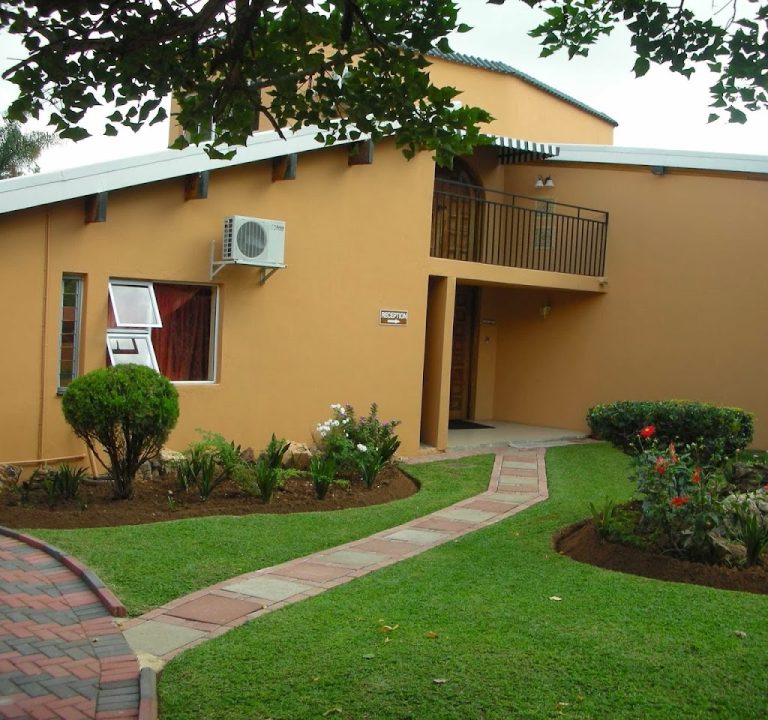
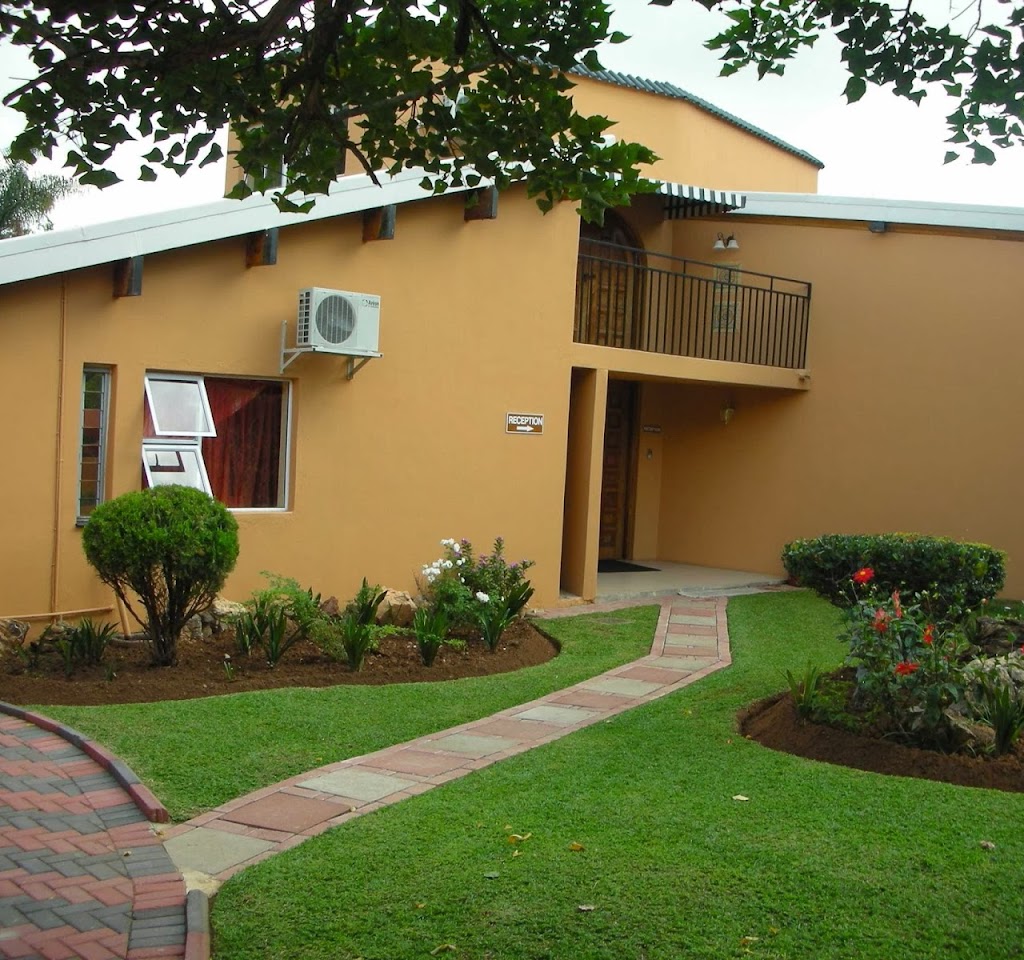
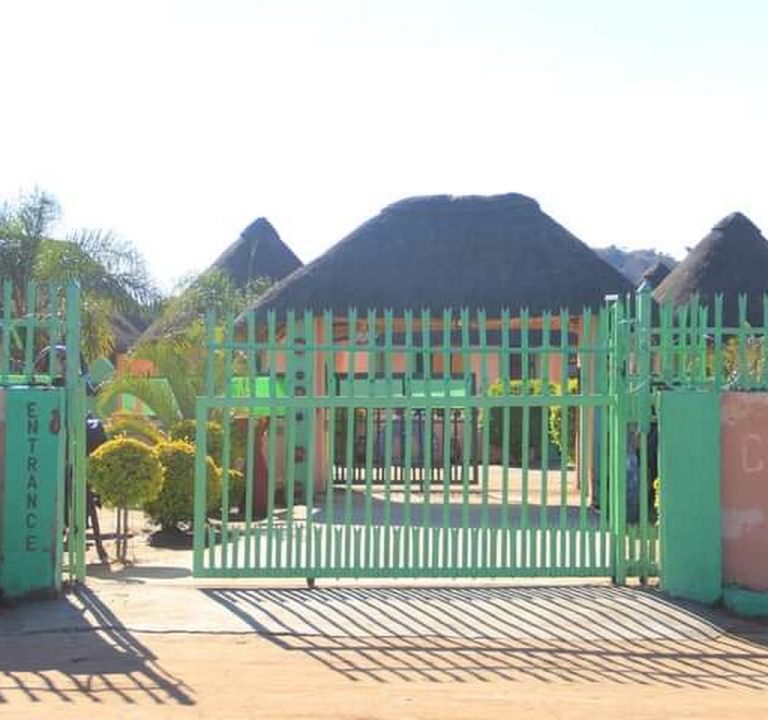
Polokwane, the capital of Limpopo, offers a welcoming base for travellers exploring the province’s nature, culture and outdoor adventures. Whether you prefer a cosy guest house, a stylish lodge, or a self-catering apartment, the city provides a range of options that combine comfort with easy access to sights and amenities. A notable example in the guest house category is Bongiwe Accommodation, which presents a friendly, local-stay atmosphere ideal for visitors looking to settle into a neighbourhood setting while remaining within reach of central Polokwane’s highlights.
When planning a stay, consider where you want to base yourself. The city centre is convenient for access to shopping, eateries and business services, and it often places you close to major roads that link Polokwane to surrounding nature reserves and regional attractions. Suburban pockets with quieter streets can offer a more relaxed pace, often with pleasant garden settings and secure parking. For travellers who arrive by air, proximity to the airport and major highways can be a deciding factor, while those who intend day trips to wildlife reserves will benefit from choosing a location with reasonable road access to the northern or eastern routes into Limpopo’s heartland.
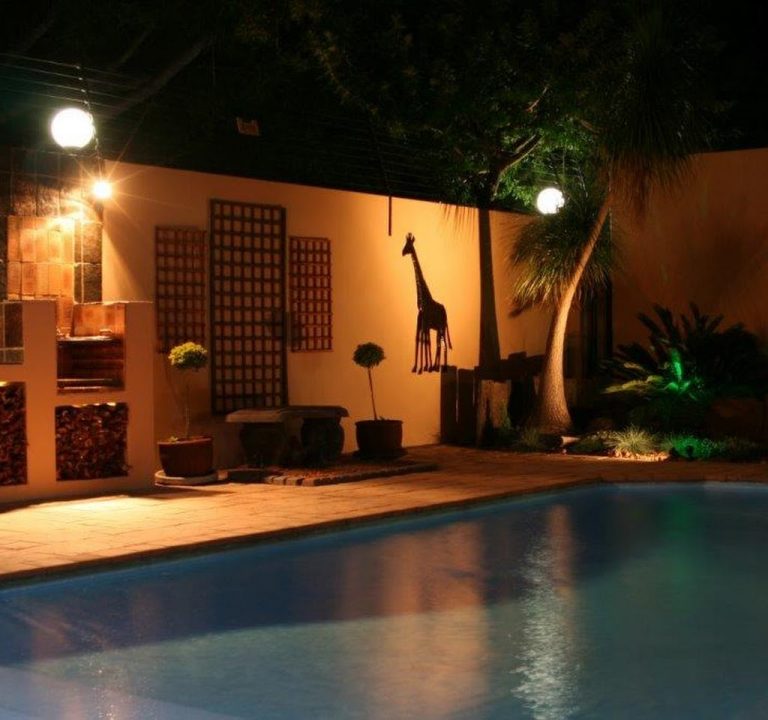
Typical guest house and lodge amenities you might expect include complimentary breakfast, private en-suite bathrooms, free parking, and reliable Wi-Fi. Some properties offer self-catering options or kitchen facilities, which can be handy for families or longer stays. Look for rooms with good natural light and solid heating or cooling, as Polokwane’s climate can be warm in summer and cooler in winter. If you prefer a social atmosphere, a guest house with a shared lounge or garden can be a nice touch, while a quiet, well-insulated room may be preferable if you plan to work remotely or simply rest after a day of touring.
Transport in Polokwane is mostly car-centric, with driving being the most convenient way to explore the area and beyond. If you don’t plan to hire a vehicle, check whether your accommodation can arrange for reliable local taxis or a shuttle service. Proximity to a taxi stand or a bus route can help you reach markets, eateries and the city’s cultural spots without the hassle of driving. For day trips into nearby nature reserves, cultural centres or landscapes, a guided tour can offer insightful context and make the travel smoother.
The best time to visit Polokwane largely depends on what you want to do. The dry winter months from May to September are comfortable for outdoor exploration, animal viewing in nearby reserves, and enjoying outdoor markets and strolls along city parks. The warmer, wetter summer from December to February brings lush landscapes and vibrant flora, though you may encounter more frequent showers. Spring and autumn offer a balance of mild weather and active outdoor scenes, which can be ideal for walking and city sightseeing. If you plan to visit specific attractions or markets, check seasonal calendars and local event listings to align your stay with activities that interest you most.
When evaluating accommodation, consider these practical factors to ensure a smooth stay:
- Location relative to your planned activities: choose a base that minimizes long drives to the sights you want to see.
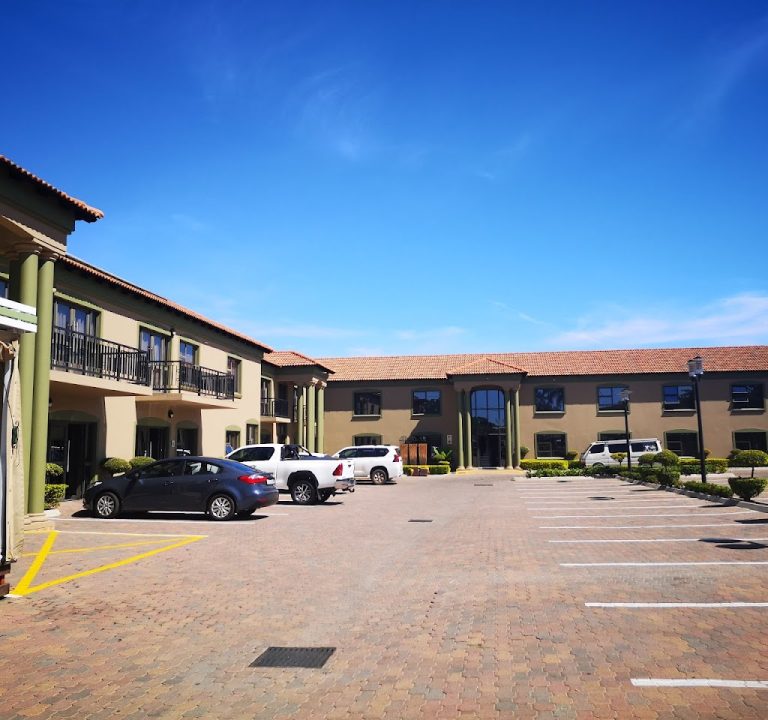
- Parking and access: secure on-site parking is convenient, and look for properties with good security in the area.
- Accessibility and facilities: confirm en-suite facilities, air conditioning or heating, Wi‑Fi reliability, and readiness for any mobility needs.
- Meal options: decide if you want included breakfast, on-site dining, or self-catering facilities for flexibility.
- Booking flexibility: check cancellation policies and seasonal rate changes, especially if you are planning trips around holidays or events.
- Local experiences: many guest houses arrange or suggest guided walks, tastings, or cultural experiences that add value to your stay.
Polokwane’s attractions cover culture, nature and shopping. In the city, you can expect an inviting mix of markets, museums and contemporary venues that reflect Limpopo’s heritage. For nature lovers, day trips to nearby plains, wildlife reserves or scenic viewpoints provide opportunities for wildlife sightings and photography, while the surrounding countryside offers peaceful drives and traditional village experiences. Dining in Polokwane spans casual eateries, cafés and more refined restaurants where you can sample regional flavours and international dishes. Even without naming specific venues, many visitors enjoy trying a variety of options across different neighbourhoods to experience everyday life in Limpopo alongside the main sights.
To make the most of your stay, plan a flexible itinerary that combines a comfortable night’s sleep with a mix of activities. Book well in advance during peak seasons, especially for weekends and school holidays, and confirm any special requests with your accommodation ahead of arrival. If you are exploring on a budget, look for guest houses or smaller lodges with longer-stay discounts or kitchen facilities that help manage meals between outings. Finally, consider a short post-trip plan—perhaps a day of shopping or a relaxing spa visit—to ease the transition back to daily life after your Limpopo adventure.