Greyton, Western Cape: a guide to staying, exploring and dining
Greyton is a compact village set in the scenic Overberg region, renowned for its thatched cottages, cobbled lanes and easy access to hiking trails along the Greyton Nature Reserve and the surrounding hills. For travellers, the town offers a friendly mix of guest houses, boutique stays and self‑catering options, all with a welcoming village atmosphere. When planning a stay, consider a mix of accommodation types to experience both the characterful town centre and the quieter, rural outskirts.
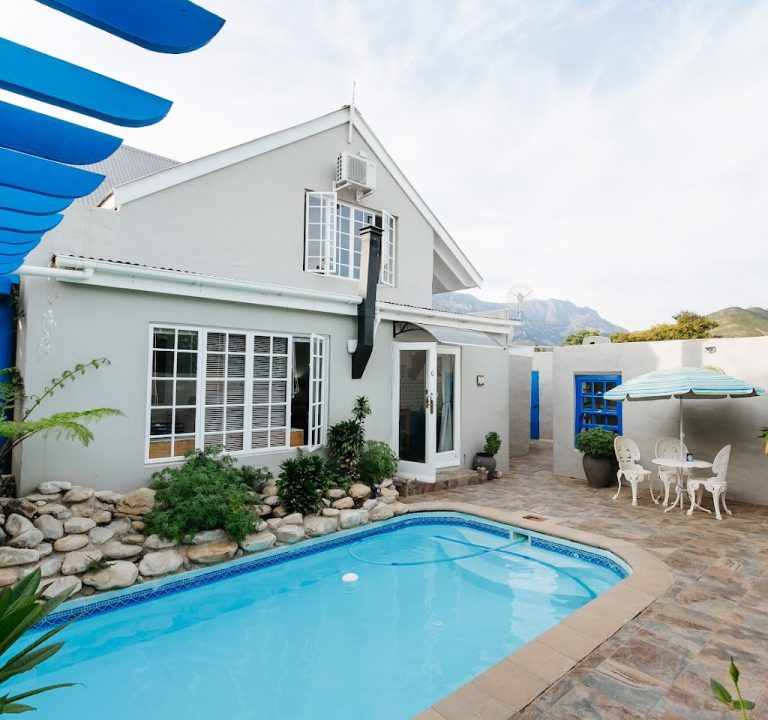
Accommodation in Greyton ranges from intimate B&Bs and guest houses to self‑contained cottages and small boutique inns. A popular option for falls into this latter category is the Loft at Dove Cottage, a guest house that embodies the local style with warm, homely spaces. Guests typically look for quiet bedrooms with good white‑noise control, private or en‑suite bathrooms, and reliable heating or cooling for the variable climate. If you prefer a kitchen or kitchenette, check that the room or unit offers self‑catering facilities, as many visitors enjoy preparing a simple breakfast or a picnic for days out on the trail.
When choosing where to stay, think about proximity to the village square and to trails. Some visitors favour a central location for easy access to coffee shops, small eateries and the weekly farmer’s market, while others opt for a spot a short drive or stroll from riverbanks for a more tranquil ambience. If you rely on public transport or limited driving, verify whether your chosen option is within easy reach of main roads and parking areas. In Greyton, parking is typically straightforward, but it’s worth confirming access if you’re travelling with bicycles, large luggage or baby gear.
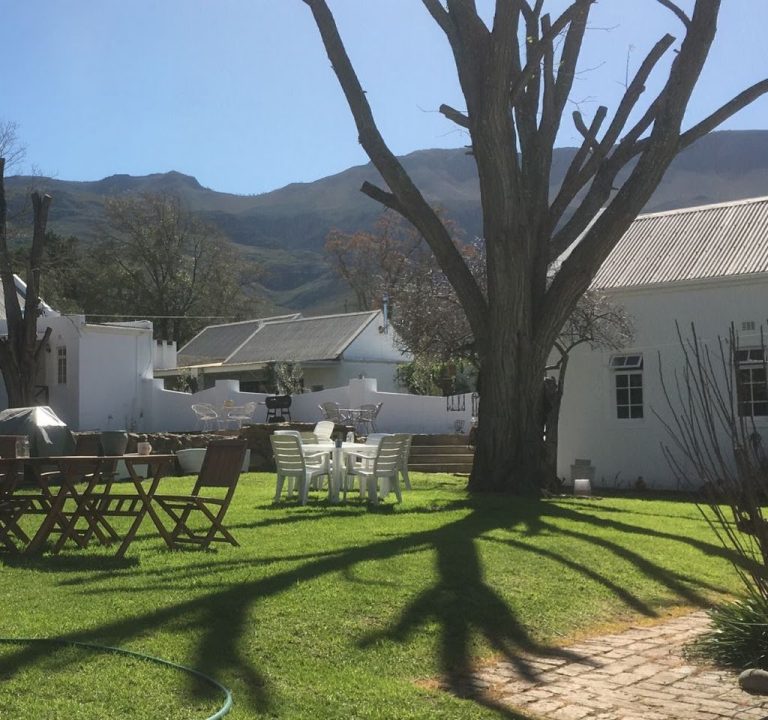
Typical amenities that make a stay comfortable include secure parking, dependable hot water, comfortable beds with quality linens, and spaces to relax after a day of exploring. A few properties offer outdoor seating, garden views or shaded verandas—delightful for early‑morning coffee or afternoon reading. Wi‑Fi is common in most guest houses and self‑catering cottages, though some smaller establishments prioritise a slower pace and a digital detox, so plan accordingly if you need reliable connectivity for work or sending updates home.
Best time to visit Greyton is driven by weather and outdoor plans. Spring (September to November) brings wildflowers and long daylight hours, perfect for valley walks and birdwatching. Autumn (March to May) offers cooler days with colourful foliage. Summer can be warm but pleasant, while winter whiled with crisp mornings invites cosy evenings by a fire in many guest rooms. If you’re planning outdoor activities such as hiking or canoeing, check local forecasts and trail closures and keep a flexible itinerary in case of rain or wind.
Getting around Greyton is straightforward. The village is walkable, with paths that connect accommodation, shops and cafés. For longer excursions or if you are staying outside the village core, a car is convenient. There are some local taxi services and ride‑sharing options in peak season, but most visitors rely on their own transport or a rental vehicle to reach nearby attractions in the surrounding region, including walking trails, nature reserves and nearby historic villages.
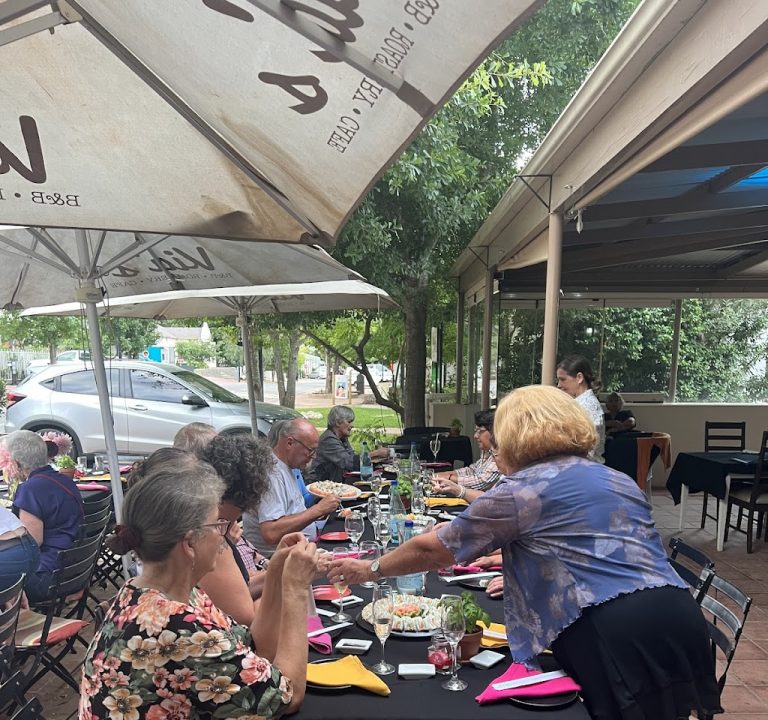
Food and drink form a delightful part of the Greyton experience. The village has a small selection of cafés and eateries offering light meals, bakery treats, hearty breakfasts and seasonal dishes. Expect locally sourced ingredients, a relaxed pace, and friendly service. Many visitors enjoy sampling the town’s baked goods and café fare, then taking a stroll along the quiet lanes or beside the river. If you’re planning a pub‑style evening or a longer dinner, it’s worth checking opening times in advance, as some venues are seasonal or close midweek outside peak periods.
As for attractions, Greyton’s natural setting is the main draw. Outdoor enthusiasts can plan day hikes through the near‑by hills, enjoy shaded river walks, or explore nature reserves with interpretive signage and wildlife viewing opportunities. For a gentler day out, browse local crafts and gift shops in the village, or visit a nearby historic site to gain a sense of the region’s past. The town is also a practical base for exploring the rural Western Cape, with day trips possible to neighbouring towns and scenic drives that showcase the Overberg countryside.
Practical planning tips for a comfortable stay in Greyton:
- Pack layers: mornings and evenings can be cool, even in warmer months.
- Bring a reusable water bottle and a small backpack for day walks.
- Check if your accommodation provides basic kitchen essentials if you plan self‑catering.
- Reserve dining options or tours in advance during peak seasons, especially weekends and holidays.
- Look for a property with secure parking if you are travelling by car.
For further reading and to view accommodation options, you can explore stays such as The Loft at Dove Cottage, a guest house listed with a dedicated booking page. This type of option often provides a balance of character, comfort and convenience, with ease of access to Greyton’s galleries, cafés, and nature trails. For more information, see the property listing at its booking page: https://www.airbnb.com/rooms/774230254724777857?guests=1&adults=1&s=67&unique_share_id=6d6f6c6d-2616-4edd-b926-9e050d5de1cb