Greyton: accommodation, cuisine and countryside highlights in the Western Cape
Greyton is a charming base for exploring the Cape’s foothills and farmlands, with a walkable village centre, rolling scenery and a relaxed pace. When planning a stay, you can choose from a mix of accommodation styles, from cosy BnBs and guesthouses to rustic lodges and self-catering cottages. Whether you arrive for a weekend escape or a longer break, Greyton’s compact size makes it easy to combine restful downtime with light adventures, all without venturing far from your door.
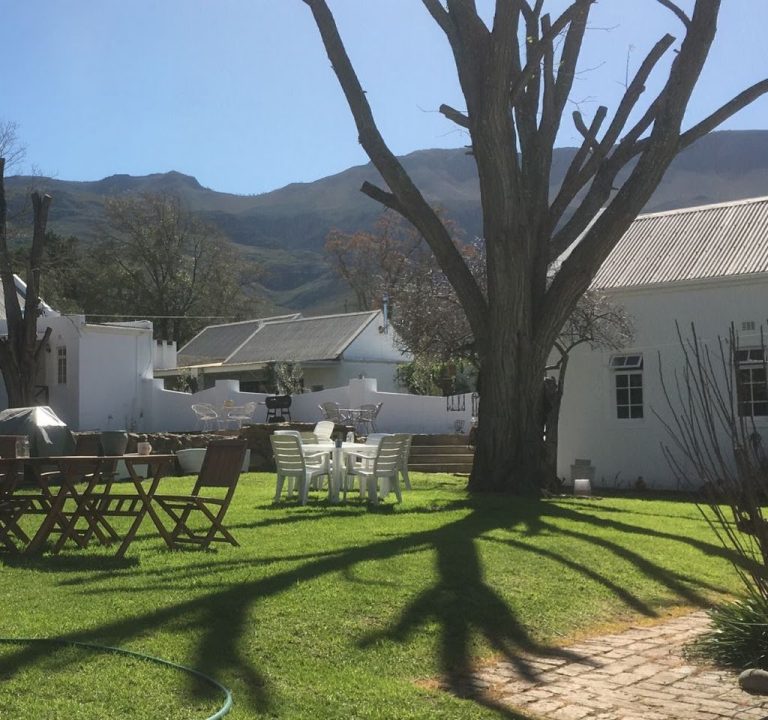
Accommodation options tend to cluster in the village core and along the outskirts that back onto orchards or sugar-bush valleys. Central locations are convenient for popping out to coffee shops, bakeries and small eateries, while hillside or garden-facing lodges often offer more serene views and a touch more privacy. Some properties function as intimate lodges or converted farm buildings, each with its own character—think sunlit verandahs, cosy nooks and garden spaces that invite a late-afternoon drink in the shade. An increasing number of properties now provide flexible arrangements, from room-only stays to self-catering units with a kitchen or kitchenette for guests who prefer to dine in.
When you book, consider what you want from your Greyton stay. If you prize social mornings and a ready-made breakfast, a guesthouse or BnB with included meals can save time and planning. If you prefer a quiet, self-contained base for hiking and cycling, a self-catering cottage or lodge may suit you better. Parking availability, sensible heating or cooling, reliable Wi‑Fi, and reliable accessibility for your group are practical checks. Some properties offer communal lounges or gardens that encourage a chat with other visitors, while others prioritise private terraces or courtyards for a peaceful retreat after a day outdoors.
Typical amenities you may encounter include en-suite bathrooms, wholesome breakfasts, tea and coffee provisions, and well-equipped kitchens or kitchenettes. Look for comfortable beds, good natural lighting, and clear information from hosts about local walks and cafe openings. A few lodges and guesthouses provide guided walks or maps, though many guests simply enjoy the freedom to set their own pace. If you travel with family or pets, confirm policies in advance, as some properties welcome children or dogs while others have restrictions or nearby trails that are suitable for four-legged friends.
Getting around Greyton is straightforward. The village is compact enough to explore on foot, and there are gentle riverside paths and short cycles that weave through orchards and farmland. For wider exploration, a car is convenient, as it enables day trips to nearby towns, viewpoints and nature reserves. If you plan longer hikes, you’ll find well-marked trails and ranger-guided options in the surrounding countryside. From Greyton, you can access regional roads that lead to scenic byways and local attractions, with the reassurance that a comfortable base awaits you each evening.
Best time to visit Greyton tends to align with its outdoor amenities and events. Spring (August to October) brings mild temperatures and vibrant countryside; autumn (March to May) offers crisp air and quiet streets. Winter can be cooler and damper, which is ideal if you enjoy cosy lodges with a fireplace. Summer is lively, with longer days and outdoor activity, so booking ahead is wise for popular weekends or holiday periods. If you’re seeking a blend of sun and shade for walking and photography, late spring and early autumn are particularly pleasant.
Practical considerations for planning a stay in Greyton include the following:
- Book ahead for peak periods, such as holiday weekends and school holidays, to secure preferred accommodation and room types.
- Assess the proximity of your lodging to the village centre and to starting points for walks and scenic routes.
- Check whether breakfast is included or if you’ll be self-catering, and confirm kitchen facilities if you plan to cook.
- Ask about parking arrangements and storage for outdoor gear like bikes or hiking equipment.
- Prepare for variable weather by packing light layers, a rain jacket and sturdy footwear suitable for uneven paths.
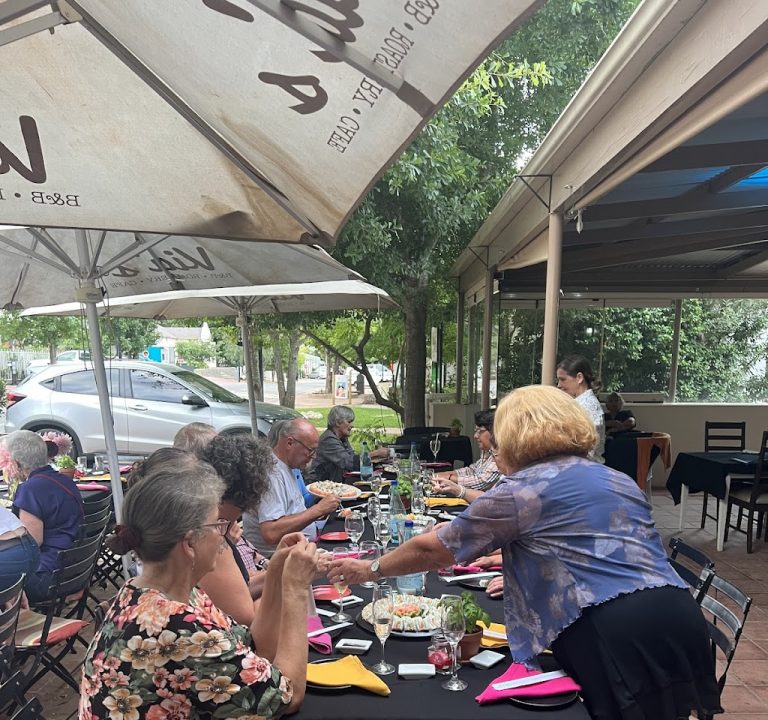
Greyton offers a range of eating and drinking options that complement a relaxed outdoor itinerary. In general terms, you can expect cosy cafés, bakeries and informal eateries serving fresh, seasonal ingredients, with menus that reflect the town’s rural setting. For a longer stay, you’ll likely discover a few regular favourites for morning pastries, light lunches or relaxed dinners, alongside charming artisan shops and galleries that showcase local crafts. While exact names, prices and awards are continually evolving, the town’s dining scene is noted for its emphasis on fresh, local produce and a friendly, unhurried atmosphere.
One example of lodging in Greyton is de Oude Pastorie, a charming option that blends character with comfort. The property sits in a location that makes it easy to explore the village on foot and access nearby countryside. For more information, including current rates and availability, you can visit the property’s website at oudepastorie.co.za.
In summary, Greyton makes for an engaging, village-based escape with a thoughtful mix of places to stay and ways to enjoy the surrounding scenery. By focusing on your preferred pace—whether self-catering serenity or social hospitality—you can pick areas, amenities and transport arrangements that best suit your travel style, making a visit to this part of the Western Cape both memorable and easy to plan.