Port St Johns: A Practical Guide to Accommodation, Attractions and Getting the Most from Your Stay
Port St Johns in the Eastern Cape is a laid‑back coastal haven where jungle, river, and sea meet dramatic landscapes. Whether you are seeking a rugged adventure, a tranquil retreat, or a base for exploring the Wild Coast, there are lodging options to suit a range of tastes and budgets. From intimate lodges perched above the ocean to guesthouses within easy reach of the river mouth and village amenities, plan your stay with an eye to local access, transport, and seasonal rhythms.
Accommodation areas and what to expect. The village itself is compact, with most places within a short walk to beaches, shops and eateries. A little further afield, lodges and guesthouses often enjoy secluded settings, more generous grounds, and striking views. When choosing where to stay, consider how you plan to move around. If you prefer mornings spent on the coastline or in forested trails, a lodge or guesthouse with private access to nature paths can be especially convenient. If you are visiting during peak season, it helps to book closer to the town centre to minimise transit time and maximise your daylight hours for activities.
Typical amenities and what to look for when booking. Expect comfortable, well‑maintained rooms with en suite facilities, and a friendly, host‑led approach to local tips. Look for on‑site features such as hot water with reliable pressure, good ventilation or climate control, secure parking, and easy access to common areas for socialising or relaxation. Some properties offer simple meals or breakfast options, while others provide full board or have recommendations for nearby restaurants. A well‑equipped property may include laundry facilities, organised activities, and guided tours, which can be particularly helpful for first‑time visitors to the area.
Transport and getting around. Port St Johns is best explored with flexibility. The village is compact enough to stroll, but if you plan day trips or excursions to more remote beaches and lookout points, a vehicle is useful. Taxis and local transport services operate in the area, and some accommodations arrange transfers or guided trips. If you are arriving by air, the nearest practical access points are regional hubs with onward road connections; check with your chosen lodge or guesthouse about the best transfer options. Pack nothing heavier than a daypack for shoreline walks, and plan for variable coastal weather, especially in autumn and spring when sea fog and humid conditions can affect visibility.
Best time to visit and practical considerations. The Wild Coast enjoys a mild, maritime climate, but conditions can vary with the seasons. Summer (December to February) brings warmer sea temperatures and the best beach conditions, while autumn can offer calmer days for hiking and wildlife watching. Winter stays reasonably mild, though evenings can be cooler, so pack layers. Wildlife and birdlife are more active during certain months, making early mornings and late afternoons ideal for excursions. If you plan water activities, check local conditions and safety guidelines; some beaches have strong currents or seasonal closures. Respecterm licenses and local regulations for protected areas, and always follow the guidance of your accommodation and local guides.
Attractions and experiences in broad terms. Port St Johns is renowned for its dramatic coastline, rainforest pockets, and riverside scenery. Visitors commonly enjoy coastal walks along rugged headlands, river trips that reveal mangrove ecosystems, and serene beaches that offer seclusion away from more crowded destinations. The surrounding area provides opportunities for eco‑tours, cultural experiences, and wildlife spotting, alongside the chance to simply unwind in a natural setting. Restaurants in the village typically specialise in fresh seafood, hearty local fare, and casual dining; many places prioritise seasonal ingredients and relaxed atmospheres. Guided excursions can help you access viewpoints, wetlands, and waterfalls that you would otherwise discover slowly on foot or by boat.
Dining and places to explore. When planning meals, many visitors opt for a mix of in‑house options and recommendations from their hosts or guests’ guides. A practical approach is to choose a base with a dependable breakfast to fuel active days, while allowing evening meals to be enjoyed at nearby eateries or as part of a half‑board arrangement. For longer stays, you may wish to mix self‑catering with occasional dinners out to sample regional flavours. Websites and social media pages for Port St Johns listings can offer current information on restaurant openings and seasonal specials, helping you budget and plan without relying on uncertain sources.
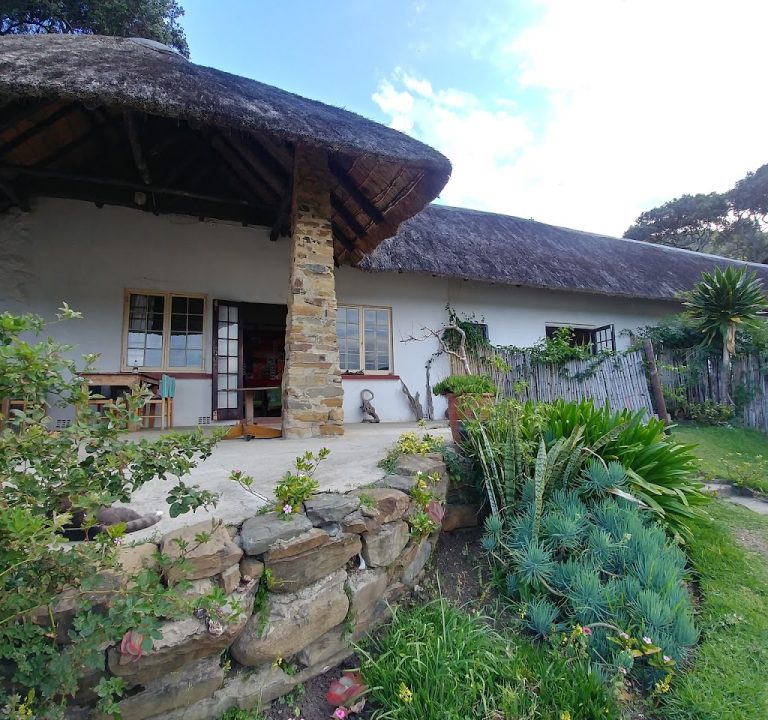
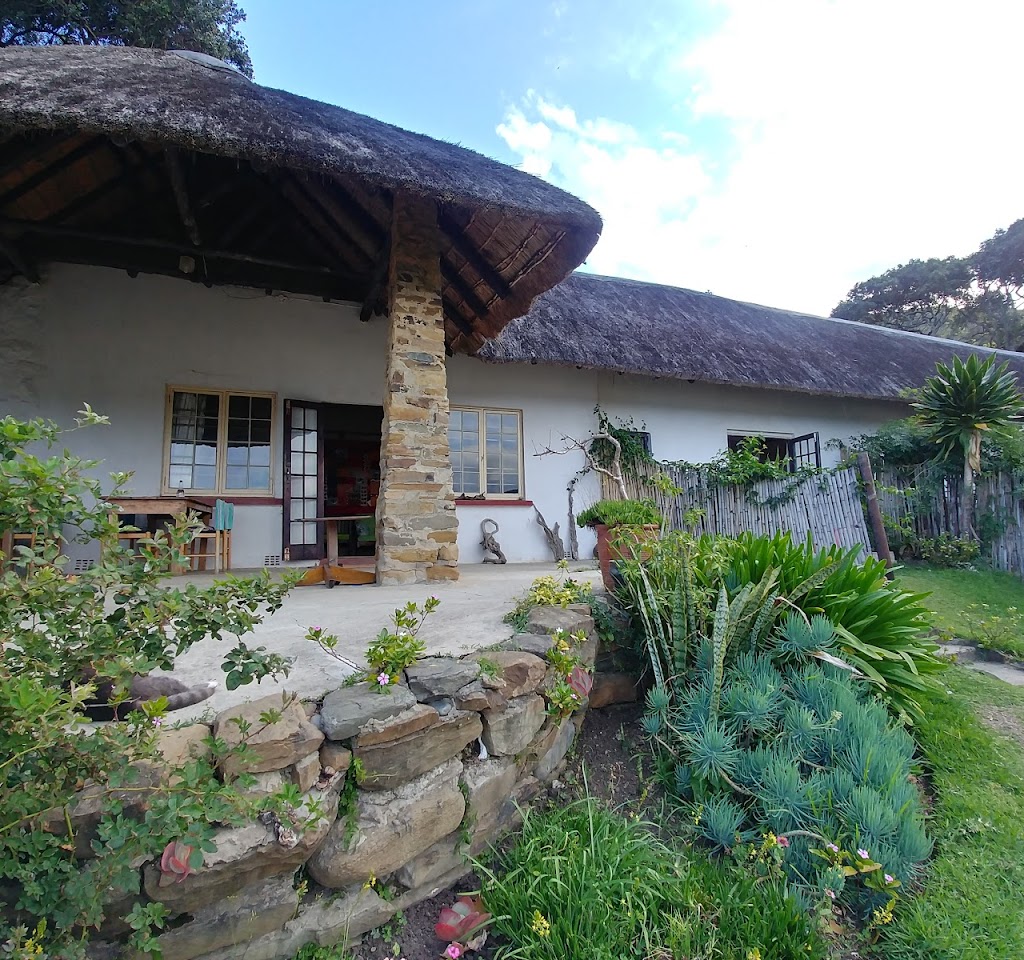
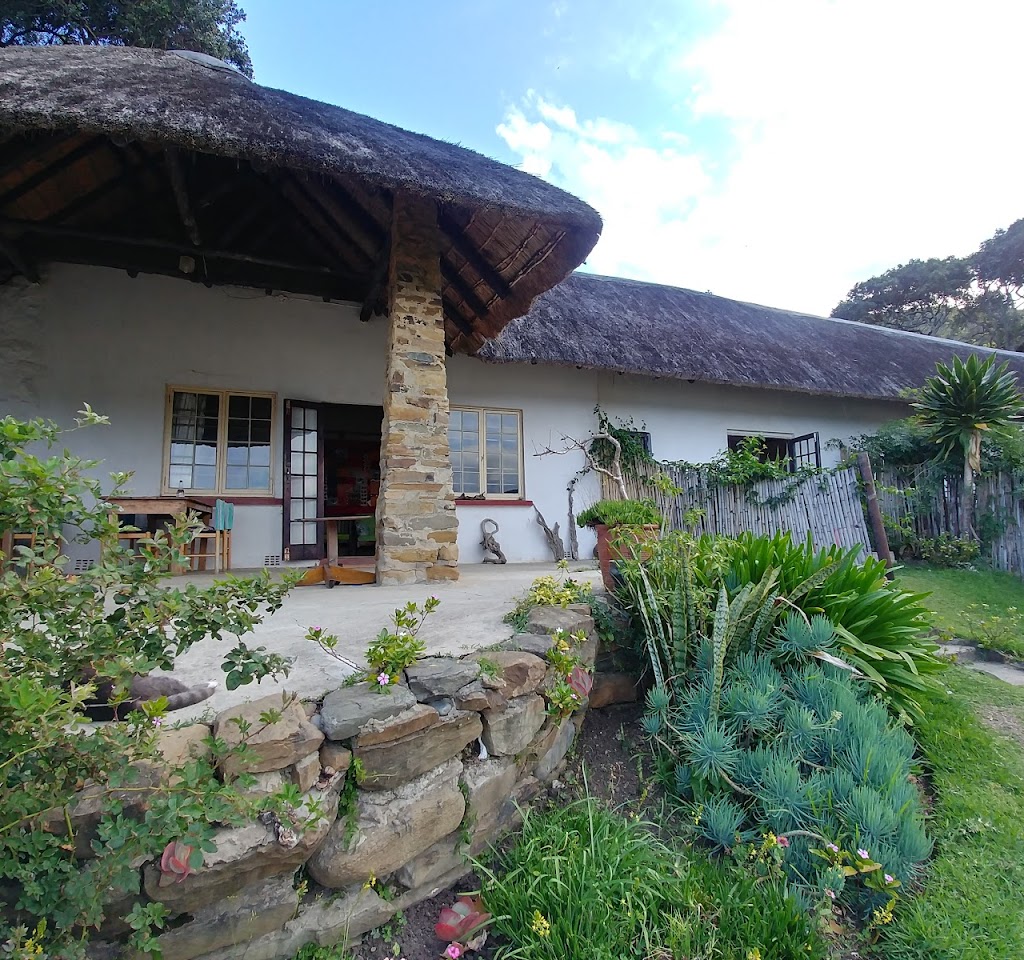
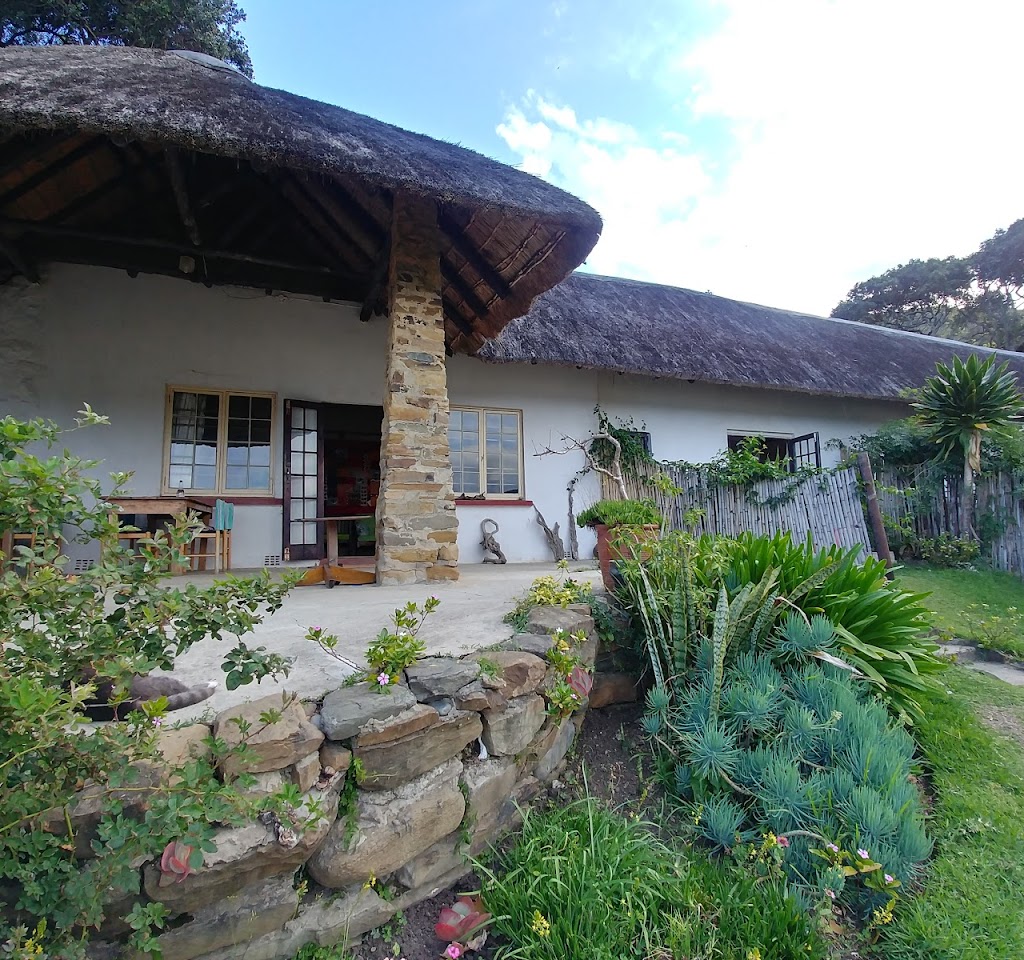
Accommodation highlight: The Lodge on The Beach. A lodge with a coastline‑friendly setting offers the quintessential Wild Coast experience, with access to beach views and carving out time for nature walks and relaxed evenings. For further information, prospective guests can explore the property's official site at the provided link. The lodge typically emphasises comfort, natural materials, and a welcoming atmosphere that suits couples, families, and solo travellers alike.
- Plan your stay around daylight hours for outdoor activities
- Confirm transport arrangements in advance, especially if you are visiting during peak season
- Ask your host about local tips for beaches, trails and dining options
- Pack light layers, a sun hat, and a waterproof layer for changeable coastal weather
Practical tips for a smooth visit. Do not underestimate the value of local knowledge: your accommodation’s staff can be excellent sources of up‑to‑date information about weather, beach conditions, and the best times to visit viewpoints. Keep valuables secure and choose accommodation with clear safeguarding policies. If you intend to travel between villages or along the coast, verify road conditions and travel times, particularly after heavy rainfall when roads may be affected. Finally, remember to respect the environment and the local communities by following responsible tourism practices and supporting locally owned businesses where possible.