Port St Johns: Accommodation, attractions, and practical planning for your visit
Port St Johns sits on the wild eastern frontier of the Eastern Cape, where rivers meet the sea and evergreen coastal forests meet dramatic cliffs. It’s a place for slow travel, with a human scale that rewards hikers, sun-seekers, and lovers of unspoilt scenery. When planning a stay, it helps to think about which area you prefer—whether you want quiet bays and beach access, closer proximity to the town’s restaurants and shops, or easier access to nature reserves and coastal trails.
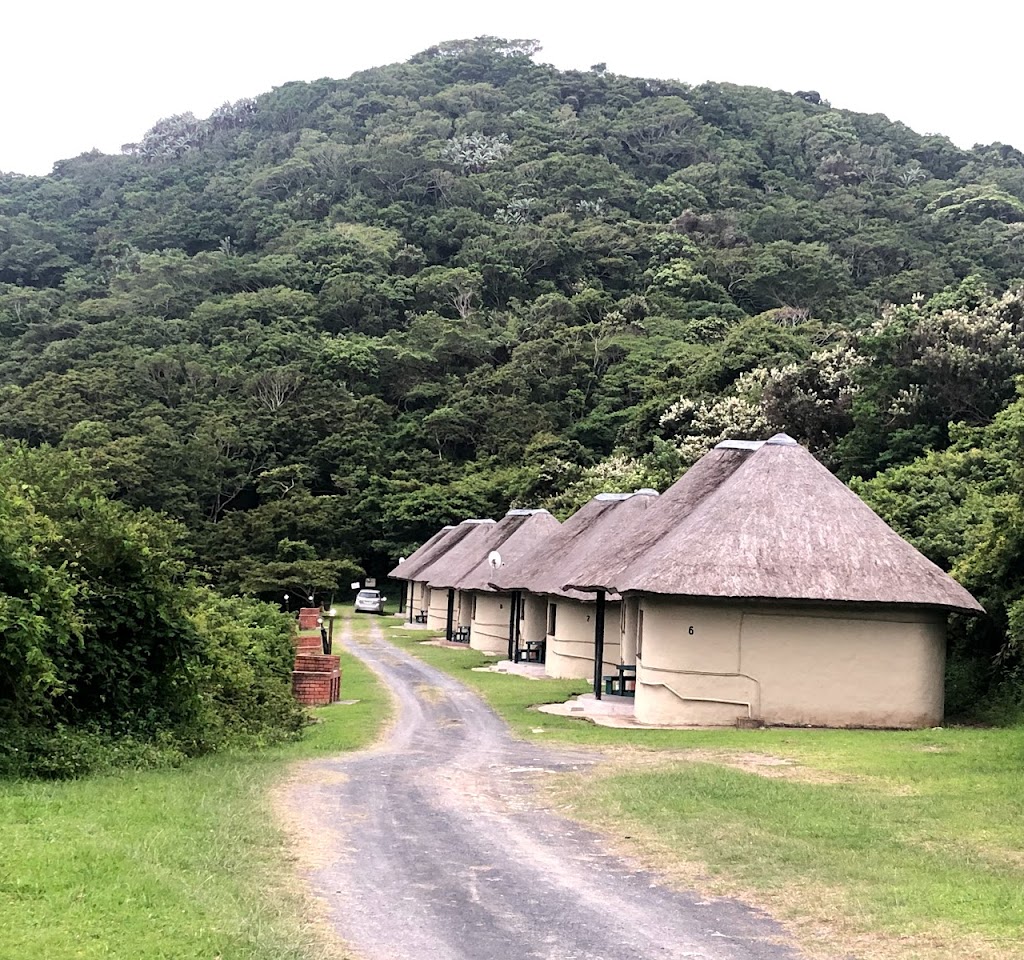
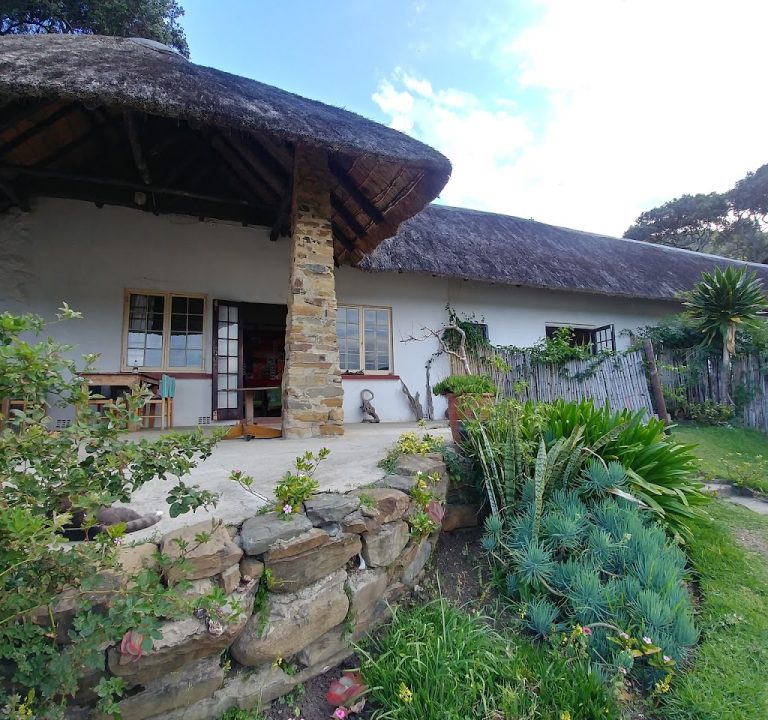
In Port St Johns there are a variety of accommodation options to match different itineraries and budgets. Self-catering chalets and guesthouses offer flexible stays for families, couples, and solo travellers who want to come and go as they please. Within the Silaka Nature Reserve precinct, for example, self-catering chalets provide the convenience of staying near a protected coastline while keeping the comforts of a compact kitchen, living space, and private balcony or veranda. For guests seeking a more rustic or intimate experience, nature-friendly lodges and small hotels tucked into the town or along the coast provide character and a sense of place without sacrificing comfort. When you book, look for clear details on what is included, and whether housekeeping, linen, and basic kitchenware are provided.
What to look for when booking
- Location and access: Consider your preferred base—the river mouth and main beach areas are ideal for easy strolls and sea swims, while quieter nooks along the coast are perfect for sunset walks.
- Facilities: If you plan to cook, check for a well-equipped kitchen or kitchenette, as well as refrigeration and cooking basics. If you prefer a pool or shaded outdoor spaces, confirm availability, as some properties are more suited to nature immersion than spa-style comfort.
- Ventilation and indoor comfort: Port St Johns can be humid in summer and mild in winter. Look for properties with good airflow, ceiling fans, or air conditioning if heat is a concern.
- Transport and access: Many guests rely on a combination of rental cars and local shuttles. Some properties offer local advice or transfer options; if you’re travelling without a vehicle, verify accessibility to the town centre and beach routes.
- Safety and access to nature: If you’re visiting reserves or long beaches, ask about safe access, parking, and any seasonal restrictions.
Typical amenities and what to expect
- Self-catering facilities: A practical choice for families and longer stays, with basic to well-equipped kitchens, dining spaces, and living areas.
- Outdoor spaces: Balconies, verandas, or garden patios are common, giving guests immediate access to sea breezes and sunrise views.
- Linen and cleaning: Most properties provide linen, towels, and a light level of housekeeping. Confirm the schedule for any additional cleaning services during your stay.
- Entertainment and connectivity: Wi-Fi and streaming options vary; some spots prioritise a disconnected, nature-centric retreat with limited signal, while others offer reliable internet for remote work or planning day trips.
- Accessibility: Not all accommodations in the area are fully accessible; if mobility is a consideration, check description details or contact hosts for information.
Transport and getting around
- Car hire is convenient for exploring the coastline and inland trails at your own pace. Roads may be narrow and winding, so a cautious approach is recommended.
- Local guidance can be invaluable: many hosts offer tips on safe beach access, tidal timings, and the best launch points for boat trips or river activities.
- If you prefer not to drive, plan routes with delivery windows for groceries and consider staying in a central spot with walkable access to beaches and the town’s small amenities.
Best time to visit
- Dry season and shoulder seasons are popular for beach days and wildlife watching, with relative warmth and clearer skies.
- The area can be wet in certain months, but rain often brings lush greens and a different landscape aesthetic. Consider what kind of weather you enjoy for outdoor activities such as hiking, swimming, and birdwatching.
- Sea conditions vary; if you’re keen on longer beach walks or sea kayaking, check local surf and tide reports ahead of your plan.
Attractions and experiences (in general terms)
- Coastal walks and riverine trails offer expansive views, with opportunities to observe seabirds, dolphins, and marine life from safe, designated viewpoints.
- Nature reserves and protected areas provide access to diverse flora and fauna, with guided or self-guided activities that emphasise conservation and responsible tourism.
- Local dining ranges from simple cafés to more developed eateries where you can sample fresh seafood and regional ingredients. Most venues prioritise laid-back, hospitable service and a casual, scenic atmosphere.
- Practical day trips may include boat excursions, snorkelling, or visits to nearby villages and markets. When planning, check seasonal operation times and transport options.
Sample accommodation option: Silaka Nature Reserve – Chalets
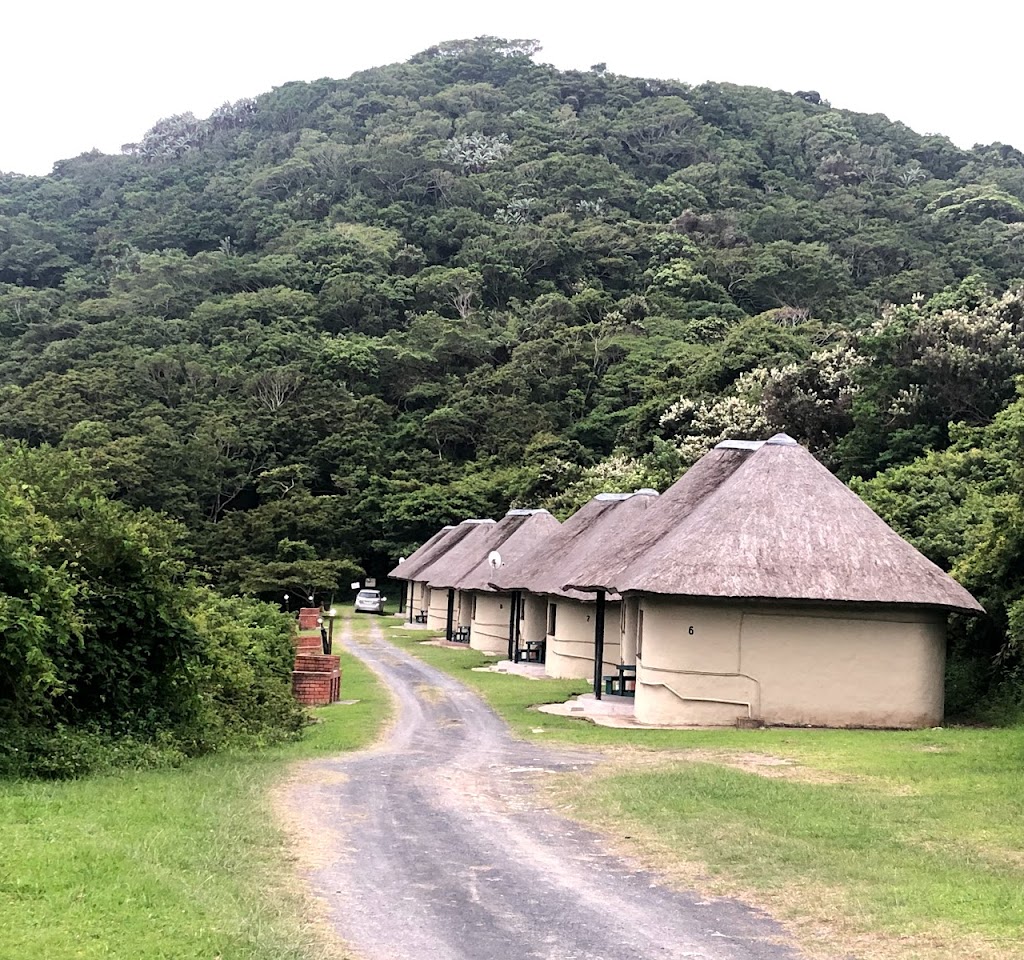
For guests looking to combine a nature-forward stay with self-catering convenience, the Silaka Nature Reserve offers chalets that are close to the reserve’s coastal habitats. This option is well suited to travellers who want straightforward cooking facilities, access to outdoor spaces, and direct immersion in a protected coastal environment. You can explore by foot or light vehicle within the reserve boundaries, enjoying the natural scenery and the potential for quiet, reflective downtime. For booking details and availability, you can visit the project’s site at http://bookonline.ecpta.co.za/.
Practical tips for a smooth stay
- Pack layers for variable coastal weather and bring a light rain layer just in case.
- Pack reef-safe sunscreen and hats for sun exposure along exposed shores.
- Bring reusable water bottles and shopping bags to reduce plastic use on trips to town.
- Respect local wildlife: observe from a distance and avoid feeding animals.
- Plan a mix of days with light activities and time for simply enjoying the coast, meals, and a slower pace.
With its rugged beauty and laid-back charm, Port St Johns rewards travellers who balance outdoor adventures with comfortable, well-planned stays. Whether you opt for a self-catering chalet near the reserve, a cosy guesthouse in town, or a lodge perched above dramatic cliffs, the area invites you to slow down, explore responsibly, and create memorable moments along South Africa’s incomparable eastern coastline.