Plettenberg Bay: where to stay, what to do and how to plan a great visit
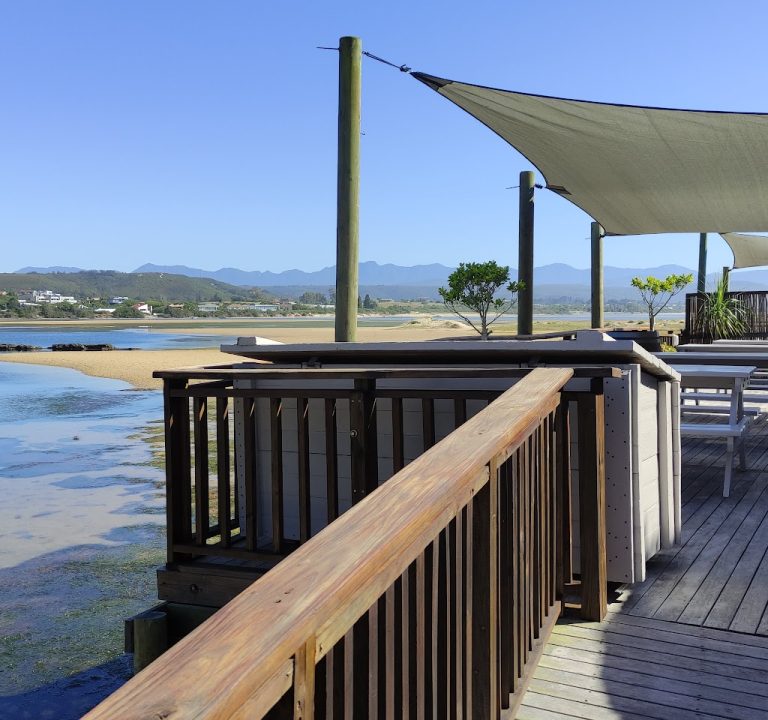
Plettenberg Bay, often simply called Plett, is a laid‑back coastal town set along the Eastern Cape’s Garden Route. Its location between the Bloukrans Pass and the Keurbooms River makes it a natural base for exploring pristine beaches, forested reserves and easy day trips to nearby towns. When planning a stay, think about what pace you want, how long you can stay, and how you’ll move around to make the most of everything on offer.
Accommodation in Plettenberg Bay ranges from boutique B&Bs and guesthouses to self‑catering cottages and larger lodges. Each area has its own character and advantages. If you’d like direct beach access and sunset walks, look for places near the Sea Facing or Central beachfront areas. For a more tranquil, nature‑led stay, consider pockets closer to the Robberg Peninsula, where forest trails and marine habitats are a short hop away. Family groups and longer stays often prefer self‑catering options with cooking facilities and private outdoor spaces. For couples seeking privacy, intimate guesthouses with dedicated staff or hosts can offer a personalised touch and local tips.
When choosing accommodation, consider the following typical amenities and features: secure parking or easy access to parking, reliable Wi‑Fi, in‑room heating or cooling for variable weather, and good laundry facilities for longer trips. A complimentary breakfast or access to a shared kitchen can be convenient, while on‑site features such as a pool, outdoor seating, or shaded braai areas contribute to a relaxed stay. If you travel with a vehicle, check how walkable the area is to restaurants and beaches, and whether the property offers easy access to nearby parking. Some properties also provide guided walks, bike hire, or arrangements for local activities, which can save time and help you discover the region more thoroughly.
Practical planning tips: Plettenberg Bay enjoys a moderate climate, with warm summers and mild winters. The best time to visit depends on what you want to do. Summer (December to February) brings long days and beach time, while autumn and spring (March to May and September to November) offer pleasant temperatures for hiking and whale watching further along the coast. Winter (June to August) can be cooler and wetter, but the scenery is lush and there are fewer crowds. Transport options include car hire, which is useful for independent exploration along the coast and into the nearby forests. Public transport is more limited, so a vehicle generally makes it easier to reach beaches, viewpoints and day trips. If you prefer not to drive, look for accommodation with dedicated advice on arranging activities, such as guided walks, nature reserves, or boat trips.
Areas to consider when booking include:
- Central Plettenberg Bay and the Main Beach area, offering easy access to shops, cafés and coastal walks.
- Robberg Peninsula and surrounding neighbourhoods, ideal for nature lovers and hikers seeking dramatic sea views and wildlife sightings.
- Sea Street and neighbouring bays, which can provide a more relaxed ambience and quieter beach‑side stays.
- Goose Valley and inland routes, good for families seeking space and access to golf courses and forest trails.
- Keurbooms and riverfront zones, often preferred for their tranquil settings and access to boat trips and eco‑terries.
Want a flavour of the local scene without committing to a big itinerary? Plettenberg Bay offers a range of visitor experiences that suit various interests. Outdoor lovers can enjoy coastal walks, beachside picnics, and forest trails. The area’s coastline is famous for birdlife and marine life viewing, while forest reserves provide quieter paths for those who enjoy nature at a slower pace. For food lovers, the town’s dining scene emphasises quality local ingredients, seasonal menus, and a mix of casual cafés and refined restaurants. While exact names and prices can change, you can expect menus that highlight fresh seafood, locally produced produce, and dishes influenced by South Africa’s diverse culinary heritage. If you prefer a guided approach, many accommodation providers can arrange day trips to viewpoints, boat trips along the coast, or visits to nearby nature reserves and rivers.
Practical tips for a smoother stay include planning day trips in advance during peak seasons so you can secure preferred times, especially for popular viewpoints and guided activities. Bring appropriate footwear for coastal walks and forest trails, and apply reef‑safe sunscreen if you’ll be on or near the water. Have a small amount of local currency for markets or informal stalls, though many venues now accept cards or mobile payments. For stays that span several days, choose accommodation with flexible cancellation policies where possible, and check whether the property offers housekeeping or linen services that suit the length of your visit.
For inspiration and planning ideas, you may wish to explore Plettenberg Bay’s official visitor resources or local booking platforms. These can provide refreshed information on what to see, where to eat, and how to tailor your trip to your interests. If you’re researching places to stay that reflect the town’s character and convenient access to beaches and nature, consider a mix of coastal stays and hillside retreats to balance leisure with exploration. For a taste of the broader region, look at nearby coastal towns and forested areas to plan a multi‑stop adventure along the Garden Route. More information can be found at the official tourism pages and the town’s visitor guides, which offer updated listings and practical travel tips.
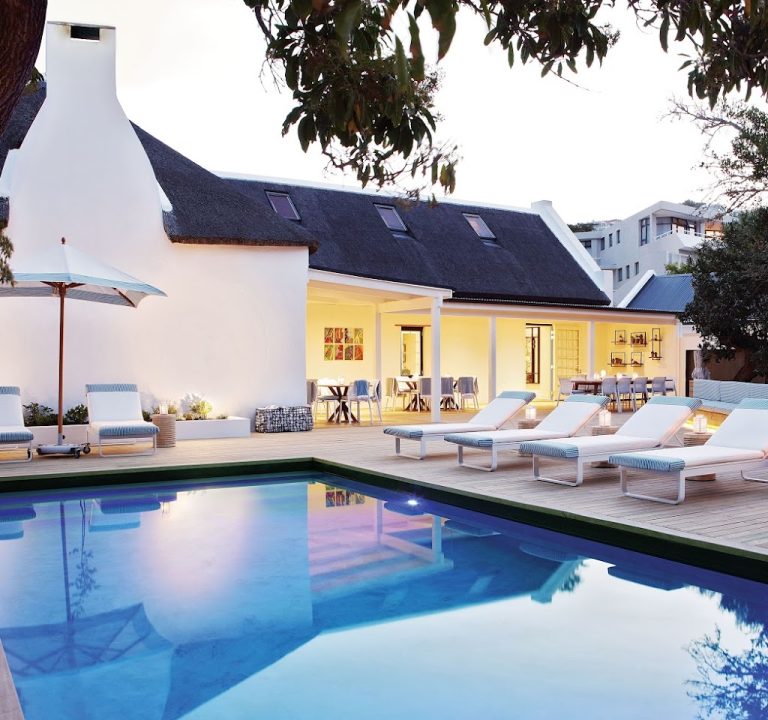
One notable example of accommodation style you might encounter is a welcoming guesthouse or boutique lodge featuring thoughtful rooms, local décor and guest‑oriented service. Such stays can provide a comfortable base from which to explore Plettenberg Bay’s beaches, nature reserves, and nearby towns. For those seeking a distinctly tranquil option, look for properties with private outdoor spaces and easy access to garden or coastal viewpoints. A stay in Plettenberg Bay can be a balanced blend of beach time, nature experiences, good food and the chance to unwind in a scenic setting. For further ideas and planning resources, visit the town’s tourism site and related accommodation directories.