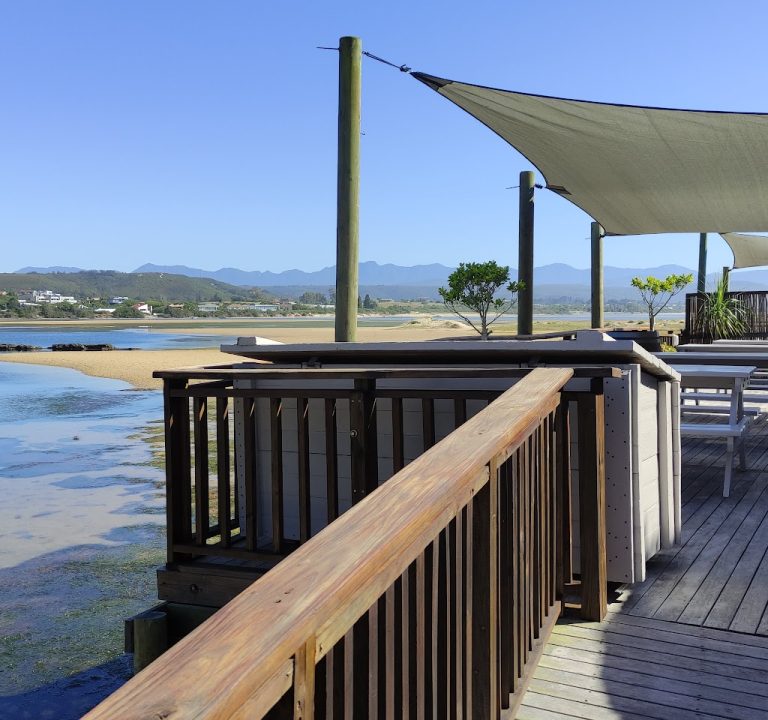
Accommodation and Experiences in Plettenberg Bay: Where to Stay and What to Do
Plettenberg Bay, on the famed Garden Route of the Western Cape, blends stunning coastline with laid‑back coastal town charm. Whether you are seeking a tranquil guest house tucked behind ancient milkwood trees, a stylish lodge overlooking the bay, or a family‑friendly stay within easy reach of beaches and trails, the town delivers a welcoming base for exploring this remarkable region. Planning ahead helps you pick an area and a stay that suits your pace, whether you’re after lazy days on the sand, wildlife encounters, or easy access to adventure activities.
When choosing accommodation, consider the neighbourhood and the style of the property. The central coastal strip offers proximity to beaches, shops, and eateries, while quieter pockets inland provide a more residential feel with easy access to nature trails. If you prioritise sea views and close beach access, look for guest houses or boutique hotels perched along the shoreline or within a short stroll of the sand. For families or those seeking space and privacy, self‑catering options or larger guest houses on the fringes of town can be ideal. Always check parking arrangements, especially during peak seasons, and confirm whether the property offers essential amenities such as reliable Wi‑Fi, private en suites, and secure access.
For a refined example of Plettenberg Bay hospitality, consider staying at Milkwood Manor Guest House. This guest house, situated in a tranquil area, highlights the appeal of thoughtfully designed rooms, warm hosts, and convenient access to nature without sacrificing comfort. Visitors often appreciate properties that balance character with modern comforts, and Milkwood Manor’s location provides a convenient base for exploring both beaches and forested trails. You can find more about the property on its official website: Milkwood Manor Guest House.
Typical amenities to look for include private or en‑suite bathrooms, air conditioning or ceiling fans for warmer months, on‑site parking, and options for breakfast or light meals. A guest house or lodge with outdoor spaces—patios, balconies, or a garden—adds a pleasant touch for morning coffee or evening sundowners. If you’re visiting in peak season, ask about flexible check‑in/check‑out times and policies regarding peak‑period bookings to avoid last‑minute stress. Accessibility can be important for some travellers, so check steps, door widths, and lift options if needed.
Getting around Plettenberg Bay is easiest with a car. The area is generously spread out, and many attractions are a short drive apart. Public transport is limited, so most visitors rely on private transfers or rental vehicles. If you plan to explore the wider Garden Route, a car provides the freedom to slow down and linger at viewpoints, beaches, and coastal trails. For day trips, consider pre‑booked tours or guided hikes that include transport to and from your accommodation, which can take the guesswork out of logistics.
The best time to visit Plettenberg Bay depends on what you’re seeking. Summer (roughly November to February) brings warm days ideal for beach activities and water‑based adventures. Autumn offers quieter beaches and excellent birdlife around nature reserves. Winter (June to August) remains mild by international standards, with cooler evenings and the chance of scenic coastal fog, yet still comfortable for outdoor exploration in daylight. Spring flowers add colour to trails in the surrounding nature reserves. Remember sunscreen, a wide‑brimmed hat, a light jacket for breezy evenings, and a waterproof layer if you plan outdoor activities year‑round.
When planning your itinerary, balance relaxation with discovery. Plettenberg Bay is a gateway to notable natural experiences and wildlife encounters. You may choose to begin with a beach day at the main sands, followed by a coastal walk along the headland or a hike in the adjacent nature reserves. For wildlife lovers, marine safaris or guided forest walks offer rewarding insights into the region’s biodiversity. Family travellers often enjoy cycling routes, safe playgrounds, and calm beaches with lifeguard supervision at certain times of the year. For a broader taste of the area, a day trip to neighbouring towns along the Garden Route can be a rewarding waypoint on your journey.
Dining options in Plettenberg Bay range from laid‑back cafés to contemporary restaurants that emphasise fresh, regional ingredients. Many venues offer sea‑facing terraces or garden settings, creating a relaxed atmosphere suitable for both casual lunches and memorable dinners. If you prefer to culture‑combine your stay, look for eateries that pair with local producers or offer seasonal menus. Booking ahead during peak periods helps ensure you secure a table at popular spots, and some establishments may post menus or events on their websites.
Practical tips for a smoother stay:
- Book early for peak seasons and school holidays to secure preferred properties and locations.
- Consider a stay near the beach for easy access to morning swims, sunset walks, and coffee shops with sea views.
- Check parking arrangements and whether a property offers transport recommendations or local taxi links.
- Pack layers for variable coastal weather and a light waterproof layer for outdoor outings.
- Plan a balance of beach days, nature hikes, and restaurant visits to avoid fatigue and to keep costs predictable.
Whether your priority is a quiet coastal retreat, a stylish home base for family adventures, or a convenient location for day trips along the Garden Route, Plettenberg Bay offers options to match every preference. With thoughtful planning, your stay can combine restful accommodation, access to pristine landscapes, and the chance to savour the region’s relaxed hospitality and natural beauty. For more information on specific properties and booking options, explore the locality’s various guest houses and boutique stays, and consider linking your choice to the kind of experiences you’d like to weave into your Plettenberg Bay visit.