Marloth Park: accommodation, experiences and practical planning for a memorable stay
Marloth Park in Mpumalanga offers a distinctive blend of self-catering retreats, wildlife encounters and easy access to the iconic landscapes of the Lowveld. Staying in Marloth Park tends to revolve around a relaxed, nature-forward rhythm: mornings spent on the veranda listening to birds and distant hippos, days exploring nearby reserves, and evenings under star-lit skies. The area is well suited to families, couples and groups looking for flexible stays, self-catering options and a chance to observe wildlife from the comfort of a private dwelling.
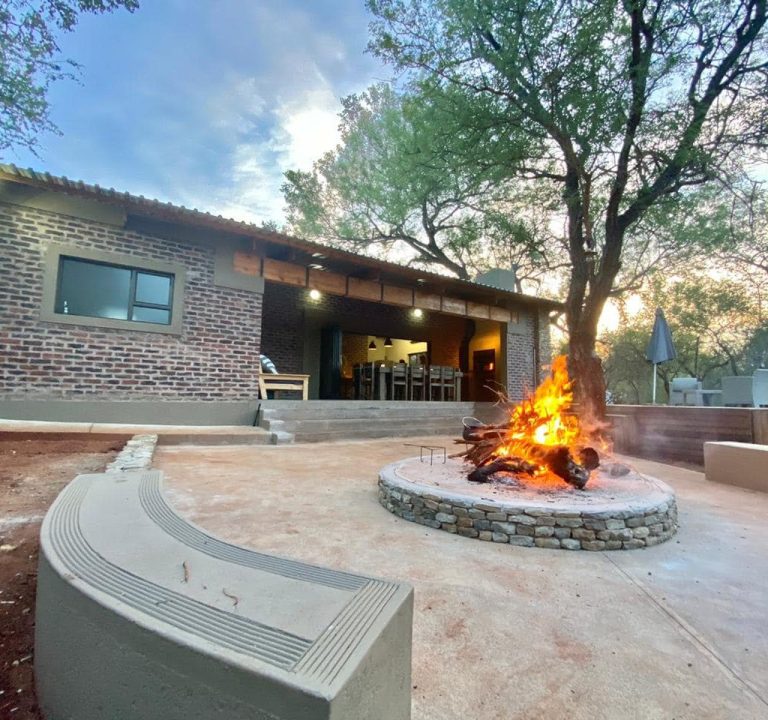
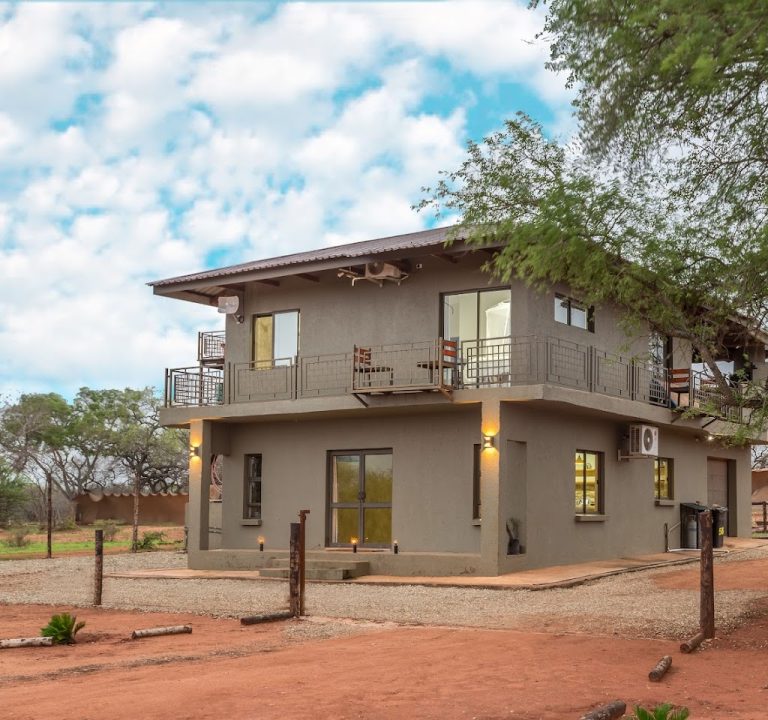
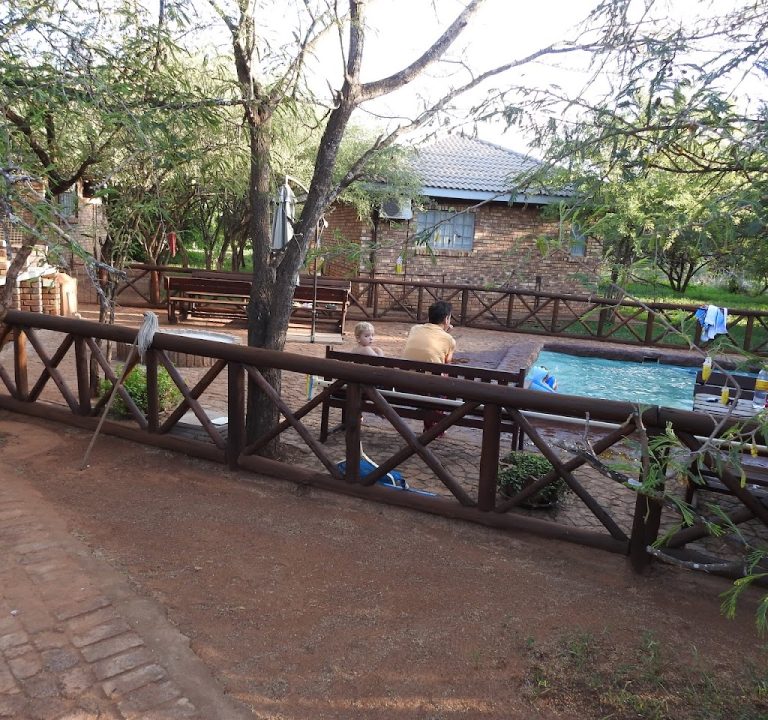
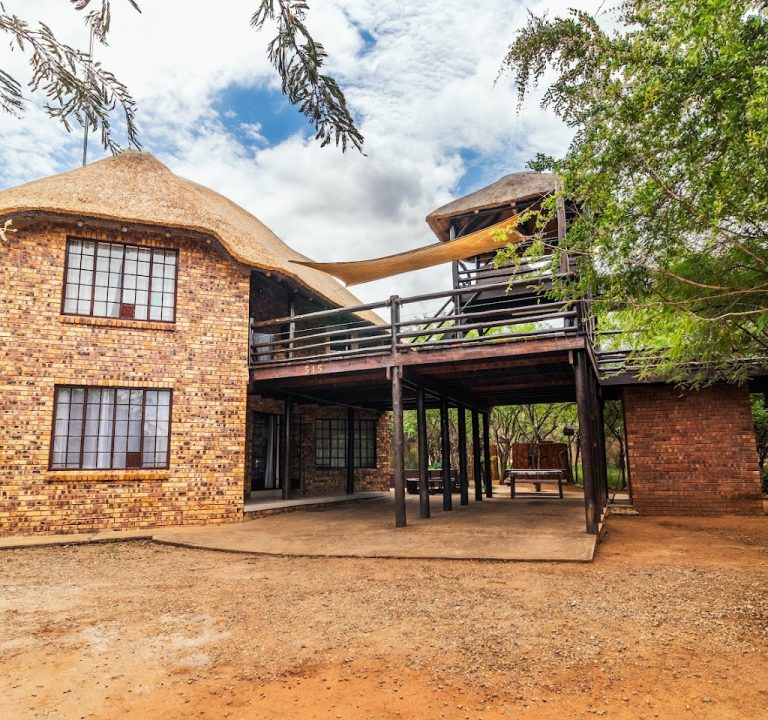
Accommodation in Marloth Park runs from small self-catering houses and lodges to larger guesthouses situated along the tree-lined streets that thread through the reserve. The Hedgehog@ Marloth Park is an example of the self-catering style that many visitors favour, offering a cosy base from which to explore the region. When selecting a property, consider how the space is configured for your party, whether there are outdoor living spaces, and how private the wildlife-friendly surroundings are. Proximity to entry gates or preferred viewing areas can also influence daily planning.
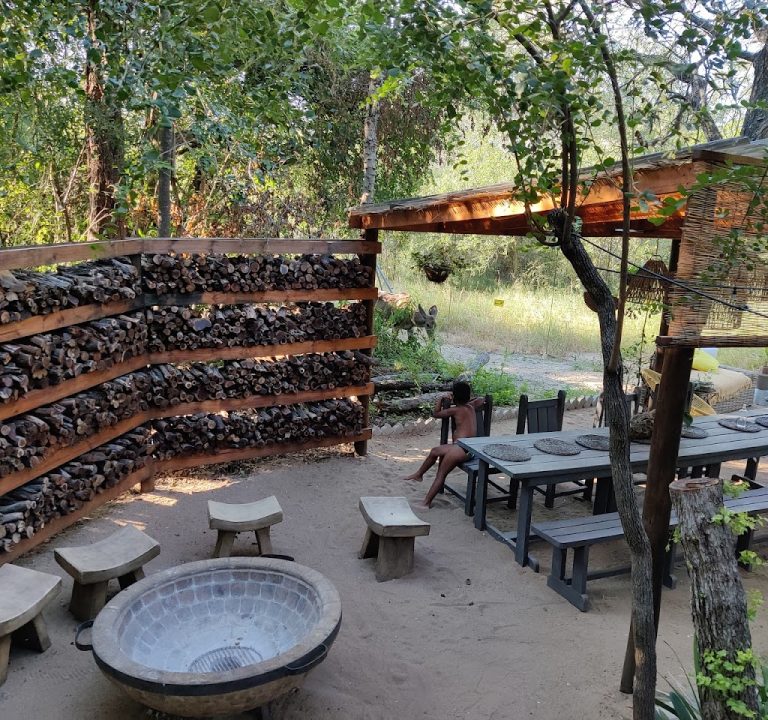
Typical amenities you might encounter include fully equipped kitchens, comfortable lounges, air-conditioning or ceiling fans, outdoor braai (barbecue) facilities, secure parking, and reliable Wi‑Fi. Some homes offer game-reading capabilities, guided walkbooks for self-guided safaris, or arranged vehicle access to nearby wildlife corridors. If you travel with little ones or have specific accessibility needs, check the property description for step-free access, child-safety features, and crib or high chair availability.
When it comes to transport and getting around, Marloth Park is best explored with a hire car. The reserve itself is laid out along a network of roads that connect to Kruger National Park’s southern approaches. You’ll typically rely on your own vehicle to reach entry gates, shop for groceries, and access nearby picnic spots or viewpoints. Some properties provide information on local tour operators or private guides; if that is important to you, enquire about recommendations before arrival. Remember to plan for wildlife awareness: drive slowly, keep windows closed in certain areas, and never approach or feed animals.
The best time to visit Marloth Park aligns with your wildlife goals and preferred climate. The region is warm to hot in the summer, with afternoon thunderstorms possible, while winter brings cooler evenings and pleasant daytime temperatures. The dry season often offers clearer animal sightings as animals gather around water sources. For visitors concerned about malaria, it is prudent to consult healthcare guidance ahead of travel and consider preventive measures as advised by medical professionals.
Planning practical steps for a comfortable stay can help you maximise your Marloth Park experience. Pack light, breathable clothing for daytime, a warm layer for evenings, a sturdy pair of walking shoes, and a camera capable of capturing both wide landscapes and wildlife moments. Safety is a practical consideration in any safari-adjacent destination: secure your valuables, use the safe provided by your accommodation, and follow staff or local guidance regarding restricted areas and safe viewing zones.
If you are curious about dining options during your stay, Marloth Park focuses on informal eateries and nearby venues within easy reach of self-catering properties. Guest-friendly restaurants and casual cafés in the broader area tend to emphasise hearty, South African favourites and light meals for walkers and explorers. When planning meals, you can rely on in-house cooking or stock up at nearby shops and markets. For evenings, many visitors enjoy cooking on outdoor braais, sharing meals with companions, and exchanging tips on wildlife sightings from fellow guests.
Attractions and activities to consider while staying in Marloth Park include guided bush experiences, self-guided wildlife watching from your property, and scenic drives to nearby wildlife reserves. The landscape is defined by riverine habitats, broad skies, and a peaceful atmosphere that suits relaxed days of nature appreciation. In general terms, expect opportunities for early-morning safaris, sunset viewing, and quiet walks along nature-friendly trails. For more structured itineraries, you can arrange day trips to major reserves, but many guests cherish the value of simply staying put and enjoying the immediate surroundings.
- Practical tips for a smooth stay:
- Confirm check-in and check-out times, and clarify any self-catering arrangements (including pantry basics).
- Check for mosquito nets, repellents, and malaria guidance suited to the season of your visit.
- Ensure you have a reliable vehicle and sufficient fuel for daily excursions.
- Bring plug adaptors if your devices require them, as electrical outlets can vary by country.
- Respect wildlife: observe from a distance, never feed animals, and follow the property rules and park guidelines.
- Leave space in your itinerary for flexible days; Marloth Park rewards slower-paced exploration and spontaneous wildlife encounters.
For more information on self-catering options, including The Hedgehog@ Marloth Park, you can visit the property page or social media presence to learn about availability, accommodation layout and guest experiences. Links to official pages or listings provide practical details such as photos, floor plans, and booking options, helping you compare spaces and choose the best fit for your stay.
In summary, Marloth Park offers a rewarding mix of comfortable self-catering accommodation, wildlife-rich surroundings, and practical planning tips that suit a range of visitors. With careful preparation, your Marloth Park stay can unfold as a relaxed, nature-forward retreat that blends cosy home comforts with the thrill of observing Africa’s remarkable wildlife in its natural habitat.