Accommodation and Experiences in Marloth Park, Mpumalanga
Marloth Park sits on the edge of the Kruger National Park ecosystem, where wildlife roams freely and the plains meet riverine bushveld. It is a popular base for travellers seeking a relaxed, car-friendly stay with easy access to game viewing and outdoor activities. The area is characterised by timber-and-stone lodges, luxurious self-catering houses, and intimate guesthouses that blend with the natural surroundings. Planning a stay here means balancing peaceful bush escapes with practical logistics for a comfortable, mimnimal-stress visit.
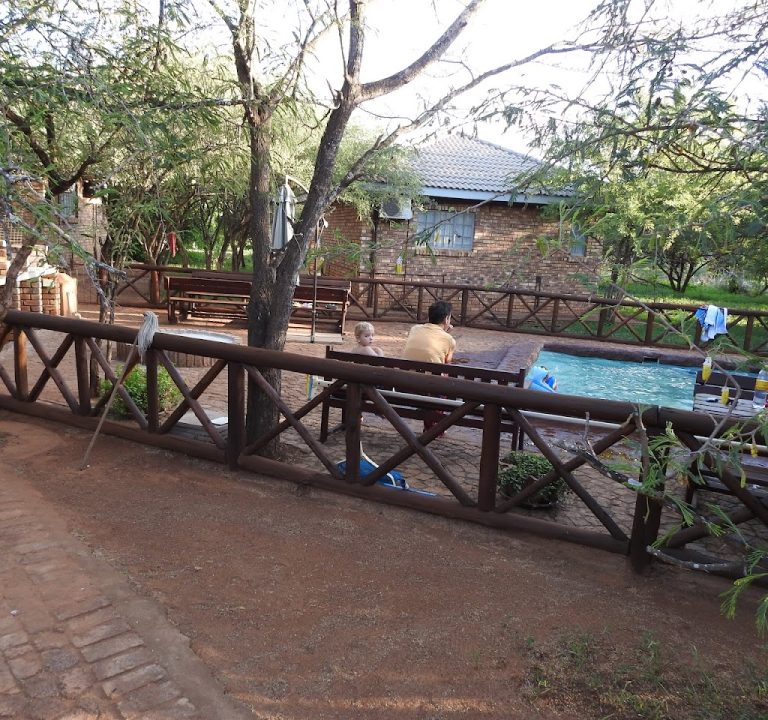
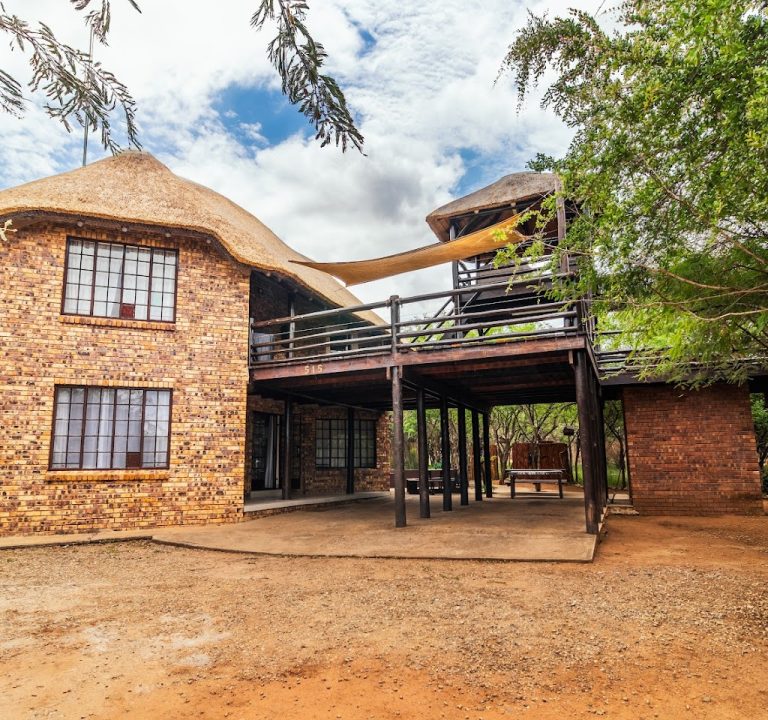
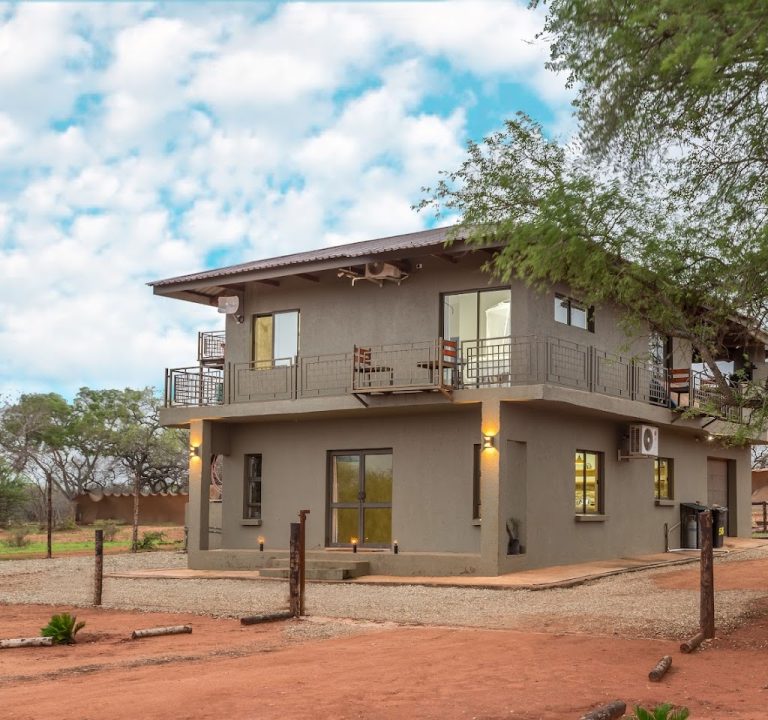
Accommodation options in Marloth Park are typically self-catering or fully serviced lodges, many with private decks, braai (barbecue) facilities, and pools. You’ll find properties that cater to families, groups, and couples, ranging from cosy sleep-lodges to larger game-viewing retreats. A common feature is a strong emphasis on outdoor living: wide verandas, outdoor dining, and air-conditioned or ceiling-fan bedrooms to cope with warm evenings. When booking, look for clear photos of the exterior and interior spaces, details about verandah access for wildlife viewing, and information about parking or vehicle requirements for the property and the surrounding roads.
Areas to consider within Marloth Park relate to proximity to key wildlife vantage points and gates. Some lodges cluster near the main access roads and river crossings, which can offer easier vehicle mobility and more reliable wildlife sightings. Others are tucked away in quieter pockets, delivering greater seclusion and a stronger sense of immersion. If you prefer vehicle-friendly strolls and minimal stair climbing, check the layout of the property and whether there are multiple entry points that suit preferred driving routes around the reserve.
Typical amenities you’ll encounter include well-equipped kitchens or kitchenettes, outdoor braai areas, and comfortable lounges. Many properties offer blackout curtains, laundry facilities, and Wi‑Fi, though connectivity can vary by location and weather. Pools are common in larger lodges, while smaller guesthouses may offer shared living spaces or a friendly common area. Wildlife-friendly features—such as secure balconies, raised decks, and safe enclosures—are particularly valued for easy wildlife viewing from your accommodation. When booking, confirm the inclusions: are daily cleaning services provided, is there on-site staff, and what the cancellation terms are in case plans change?
Transport within Marloth Park is naturally vehicle-centric. The area has a network of tarred and gravel roads that are best navigated with a 4x4 or a conventional SUV, particularly after rain. Private transfers from regional airports can be arranged via guest hosts or tour operators, and some properties offer arranging services for guided game drives or night drives in nearby conservancies. If you are self-driving, map out a route that includes a return point to your lodge, as road signs can be sparse and reception at some locations relies on limited mobile coverage. When planning trips to the Kruger’s gates, factor in travel times, gate opening hours, and the need for a valid park permit where you intend to enter a formal reserve area.
Best time to visit Marloth Park typically aligns with South Africa’s winter dry season (roughly May to September), when wildlife concentrates around water sources and visibility is excellent. Day temperatures are cooler, and evenings can be crisp, so a warm layer for dusk drives is handy. The wetter months bring lusher scenery and more insect activity but can reduce road accessibility after heavy storms. Birdwatchers may especially enjoy the shoulder months when migratory birds are present. Regardless of the season, plan for early-morning and late-afternoon wildlife viewing sessions, when animals are most active and photographic opportunities are prime.
Practical tips for a smooth stay:
- Book early, especially for peak seasons and long weekends, and confirm the exact check‑in and check‑out times to align with game drives or nature walks.
- Ask about wildlife safety guidelines on the property and in any communal areas, particularly around children and pets.
- Clarify what meals, if any, are included, and whether there are on-site facilities for self-catering or dining out in nearby towns.
- Plan for a few flexible days to accommodate guided outings, which are widely offered through operators in Marloth Park and the Kruger region.
- Bring adaptable gear for different weather—sun protection, a light rain jacket, and comfortable walking shoes for short bush walks.
Nearby attractions and experiences are typically nature-based and well suited to independent travellers and families. Expect game-viewing opportunities from the comfort of a lodge deck, guided safari drives in private or near‑by reserves, and scenic riverfront strolls that showcase birds, antelope, and other wildlife. Dining options in the wider region lean toward hearty, outdoorsy cuisine—grill-based meals, freshly prepared vegetables, and rustic dishes that reflect South Africa’s bushveld traditions. After a day of exploring, many visitors unwind with a sunset drink on the veranda, followed by a simple, satisfying dinner under the stars.
For further planning and practical information, you can explore general resources from conservation and tourism organisations, or visit official park portals to understand gate rules, entry permissions, and seasonal advisories. Marloth Park offers a relaxed base for a bush-and-beach-style holiday, where comfortable lodges, wildlife sightings, and serene landscapes come together to create a memorable South African escape. For more inspiration and ideas on where to stay, you can browse regional lodging portfolios and reputable travel sites that specialise in Mpumalanga’s wildlife destinations.